Hypertension in Dogs: Understanding and Managing High Blood Pressure
For general pet-health questions, the AVMA pet-owner resources are a reliable starting point, and your veterinarian should guide individual decisions.
Hypertension, or high blood pressure, is a condition that is increasingly recognized in dogs, mirroring a similar concern in human health. This condition occurs when the force of the blood against the walls uriof the arteries is too high, which can lead to significant health problems if left untreated. Understanding hypertension in dogs is crucial for pet owners and veterinarians alike to ensure the well-being of these beloved animals.
Understanding Hypertension in Dogs
Hypertension in dogs is typically classified into two categories: primary (essential) hypertension and secondary hypertension. Primary hypertension is rare and occurs without an identifiable cause. In contrast, secondary hypertension, which is more common in dogs, is a result of an underlying disease or condition, such as kidney disease, hormonal imbalances (like Cushing’s disease or diabetes), or heart disease.
Causes of Hypertension
The majority of hypertension cases in dogs are secondary, stemming from other health issues that increase blood pressure as a side effect. These can include:
- Kidney Disease: Chronic kidney disease can lead to elevated blood pressure due to the kidneys’ role in filtering and regulating blood pressure.
- Endocrine Disorders: Diseases such as Cushing’s disease (hyperadrenocorticism) or diabetes mellitus can disrupt normal hormone levels, leading to increased blood pressure.
- Heart Disease: Conditions that affect the heart’s ability to pump blood efficiently can result in increased arterial pressure.
Symptoms of Hypertension
The signs of hypertension in dogs can be subtle and easily overlooked. Symptoms may include:
- Sudden blindness due to retinal detachment or damage
- Dilated pupils
- Blood in the urine
- Protein in the urine
- Nosebleeds
- Disorientation or seizures in severe cases
Early detection is key to managing hypertension and minimizing its impact on your dog’s health.
Diagnosing Hypertension in Dogs
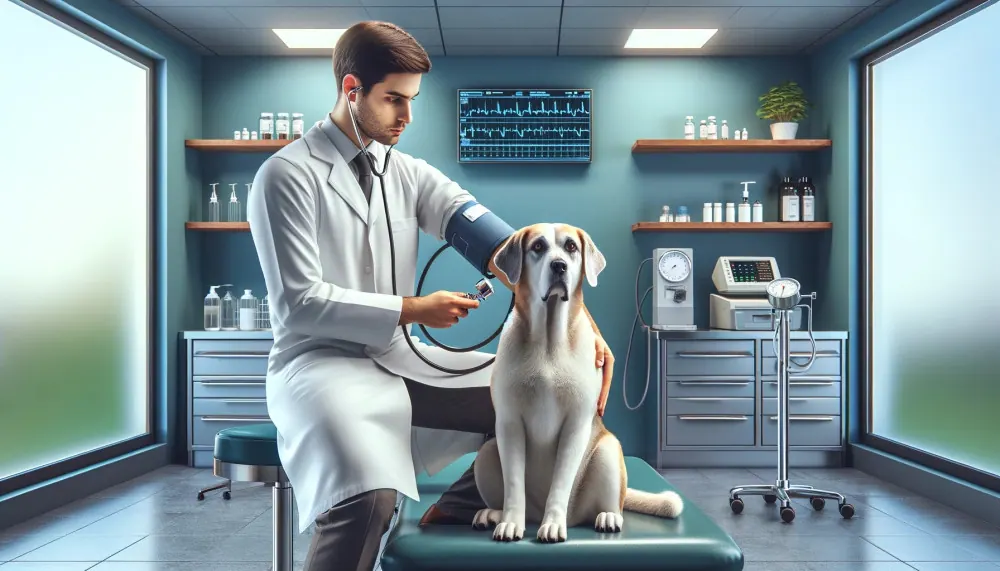
Diagnosis of hypertension involves measuring the blood pressure, which is done using a non-invasive method similar to that used in humans. This measurement should be taken under calm conditions to ensure accuracy. A series of measurements may be required to confirm hypertension, as dogs can experience “white coat syndrome,” where their blood pressure rises due to stress in a veterinary clinic.
Treatment and Management
Treatment of hypertension in dogs depends on the underlying cause. For secondary hypertension, managing the primary disease is crucial to lowering blood pressure. In cases where an underlying cause cannot be identified or in the rare occurrence of primary hypertension, medication may be prescribed to control the blood pressure directly. Common medications include ACE inhibitors, beta-blockers, and calcium channel blockers.
In addition to medication, lifestyle changes can also help manage hypertension. These may include a low-sodium diet, weight management, and regular exercise. Regular monitoring of blood pressure is essential to ensure the effectiveness of the treatment plan and to adjust as necessary.
The Importance of Regular Veterinary Care
Regular check-ups with a veterinarian are crucial for early detection and management of hypertension in dogs. Annual screenings for blood pressure, especially in older dogs or breeds at higher risk, can help catch this condition early. Early intervention can prevent the progression of hypertension and the development of related health issues.
Hypertension in dogs is a serious condition that warrants attention from pet owners and veterinarians. Understanding its causes, recognizing the symptoms, and knowing the treatment options are essential steps in managing this condition. With the right approach, dogs with hypertension can lead healthy and comfortable lives. Prioritizing regular veterinary care and being attentive to your dog’s health can make a significant difference in preventing and managing hypertension, ensuring a high quality of life for your furry friend.
The management of hypertension in dogs requires a comprehensive approach that includes both medical treatment for the underlying cause and lifestyle modifications to support overall health. Awareness and education about this condition are vital for pet owners, as early detection and intervention can significantly improve outcomes for affected dogs.


