How to Tell if Your Dog Has Diabetes
Related reading: What Is My Dog Trying to Tell Me?.
This is general information, not a diagnosis. The Merck Veterinary Manual dog-owner pages are a reliable place to read more before you talk with your veterinarian.
Diabetes mellitus is a common health issue among dogs, particularly in their middle to senior years. It is a condition characterized by the inability of the body to regulate blood sugar levels adequately. Without proper management, diabetes can lead to serious health complications in dogs, including vision problems, kidney disease, and even shortened lifespan. Recognizing the signs of diabetes early in your dog can lead to a prompt diagnosis and effective management, helping to ensure your pet lives a long and healthy life. Here’s what you need to know to detect if your dog might be diabetic.
Understanding Diabetes in Dogs
Diabetes in dogs occurs in two main forms: insulin-deficiency diabetes (IDD) and insulin-resistance diabetes (IRD). IDD, the more common type, happens when the dog’s body doesn’t produce enough insulin. This type of diabetes is similar to what is known as Type 1 diabetes in humans. IRD, often associated with older, obese dogs, is when the pancreas produces insulin but the body isn’t using it effectively, akin to Type 2 diabetes in humans.
Symptoms of Diabetes in Dogs
The signs of diabetes in dogs can be subtle at first and become more noticeable as the condition progresses. Common symptoms include:
- Increased Thirst and Urination: Diabetic dogs often drink more water than usual and, consequently, urinate more frequently. This is due to excess glucose in their blood, which their kidneys work to flush out.
- Weight Loss: Despite having a normal or increased appetite, diabetic dogs can experience significant weight loss. This occurs because their bodies are unable to utilize glucose effectively and begin to break down muscle and fat for energy.
- Increased Appetite: Due to the inefficiency of their bodies to utilize nutrients, diabetic dogs may feel constantly hungry.
- Cloudy Eyes: A significant portion of diabetic dogs develop cataracts, which can make their eyes appear cloudy.
- Lethargy: Dogs with diabetes may show decreased energy levels and seem unusually tired and listless.
Diagnosing Diabetes in Dogs
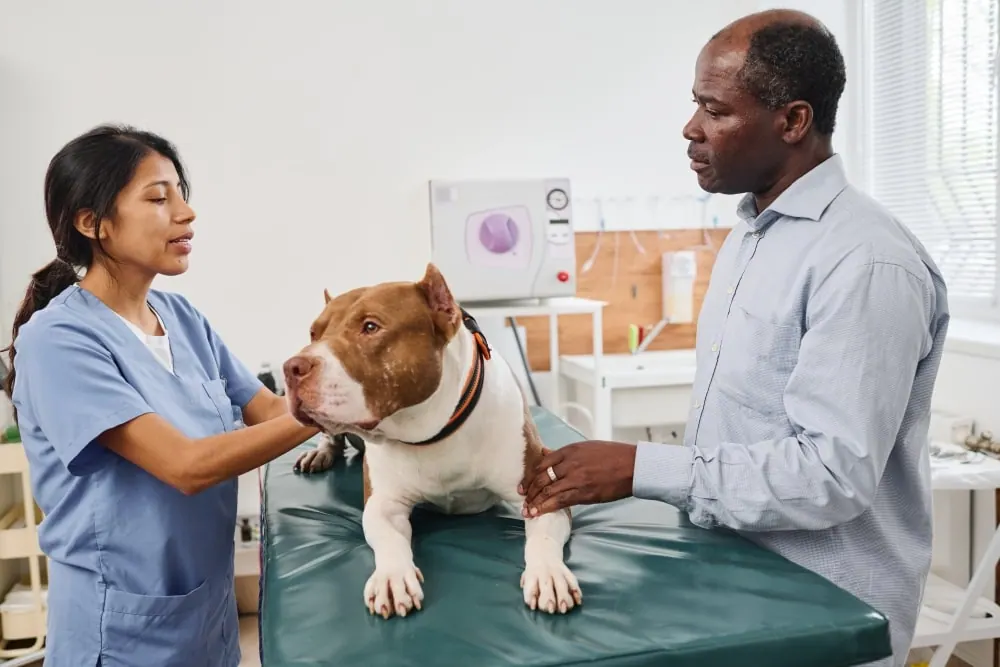
If you notice any of the above symptoms in your dog, it’s important to consult with a veterinarian. The vet will likely perform the following tests to diagnose diabetes:
- Blood Glucose Levels: A high level of glucose in the blood is a telltale sign of diabetes.
- Urinalysis: High glucose levels in the urine can also indicate diabetes.
- Fructosamine Test: This test measures the average blood glucose concentration over the past two to three weeks.
Managing Diabetes in Dogs
While diabetes is a lifelong condition, it can be managed effectively with the right care. Management strategies include:
- Insulin Injections: Most diabetic dogs require daily insulin injections to help regulate their blood sugar levels. Your vet will teach you how to administer these injections.
- Dietary Changes: Feeding your diabetic dog a high-fiber, low-fat diet can help regulate blood sugar levels. Consistency in feeding times and portion sizes is also crucial.
- Regular Exercise: Regular, moderate exercise can help to avoid spikes and drops in blood sugar levels.
- Regular Check-ups: Ongoing veterinary care is important to monitor the effectiveness of treatment and make adjustments as necessary.

Preventing Diabetes in Dogs
While some factors like genetics can’t be controlled, there are several ways to reduce a dog’s risk of developing diabetes:
- Maintain a Healthy Weight: Obesity is a significant risk factor for insulin-resistance diabetes in dogs.
- Regular Exercise: Keeping your dog active helps to maintain a healthy weight and regulate blood sugar levels.
- Proper Diet: Feeding your dog a balanced diet designed for their age, size, and activity levels can prevent obesity and other health issues.
Recognizing the signs of diabetes in your dog and responding quickly can make a significant difference in the quality and length of your pet’s life. With the right care, diabetic dogs can lead happy, active lives. If you suspect your dog might have diabetes, consult your veterinarian immediately for a thorough examination and appropriate management plan. Remember, early diagnosis and proper management are the keys to successfully handling diabetes in dogs.


