How Much Sodium Can a Dog Have?
Related reading: How Much Protein Does a Dog Need?.
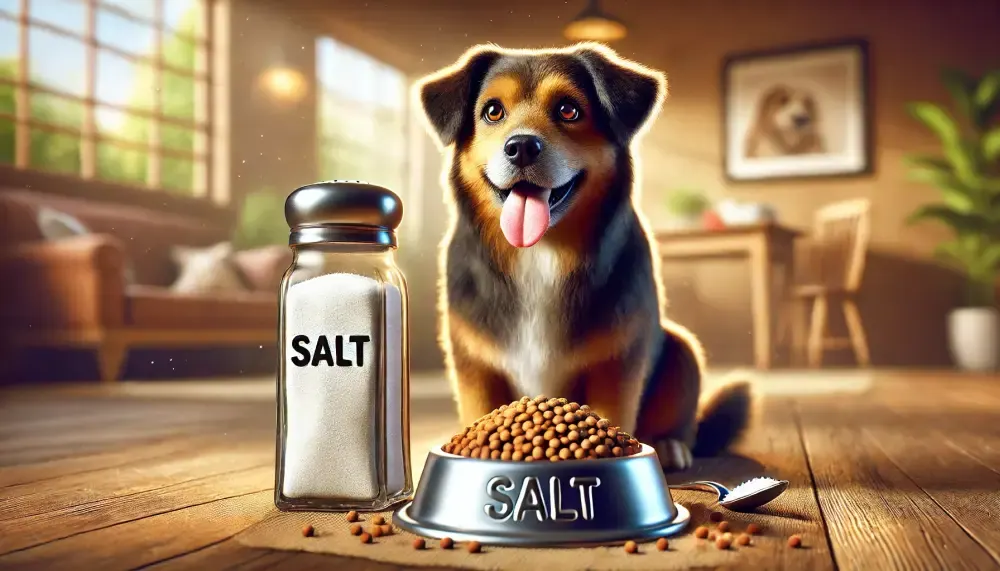
Sodium is an essential mineral that plays a vital role in maintaining your dog’s health. It helps regulate blood pressure, maintain fluid balance, and support nerve and muscle function. While sodium is necessary for your dog, it’s important to ensure they get the right amount—too little can be harmful, but too much can lead to health issues.
Recommended Sodium Levels for Dogs
The Association of American Feed Control Officials (AAFCO) recommends that adult dog food should contain a minimum of 0.3% sodium on a dry matter basis. This translates to approximately 100 mg per 100 kcal of dog food. However, it’s crucial to note that this is the minimum requirement, and healthy adult dogs can safely consume up to 0.5% sodium in their diet.
For comparison, this means that most commercial dog foods contain about 0.2% to 0.5% sodium, ensuring dogs get their required intake without going overboard. Always check the label on your dog’s food to verify the sodium content and consult with your veterinarian if you’re unsure about the ideal amount.
Factors Influencing Sodium Requirements
Certain factors can influence how much sodium your dog can have, including:
- Age: Puppies require slightly more sodium than adult dogs, as they are still growing and developing.
- Size and Weight: Larger dogs may tolerate higher sodium levels compared to smaller breeds.
- Activity Level: Active dogs that exercise regularly may need a bit more sodium to replenish what they lose through sweat and physical exertion.
- Health Conditions: Dogs with certain health conditions, such as heart disease or kidney issues, may require a lower sodium intake.
Signs of Too Much Sodium in Dogs
If a dog consumes excessive sodium, they might experience symptoms of sodium toxicity, which can be dangerous. Be aware of the following signs of too much sodium:
- Excessive thirst and urination: High sodium intake causes dehydration, leading to increased drinking and urination.
- Vomiting or diarrhea: These symptoms often indicate your dog is struggling to process the excess sodium.
- Tremors or seizures: These severe symptoms suggest sodium toxicity and require immediate veterinary attention.
- Lethargy and weakness: Dogs experiencing sodium overload may become weak or unresponsive.
What Causes Excessive Sodium Intake?
The most common sources of excessive sodium intake include:
- Human Food: Many human foods are high in salt, such as chips, pretzels, and processed meats. It’s best to avoid feeding these to your dog.
- Table Scraps: Even seemingly harmless foods like bread and cheese can contain more sodium than your dog needs.
- Saltwater: If your dog ingests saltwater while swimming in the ocean, this can contribute to high sodium levels.
- Salty Treats: Some dog treats can be high in sodium, so always read labels before offering them to your furry friend.
Low Sodium Diet for Dogs with Health Issues
Dogs with health conditions such as heart disease, kidney problems, or hypertension may need a low-sodium diet. In these cases, veterinarians often recommend sodium levels of 0.1% to 0.2%. A low-sodium diet can help reduce fluid retention and lessen the strain on their organs.
If your dog requires a low-sodium diet, consult with your vet about suitable commercial foods or homemade recipes that meet their dietary needs. Always avoid adding salt to their meals and be cautious of ingredients that may contain hidden sodium.
Tips for Managing Sodium Intake
To ensure your dog maintains a healthy sodium intake, consider these tips:
- Choose Quality Dog Food: Opt for high-quality dog food brands that list sodium content on the label and adhere to AAFCO guidelines.
- Avoid Human Foods: Keep human snacks and table scraps away from your dog, as they can be high in salt.
- Read Treat Labels: Check the sodium levels in dog treats, and choose options with lower sodium content.
- Provide Fresh Water: Make sure your dog has access to fresh, clean water at all times to help flush out excess sodium.
Monitoring Sodium Intake
Regularly monitoring your dog’s sodium intake is essential, especially if they have any health concerns. Consult with your veterinarian to determine the ideal sodium level for your dog’s specific needs and to perform routine health checks.
When introducing a new dog food or treat, start with small portions and observe how your dog reacts. If you notice any signs of sodium sensitivity, such as increased thirst or lethargy, adjust their diet accordingly.
Can Dogs Have Salt in Moderation?
Yes, dogs can have salt in moderation, but it should never be a regular part of their diet. Sodium naturally occurs in most dog foods, so there’s no need to add salt to their meals. If you prepare homemade dog food, ensure you follow a balanced recipe with the right amount of sodium to avoid any health risks.
Maintaining the right sodium level in your dog’s diet is crucial for their overall health and well-being. While sodium is an essential nutrient, too much can lead to serious health problems, especially in dogs with underlying medical conditions. Always choose dog food that meets AAFCO standards, avoid high-sodium human foods, and consult your veterinarian to determine the ideal sodium intake for your furry friend.
By paying attention to your dog’s diet and monitoring their sodium levels, you can ensure they stay healthy, happy, and full of energy!


