How Much Raw Food to Feed a Dog? There Isn’t One Safe Chart
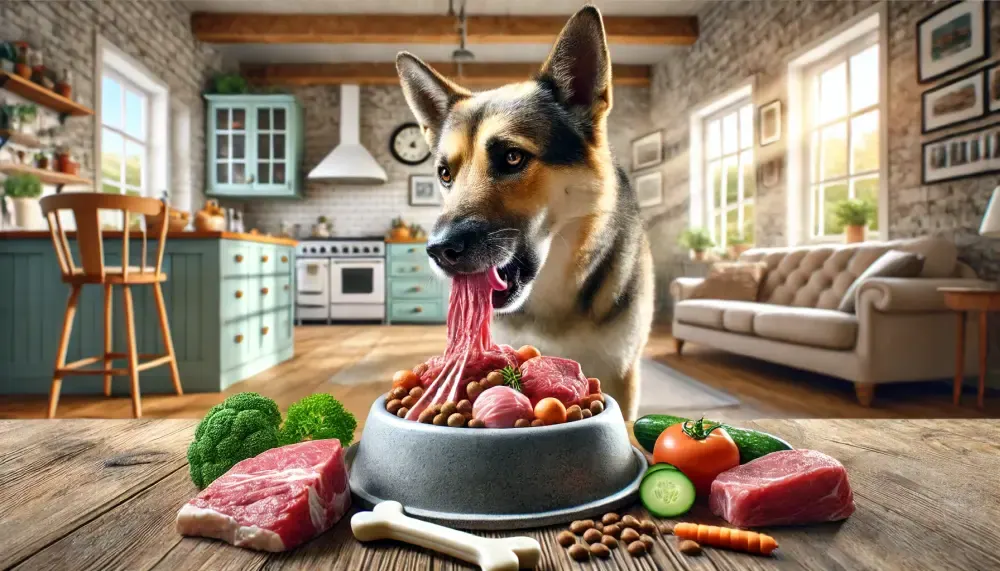
There is no single safe percentage or cup chart that tells every owner how much raw food to feed. Raw diets can be complete if they are carefully formulated, but homemade raw recipes are easy to unbalance, and raw meat can carry bacteria that matter for the dog and for the people in the house, including children and anyone with a weaker immune system. Recreational raw bones can also fracture teeth or cause a blockage. If you choose raw, work with your veterinarian or a veterinary nutritionist on the formula and the amount, rather than copying a blog calculator.
Raw feeding has documented risks. The AVMA overview of raw pet foods and the WSAVA Global Nutrition Guidelines are the references we use when discussing it, and a veterinary nutritionist should design any home-prepared plan.
For a related food question, see How Much Homemade Dog Food to Feed: Why There Is No Set Cup Amount.
A complete commercial food, including some commercial raw or gently cooked products, is usually a clearer starting point than a homemade raw mix; see top dog food brands and wet vs dry dog food guide. Raw is not automatically more “natural” or healthier than a well-made kibble or wet food.
Feeding your dog a raw food diet is becoming an increasingly popular choice for many pet owners. But with this decision comes a common question: How much raw food should you feed your dog? Whether you’re new to raw feeding or just looking to refine your dog’s diet, this guide will help you determine the right amount of raw food to keep your dog healthy and happy.
Understanding Raw Feeding
Raw feeding typically consists of a diet made up of raw meats, bones, fruits, and vegetables. Many dog owners turn to raw feeding because it mirrors a dog’s ancestral diet and is believed to offer numerous health benefits, such as improved digestion, shinier coats, and healthier teeth and gums. However, one of the most critical aspects of a successful raw feeding regimen is determining how much raw food to offer.
General Guidelines for Raw Feeding Portions
The amount of raw food you feed your dog should be based on several factors, including their weight, age, activity level, and overall health. A common recommendation is to feed your dog between 2% to 3% of their ideal body weight per day. Here’s a basic formula to calculate the amount:
- Weight of the dog (lbs/kg) x 0.02 = 2% of body weight in raw food per day
- Weight of the dog (lbs/kg) x 0.03 = 3% of body weight in raw food per day
For example:
- If your dog weighs 50 lbs (23 kg), you’d feed them 1 to 1.5 lbs (0.45 to 0.68 kg) of raw food daily.
- 50 lbs (23 kg) x 0.02 = 1 lb (0.45 kg)
- 50 lbs (23 kg) x 0.03 = 1.5 lbs (0.68 kg)
If your dog is highly active or underweight, you may want to increase the portion size slightly. For dogs that are more sedentary or overweight, you can reduce the amount accordingly.
Dog Raw Food Calculator
Calculate how much raw food to feed your dog per day
Dog’s Weight (lbs/kg): Activity Level: Low Medium High Select Unit: Pounds (lbs) Kilograms (kg) Calculate
Daily Raw Food Amount:
Raw Food for Puppies
Puppies have different dietary requirements compared to adult dogs. Since they are growing, they need more food relative to their body weight. Puppies should generally be fed around 5% to 6% of their body weight in raw food daily, split into several meals throughout the day.
For example:
- A 10 lb (4.5 kg) puppy would require between 0.5 and 0.6 lbs (0.22 to 0.27 kg) of raw food daily.
- 10 lbs (4.5 kg) x 0.05 = 0.5 lbs (0.22 kg)
- 10 lbs (4.5 kg) x 0.06 = 0.6 lbs (0.27 kg)
Puppies’ diets should also be more balanced in terms of nutrients, as they are in their developmental stage. It’s essential to include the right ratio of meat, bones, and vegetables to ensure they receive all the necessary vitamins and minerals.
Puppy Raw Food Calculator
Calculate how much raw food to feed your puppy per day
Puppy’s Weight (lbs/kg): Activity Level: Low Medium High Select Unit: Pounds (lbs) Kilograms (kg) Calculate
Daily Raw Food Amount:
Adjusting Based on Age, Breed, and Health
While the general rule is to feed 2% to 3% of a dog’s body weight, individual factors may influence the amount of food your dog needs. Senior dogs may require less food as their metabolism slows down. Additionally, certain breeds with faster metabolisms or higher energy levels, like working dogs, may need more food to maintain a healthy weight.
Dogs with specific health conditions may also need adjustments to their raw food intake. If you’re unsure about how much to feed, it’s best to consult with a veterinarian who supports raw feeding.
Frequency of Feeding
The frequency of feeding raw food varies depending on your dog’s age and preference. Adult dogs generally do well with one or two meals a day, while puppies require more frequent feedings. A common schedule includes:
- Adult dogs: 1-2 meals per day
- Puppies (up to 6 months old): 3-4 meals per day
- Senior dogs: 1-2 meals per day, depending on activity level
Some owners prefer feeding their dogs one large meal, while others split it into two smaller portions. You can decide based on your dog’s preference and digestion.
Types of Raw Food to Include
When feeding raw food, variety is essential to provide a balanced diet. Here’s a breakdown of the common components of a raw dog food diet:
- Muscle meat: This includes cuts of beef, chicken, turkey, or lamb. It forms the primary protein source for your dog.
- Organ meats: Liver, kidney, and heart are nutrient-dense and should be a regular part of your dog’s diet.
- Raw bones: These help with dental health and provide necessary minerals like calcium. It’s important to feed raw, not cooked bones, as cooked bones can splinter and cause injury.
- Fruits and vegetables: Adding a small amount of fruits and vegetables, such as carrots, spinach, or apples, can provide essential vitamins, minerals, and fiber.
Monitor Your Dog’s Weight and Adjust
One of the best ways to ensure you’re feeding your dog the right amount of raw food is by regularly monitoring their weight and body condition. If your dog starts to gain or lose weight unexpectedly, you may need to adjust the portion size.
Here’s how to tell if your dog is at a healthy weight:
- Ribs are easy to feel but not visible.
- Your dog has a visible waistline when viewed from above.
- The stomach is tucked up when viewed from the side.
If your dog is too thin, increase their food intake. If they are overweight, decrease the portions slightly.
Final Thoughts on Raw Feeding
Feeding your dog raw food can offer many benefits, from improved energy levels to better digestion. However, determining the right portion size is crucial to keeping your dog healthy. By following the 2% to 3% rule and adjusting based on your dog’s individual needs, you can provide a well-balanced, nutritious raw diet. Always monitor your dog’s condition and make adjustments as needed to ensure they’re receiving the correct amount of food.
If you have any concerns or specific dietary requirements for your dog, consulting with a veterinarian familiar with raw feeding is highly recommended.


