Making the Switch from Kibble to Raw Diet
We earn from qualifying Amazon purchases. It doesn't change what we recommend.
Raw feeding has documented risks. The AVMA overview of raw pet foods and the WSAVA Global Nutrition Guidelines are the references we use when discussing it, and a veterinary nutritionist should design any home-prepared plan.
The transition from kibble to a raw diet can be a significant shift for pet owners who are used to the convenience of dry food. However, many advocates of raw feeding argue that the benefits of a diet closer to what pets would eat in the wild are worth the extra effort. In this article, we will explore the steps to transition your pet to a raw diet, the potential benefits and risks, and tips for making the switch safely and effectively.
Understanding Raw Diets for Dogs
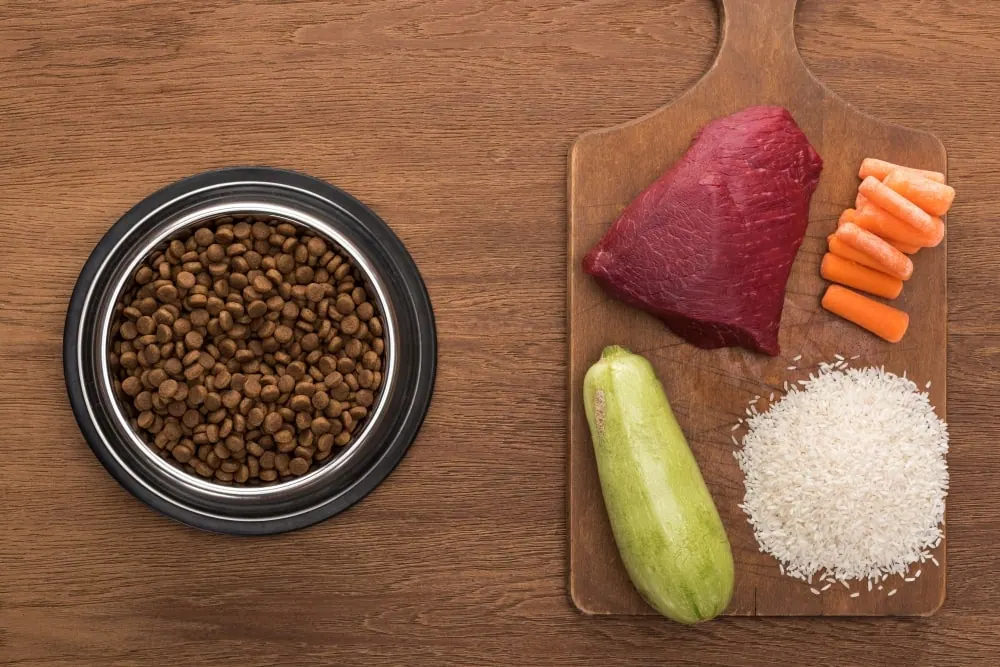
Before diving into the transition process, it’s important to understand what a raw diet entails. Typically, a raw diet for pets includes muscle meat, organ meat, whole or ground bones, raw eggs, water, and some dairy, such as yogurt. Fruits and vegetables are also common components, providing essential vitamins, minerals, and fiber.
Proponents of raw diets claim that they can lead to shinier coats, healthier skin, improved dental health, increased energy levels, and smaller, less smelly stools. However, it’s crucial to approach raw feeding with a solid understanding of your pet’s nutritional needs and to ensure the diet is balanced and appropriate for your pet’s age, weight, and health status.
Step-by-Step Transition
1. Research and Consultation
Start by doing thorough research and consulting with a veterinarian who is knowledgeable about raw diets. This step is essential to avoid nutritional imbalances that could harm your pet. Your vet can help you understand the specific needs of your pet and recommend supplements or adjustments to prevent deficiencies.
2. Start Small
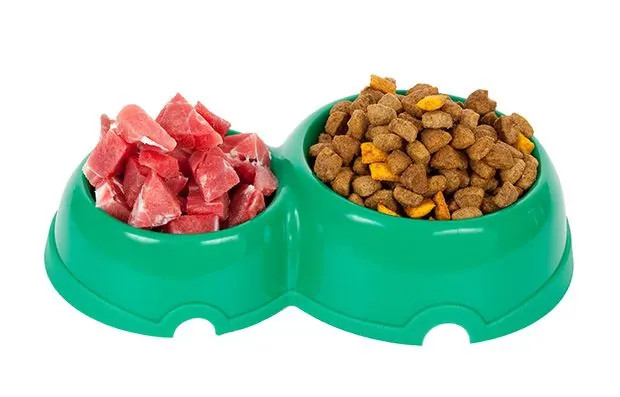
When you begin the transition, introduce raw food gradually. Start by mixing a small amount of raw food with their regular kibble, slowly increasing the proportion of raw over time. This gradual introduction helps prevent digestive upset as your pet’s system adjusts to the new diet.
3. Monitor Your Pet’s Reaction
Pay close attention to how your pet responds during the transition. Look for changes in their energy levels, coat condition, and overall health. Also, monitor their stool to ensure that they are digesting the raw food properly. Loose stools, excessive gas, or vomiting could indicate that the transition needs to be slowed down or that a particular ingredient doesn’t agree with your pet.
4. Hygiene and Safety
Handling raw meat requires careful attention to hygiene and food safety. Always wash your hands thoroughly after handling raw pet food and clean all surfaces and dishes used for preparation and feeding. It’s also important to source high-quality meat from reputable suppliers to minimize the risk of contamination.
5. Balanced Meals
Ensuring that the raw diet is balanced is crucial. Each meal should meet your pet’s nutritional requirements, which may involve adding supplements or varying the types of meat and vegetables provided. Common supplements include vitamin E, fish oil, and bone meal. Your veterinarian can provide guidance based on your pet’s specific needs.
Benefits of a Raw Diet for Dogs
Switching to a raw diet can offer numerous benefits if done correctly:
- Improved Digestive Health: Many pets experience better digestion due to the natural enzymes in raw food and the absence of fillers and additives common in commercial kibble.
- Healthier Skin and Coat: The natural oils found in raw meat can enhance the shine and health of your pet’s coat and skin.
- Enhanced Immune System: A balanced raw diet can boost your pet’s immune system, potentially leading to fewer health issues and allergies.
- Dental Benefits: Chewing raw bones can help scrape away plaque and tartar, improving dental health.
Potential Risks
While the benefits can be significant, there are also risks associated with raw diets:
- Nutritional Imbalances: Without proper planning, raw diets can lead to deficiencies or excesses of certain nutrients.
- Bacterial Contamination: Raw meat can harbor pathogens like Salmonella and E. coli, which can be harmful to both pets and humans.
- Choking Hazards: Bones, especially cooked ones, can be hazardous and may splinter, posing a risk of choking or internal injury.
Transitioning your pet from kibble to a raw diet is a decision that should be made with careful consideration and preparation. By following the steps outlined above and working closely with your veterinarian, you can ensure a safe and beneficial switch for your pet. Remember, each pet is unique, and what works for one may not work for another. As always, the most important thing is your pet’s health and well-being.


