Homemade Cat Food Recipes: Nutritious Meals for Your Feline Friend

For a related food question, see Free Cat Food Samples: A Trial, Not a Feeding Plan or a Guaranteed Offer.
A complete homemade diet is easy to get wrong. Use the FDA guidance on complete and balanced pet food, the WSAVA Global Nutrition Guidelines, and the Tufts veterinary nutrition service as your starting references, and work with a veterinarian before treating a home recipe as a full diet.
Cats are beloved members of many households, often regarded as part of the family. As caring pet owners, ensuring their health and happiness is a top priority. One significant aspect of cat care is their diet. While commercial cat foods are readily available, many pet owners are opting to prepare homemade cat food to ensure their feline friends receive optimal nutrition. In this article, we’ll explore a variety of homemade cat food recipes that are simple to prepare and packed with essential nutrients.
Why Homemade Cat Food?
Commercial cat foods typically contain a variety of ingredients, some of which may not be the best for your cat’s health. By preparing homemade cat food, you have full control over the ingredients, allowing you to tailor your cat’s diet to their specific needs. Additionally, homemade cat food can be more cost-effective in the long run, especially if you buy ingredients in bulk or grow them yourself.
Essential Nutrients for Cats
Before diving into homemade cat food recipes, it’s crucial to understand the essential nutrients that cats require for optimal health:
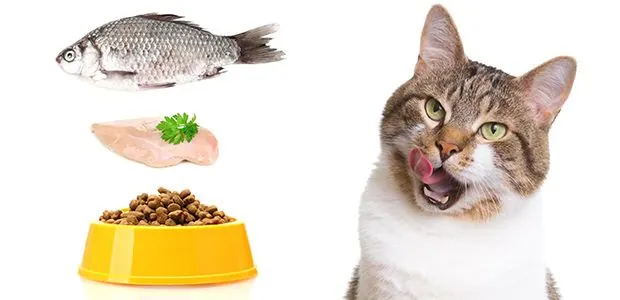
- Protein: Cats are obligate carnivores, meaning they require a diet high in animal protein. Protein sources such as chicken, turkey, beef, and fish are essential for muscle growth and overall health.
- Fats: Fats provide cats with energy and aid in the absorption of fat-soluble vitamins. Opt for healthy fats such as omega-3 and omega-6 fatty acids found in fish oil and flaxseed oil.
- Vitamins and Minerals: Cats need a variety of vitamins and minerals, including vitamin A, vitamin D, calcium, and taurine, to maintain healthy bones, eyes, and heart function.
- Water: Proper hydration is essential for cats to support kidney function and prevent urinary tract issues. Always ensure your cat has access to fresh, clean water.
3 Homemade Cat Food Recipes
1. Chicken and Rice Delight
Ingredients:
- 1 cup cooked chicken, shredded
- 1/2 cup cooked brown rice
- 1/4 cup cooked peas
- 1 tablespoon chicken broth (low-sodium)
- 1 teaspoon fish oil
Instructions:
- In a mixing bowl, combine the cooked chicken, brown rice, and peas.
- Drizzle the chicken broth and fish oil over the mixture and toss to combine.
- Serve the chicken and rice delight at room temperature.
2. Tuna Surprise
Ingredients:
- 1 can of tuna in water, drained
- 1/4 cup cooked quinoa
- 1/4 cup steamed carrots, chopped
- 1 tablespoon chopped parsley
- 1 teaspoon olive oil
Instructions:
- In a bowl, mash the drained tuna with a fork.
- Add the cooked quinoa, steamed carrots, chopped parsley, and olive oil to the tuna and mix well.
- Spoon the tuna surprise into your cat’s bowl and watch them enjoy!
3. Beef and Sweet Potato Stew
Ingredients:
- 1/2 pound lean ground beef
- 1/2 cup cooked sweet potato, mashed
- 1/4 cup cooked green beans, chopped
- 1 tablespoon beef broth (low-sodium)
- 1 teaspoon dried rosemary
Instructions:
- In a skillet, brown the ground beef over medium heat until fully cooked. Drain excess fat.
- In a mixing bowl, combine the cooked beef, mashed sweet potato, chopped green beans, beef broth, and dried rosemary.
- Transfer the beef and sweet potato stew to a serving bowl and let it cool before serving.
Tips for Homemade Cat Food
- Consult Your Vet: Before switching to homemade cat food, consult your veterinarian to ensure it meets your cat’s nutritional needs.
- Balance is Key: Aim to provide a balanced diet that includes a variety of protein sources, healthy fats, and essential vitamins and minerals.
- Introduce New Foods Slowly: When introducing new homemade cat food recipes, do so gradually to prevent digestive upset.
- Quality Ingredients: Choose high-quality, fresh ingredients whenever possible, and avoid seasonings, additives, and ingredients toxic to cats, such as onions, garlic, and chocolate.
Homemade cat food allows you to nourish your feline friend with wholesome, nutritious meals tailored to their specific dietary requirements. By following simple recipes and using quality ingredients, you can ensure that your cat receives the essential nutrients they need to thrive. However, always consult with your veterinarian before making significant changes to your cat’s diet to ensure their health and well-being are prioritized.