Ear Infections in Dogs: Causes, Symptoms, and Effective Treatments
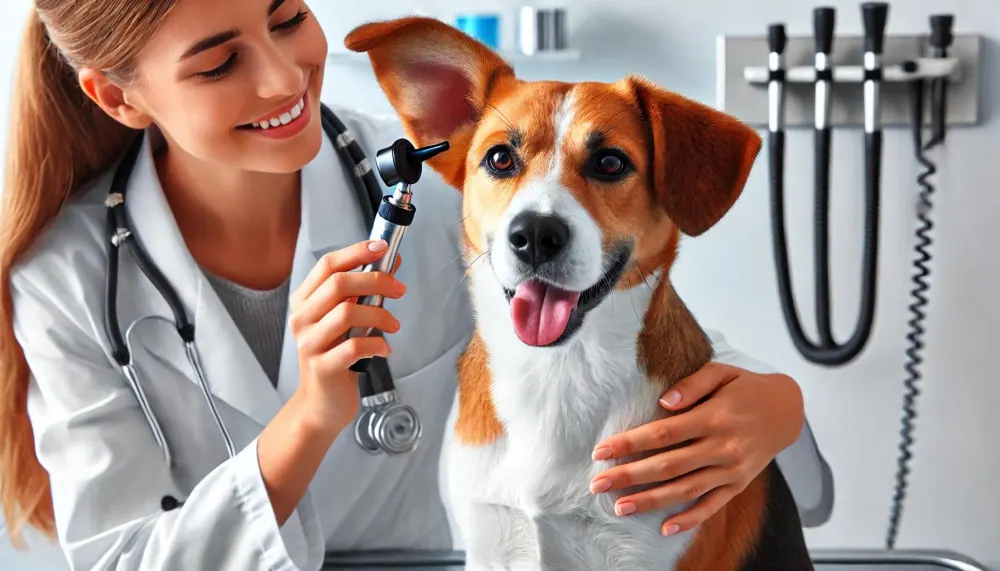
Ear infections are a common ailment in dogs, affecting dogs of all breeds and ages. While some cases may be mild and easily treated, others can lead to more severe complications if not addressed promptly. Understanding the causes, recognizing the symptoms, and knowing the most effective treatments can make a significant difference in your dog’s overall health and well-being.
As an Amazon Associate, we earn from qualifying purchases.
Causes of Ear Infections in Dogs
Dogs have a unique ear structure, with a long ear canal that can easily trap moisture, debris, and bacteria. Several factors can contribute to the development of ear infections in dogs, including:
- Allergies: Allergies are one of the most common causes of ear infections in dogs. These can be food allergies or environmental allergens such as pollen, dust mites, or mold. Allergies can cause inflammation in the ear, leading to secondary infections.
- Moisture: Dogs that love to swim or live in humid environments are more prone to ear infections. Excess moisture in the ear creates an ideal environment for bacteria and yeast to thrive.
- Ear Mites: These tiny parasites can cause intense itching and inflammation in the ear canal. If left untreated, ear mites can lead to bacterial or yeast infections.
- Foreign Objects: Grass seeds, dirt, or other foreign objects can get lodged in a dog’s ear canal, leading to irritation and infection.
- Underlying Medical Conditions: Hormonal imbalances, hypothyroidism, or autoimmune diseases can make dogs more susceptible to ear infections.
- Breed Predisposition: Certain breeds with floppy ears, such as Cocker Spaniels, Basset Hounds, and Poodles, are more prone to ear infections due to their ear anatomy, which can trap moisture and debris more easily.

Symptoms of Ear Infections in Dogs
Recognizing the early signs of an ear infection can help you seek treatment before the condition worsens. Common symptoms include:
- Frequent Ear Scratching: If your dog is constantly scratching or pawing at their ears, it may be a sign of an infection.
- Head Shaking: Dogs with ear infections often shake their heads to relieve discomfort.
- Odor: A foul smell coming from your dog’s ears can indicate an infection.
- Discharge: You may notice a yellow, brown, or bloody discharge from the ear.
- Redness and Swelling: Inflamed, red, or swollen ear canals are a clear sign of infection.
- Pain and Sensitivity: Your dog may whimper or pull away when you touch their ears due to pain.
- Balance Issues: Severe ear infections can affect a dog’s balance, causing them to stumble or walk in circles.
Effective Treatments for Ear Infections in Dogs
If you suspect your dog has an ear infection, it’s important to consult your veterinarian for an accurate diagnosis and treatment plan. Treatment will depend on the underlying cause of the infection but may include the following:
- Cleaning the Ear: Your vet will likely clean your dog’s ear to remove debris, wax, and discharge. This is often the first step in treating an infection.
- Medications: Depending on the cause, your vet may prescribe topical or oral medications. These can include antibiotics for bacterial infections, antifungal treatments for yeast infections, or antiparasitic medications for ear mites.
- Steroids: In cases of severe inflammation, your vet may prescribe corticosteroids to reduce swelling and discomfort.
- Surgery: In chronic or severe cases where the infection does not respond to treatment, surgery may be necessary to remove the affected tissue or to improve ear drainage.
- Dietary Changes: If allergies are the underlying cause of the infection, your vet may recommend dietary changes or an elimination diet to identify and avoid allergens.
Preventing Ear Infections in Dogs
Preventing ear infections is key to maintaining your dog’s ear health. Here are some preventive measures you can take:
- Regular Ear Cleaning: Clean your dog’s ears regularly with a vet-recommended ear cleaner, especially if they are prone to infections. Avoid using cotton swabs, which can push debris further into the ear canal.
- Keep Ears Dry: After swimming or bathing, make sure to dry your dog’s ears thoroughly to prevent moisture buildup.
- Monitor for Allergies: If your dog has known allergies, work with your vet to manage them effectively and minimize flare-ups that can lead to ear infections.
- Regular Vet Check-Ups: Regular veterinary check-ups can help detect early signs of ear infections and other health issues before they become serious.
- Maintain a Healthy Diet: Feeding your dog a balanced, nutritious diet can boost their immune system and help prevent infections.
See top-rated Dםע Ear Cleaning on Amazon
This is general information, not a diagnosis. The Merck Veterinary Manual dog-owner pages are a reliable place to read more before you talk with your veterinarian.
For a related health topic, see Eye Infections in Dogs: Causes, Symptoms, and Treatments. That article is also not a substitute for a veterinary exam.
When to Consult Your Vet
While mild ear infections may clear up with treatment at home, it’s important to consult your vet if:
- The infection does not improve within a few days of treatment.
- Your dog is in significant pain or discomfort.
- There is a large amount of discharge or a strong odor coming from the ear.
- Your dog is experiencing balance issues or other neurological symptoms.
Prompt veterinary care can prevent complications such as hearing loss or chronic ear infections, which can be more difficult to treat.
Ear infections in dogs are a common but treatable condition. By understanding the causes, recognizing the symptoms, and following your vet’s treatment plan, you can help your dog recover quickly and prevent future infections. Regular ear care and monitoring are essential to keep your furry friend’s ears healthy and free from discomfort. Remember, when in doubt, always consult your veterinarian to ensure the best care for your pet.


