Dog Puzzle Toys: A Useful Job, Not a Cure-All, and Not for Unsupervised Chewers
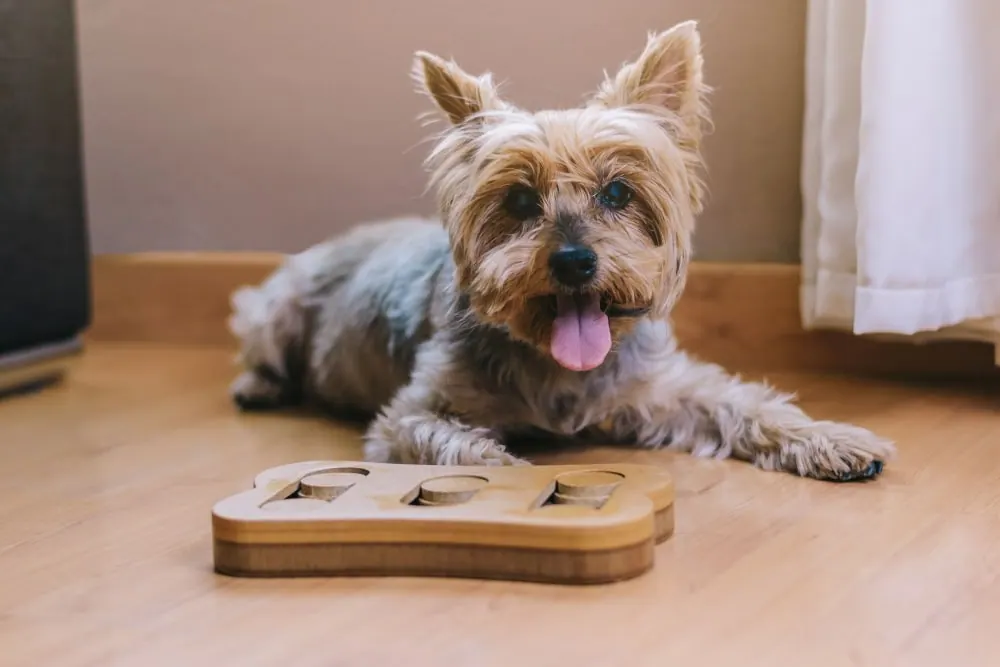
Puzzle toys can be a useful way to slow a meal down, give a dog a job, and take the edge off boredom. They are not a cure for anxiety, and they are not safe for every dog in every room. Choose a difficulty the dog can solve without frustration, supervise the first sessions, and take the toy away if it is being destroyed or the dog is guarding it. Size the puzzle to the dog, and wash food puzzles often.
A puzzle can also make a thoughtful Christmas gift if you match it to the dog and supervise the first sessions. We included a Level 2 Nina Ottosson puzzle in our Christmas gifts for dogs guide.
Play and enrichment work best alongside sound training habits; the AKC expert advice on dog training is a useful overview.
Puzzle toys are a different job from a tough tug toy; if you need something more chew-resistant, see our Tuffy dog toys review.
A best interactive dog toys toy, a best snuffle mats, a best slow feeder bowls, or a best lick mats can all play a similar role if you match the dog. Puzzle time works best as part of a day that also includes walks, rest, and training, not as a substitute for those things.
As an Amazon Associate, we earn from qualifying purchases.
In the world of pet care, mental stimulation is just as important as physical exercise. Dog puzzle toys, innovative tools designed to challenge and engage a dog’s cognitive abilities, have risen in popularity amongst pet owners who seek to enrich their furry friends’ lives. These toys offer an excellent way to keep your dog entertained, reduce anxiety, and even curb destructive behavior by channeling energy into constructive play. This article delves into the myriad benefits of dog puzzle toys, the various types available, and how to select the right one for your canine companion.
The Importance of Mental Stimulation for Dogs
Dogs are intelligent, curious creatures who require mental as well as physical stimulation to lead fulfilled lives. Without adequate mental exercise, dogs can develop a range of behavioral issues, including anxiety, excessive barking, and destructive behaviors. Mental stimulation can improve problem-solving skills, reduce stress, and even slow down the cognitive decline in older dogs. Dog puzzle toys, designed to tap into a dog’s natural problem-solving abilities, offer an effective and enjoyable way to provide this much-needed mental stimulation.
Types of Dog Puzzle Toys
Dog puzzle toys come in various shapes, sizes, and complexity levels to suit different ages, breeds, and temperaments. Here’s an overview of the most popular types:
- Treat-Dispensing Toys: These toys release treats when the dog manipulates them in a certain way, combining playtime with snack time and encouraging persistent effort.
- Interactive Puzzles: Often featuring sliding doors or removable pieces, these puzzles challenge dogs to use their paws and snouts to discover hidden treats.
- Hide-and-Seek Toys: Designed to stimulate a dog’s natural hunting instincts, these toys allow dogs to sniff out and retrieve smaller toys or treats hidden within a larger object.
- Slow Feeders: While not puzzles in the traditional sense, slow feeders require dogs to work a bit harder for their food, promoting slower eating and providing mental stimulation.
See top-rated Dog Puzzle Toys on Amazon
Choosing the Right Puzzle Toy for Your Dog
Selecting the appropriate puzzle toy depends on several factors, including your dog’s size, age, chewing habits, and level of intelligence. Here are a few tips to help you make the best choice:
- Start Simple: For dogs new to puzzle toys, start with simpler puzzles to build confidence. Gradually introduce more complex puzzles to avoid frustration.
- Consider Durability: Strong chewers need toys made from durable materials that won’t break apart easily and pose a choking hazard.
- Match the Toy to the Dog: Large dogs might find small puzzles frustrating, while small dogs may struggle with toys designed for larger breeds. Consider your dog’s size and mouth when choosing a toy.
- Safety First: Always supervise your dog during play to ensure they don’t ingest small parts or damage the toy. Choose toys from reputable manufacturers and check for any recalls or safety notices.
If you want to check whether a puzzle toy is actually being used when you are out, our pet cameras guide compares treat-toss and pan-tilt cameras.