Dog Food Allergy Symptoms: Itch Is Common, a Food Allergy Needs a Real Trial
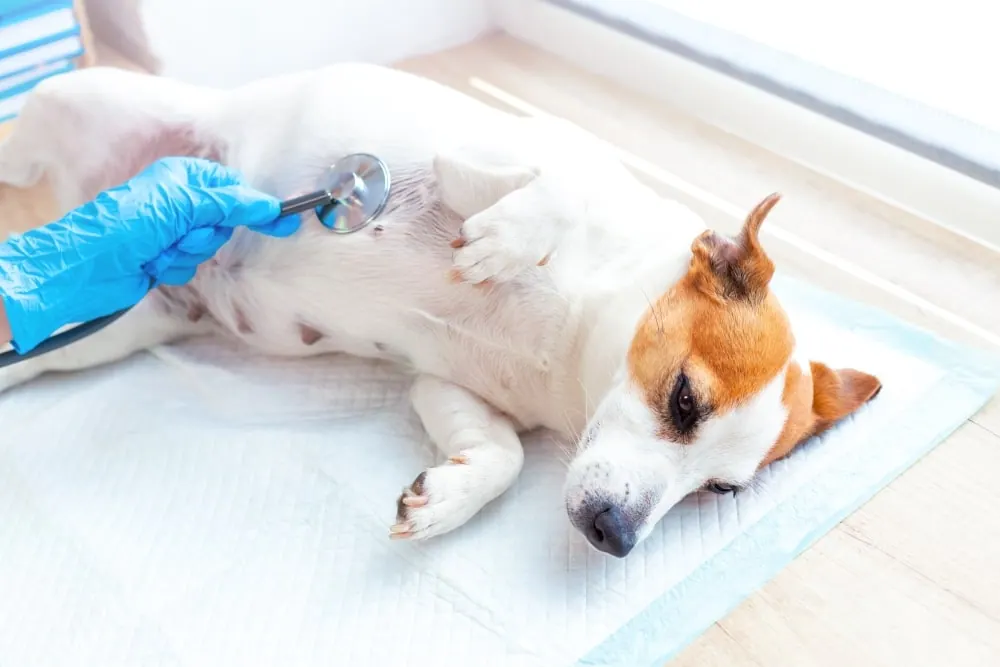
Food allergies in dogs are real, but they are not the most common cause of itch. Flea allergy and environmental allergies are often more likely. Typical food-allergy signs can include year-round itching, recurrent ear infections, and sometimes vomiting or diarrhea, but those signs have many other causes. A social-media list of symptoms is not a diagnosis. An elimination diet, done with your veterinarian, is the usual way to find out whether food is involved. Do not start a random limited diet, a homemade menu, or a pile of supplements on a guess.
This is general information, not a diagnosis. The Merck Veterinary Manual dog-owner pages are a reliable place to read more before you talk with your veterinarian.
Allergy workups are only one kind of test; for a plain-language overview see our guide to common veterinary tests.
If a diet trial is recommended, hypoallergenic dog food guide or best dry food for sensitive stomachs food may be part of the plan, but only the food your veterinarian chooses for the trial matters. Keep treats, chews, and flavored medicines consistent with that plan, or the trial can fail.
Dog food allergies are a common concern among pet owners, often causing discomfort and distress in affected dogs. Understanding the symptoms, triggers, and effective management strategies is essential for maintaining the health and happiness of your furry friend.
What Are Dog Food Allergies?
Food allergies in dogs occur when their immune system mistakenly identifies a specific protein from food as harmful, triggering an adverse reaction. Unlike food intolerance, which is a digestive problem, allergies involve an immune system response that can affect multiple organs in the body.
Common Symptoms of Food Allergies in Dogs
Food allergies in dogs can manifest in various ways, affecting different parts of the body. Recognizing these symptoms early can be crucial for timely and effective treatment. Here’s a detailed look at the common symptoms:
1. Skin Issues
One of the most noticeable signs of food allergies in dogs is skin irritation. Symptoms include:
- Persistent Itching: Dogs with food allergies may scratch excessively, leading to areas of hair loss and inflamed skin.
- Hot Spots: These are raw, red, and moist areas on the dog’s skin that worsen with scratching.
- Hives: Although less common, some dogs can develop hives, which are raised, red, itchy bumps on the skin.
- Facial Swelling: Some dogs might exhibit swelling around the eyes and lips, which can also extend to the ear flaps.
2. Gastrointestinal Problems
Food allergies can also cause several gastrointestinal issues, which include:
- Vomiting: Regular episodes of vomiting may occur if a dog is allergic to something in their diet.
- Diarrhea: Alongside vomiting, diarrhea is a frequent symptom of food allergies, which may also lead to dehydration if persistent.
- Increased Bowel Movements: Dogs with food allergies might defecate more frequently, indicating distress in their digestive system.
- Abdominal Pain: Watch for signs of discomfort such as whimpering or groaning, especially after eating.
3. Ear Infections
Chronic ear infections are a significant indicator of food allergies in dogs:
- Odor and Discharge: Infected ears may emit a strong, unpleasant smell and produce a dark, waxy discharge.
- Redness and Swelling: The inner ear becomes red and swollen, and the dog may shake its head or try to scratch its ears frequently.
4. Respiratory Symptoms
Though less typical, some dogs with food allergies can experience respiratory issues:
- Coughing and Sneezing: These symptoms are rare but can occur, particularly if the dog has multiple allergies.
- Wheezing: Some dogs might exhibit wheezing or other breathing difficulties as a reaction to allergens.
5. Behavioral Changes
The discomfort caused by food allergies can affect a dog’s behavior:
- Increased Licking: Dogs may lick their paws, legs, or other body parts excessively in response to the itchiness.
- Restlessness: Discomfort from allergies can make it difficult for a dog to settle down, leading to apparent restlessness or discomfort.
- Aggression or Irritability: Pain and discomfort from allergies can cause a normally gentle dog to become snappy or irritable.
Recognizing these symptoms and understanding their potential link to food allergies can help dog owners seek timely veterinary care. This not only eases the dog’s discomfort but also prevents the development of more severe conditions associated with untreated allergies.

Diagnosing Dog Food Allergies
Diagnosing food allergies can be challenging as symptoms often overlap with other conditions. Veterinarians typically recommend an elimination diet, where the dog is fed a novel or hydrolyzed protein diet for 8-12 weeks. If symptoms improve, the original diet is reintroduced to confirm the allergy.
Treatment and Management
Once a food allergy is diagnosed, the primary treatment involves avoiding the trigger foods. This may require switching to a hypoallergenic or limited ingredient diet. Additionally, veterinarians may prescribe medications to control itching and inflammation during the transition period.
Common Allergens in Dog Food
The most common food allergens for dogs include beef, chicken, dairy, eggs, corn, wheat, and soy. Each dog is unique, so an allergen for one might not affect another.
Recognizing and addressing dog food allergies is vital for your pet’s health. With careful management and the right dietary adjustments, most dogs can lead happy, symptom-free lives. Always consult with a vet to tailor a plan that suits your dog’s specific needs. If you suspect your dog has a food allergy, consult a veterinarian for an accurate diagnosis and effective management plan. Early intervention is key to relieving your pet’s symptoms and improving their quality of life.


