DCM in Dogs: Understanding Dilated Cardiomyopathy in Canines
For a related health topic, see Anesthesia Sensitivity in Dogs: What Every Pet Owner Should Know. That article is also not a substitute for a veterinary exam.
The FDA investigation of diets and canine dilated cardiomyopathy is still the primary public update on this question; the science is not settled, so diet changes belong with a veterinarian. For everyday bag reading, see the FDA guidance on complete and balanced pet food as well.
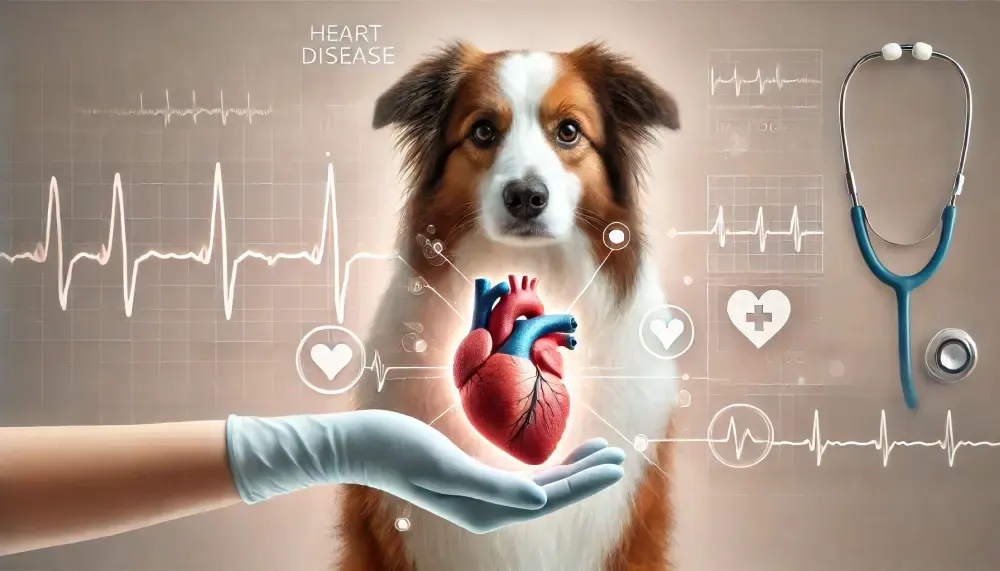
Dilated Cardiomyopathy (DCM) is a severe and often life-threatening heart disease that affects many dog breeds. Characterized by the weakening of the heart muscle, DCM causes the heart to enlarge, leading to poor blood circulation throughout the body. As a result, dogs with DCM may suffer from fatigue, coughing, and even collapse. Understanding the causes, symptoms, and treatments for this condition is vital for pet owners to ensure the well-being of their furry companions.
Causes of DCM in Dogs
DCM is a multifactorial disease, meaning there are several potential causes. The exact cause of DCM in dogs can vary depending on breed, age, and other health factors, but some of the most common causes include:
- Genetics: Certain dog breeds are genetically predisposed to DCM, including Doberman Pinschers, Great Danes, and Boxers. Genetic mutations affecting heart muscle function are often to blame for the development of this condition.
- Nutritional Deficiency: Research suggests that a lack of certain nutrients, such as taurine, can contribute to the development of DCM. Taurine deficiency is more common in certain breeds, including Golden Retrievers, and has been linked to some cases of DCM.
- Diet: Recently, grain-free diets have been scrutinized for their potential link to DCM in dogs. Some studies indicate that diets high in legumes or potatoes may interfere with taurine absorption, exacerbating the risk of heart disease in susceptible breeds.
- Infections: Viral and bacterial infections that affect the heart can also contribute to the onset of DCM, especially if the infection causes long-term damage to heart muscle cells.
Symptoms of DCM in Dogs
Early detection of DCM is crucial in managing the disease effectively. However, the symptoms of DCM can be subtle and may take months or even years to become apparent. Some common signs to watch out for include:
- Lethargy and Fatigue: Dogs with DCM often display a lack of energy and become easily tired, even after minimal physical activity.
- Coughing and Breathing Difficulties: As the heart’s ability to pump blood deteriorates, fluid may build up in the lungs, leading to persistent coughing and labored breathing.
- Weight Loss: Unexplained weight loss can occur as a result of poor circulation and reduced appetite.
- Collapse and Fainting: In severe cases, dogs with DCM may collapse or faint due to insufficient blood flow to the brain.
- Distended Abdomen: Fluid accumulation in the abdomen (ascites) can cause visible swelling, particularly in the later stages of DCM.
Diagnosing DCM in Dogs
If DCM is suspected, veterinarians will perform a series of tests to confirm the diagnosis and assess the severity of the condition. These tests typically include:
- Echocardiogram: This ultrasound of the heart is the most definitive test for diagnosing DCM. It allows veterinarians to visualize the heart’s size, structure, and function.
- Electrocardiogram (ECG): This test measures the electrical activity of the heart and can help detect abnormal heart rhythms, which are common in dogs with DCM.
- X-rays: Chest x-rays may be used to evaluate the size of the heart and check for fluid buildup in the lungs.
- Blood Tests: Blood tests can help detect underlying causes such as taurine deficiency or other metabolic imbalances.
Treatment Options for DCM in Dogs
While DCM is not curable, early diagnosis and appropriate treatment can significantly improve a dog’s quality of life. Treatment generally focuses on managing symptoms and slowing the progression of the disease.
- Medications: Dogs with DCM are often prescribed medications to improve heart function and manage symptoms. These include:
- ACE Inhibitors: These drugs help relax blood vessels, making it easier for the heart to pump blood.
- Diuretics: Diuretics are used to reduce fluid buildup in the lungs and abdomen, relieving symptoms of heart failure.
- Antiarrhythmics: For dogs with irregular heart rhythms, antiarrhythmic drugs may be prescribed to help stabilize the heartbeat.
- Taurine Supplements: In cases of taurine deficiency, supplementing the diet with taurine can help improve heart health and reduce symptoms.
- Dietary Management: Ensuring that dogs with DCM receive a balanced diet rich in essential nutrients is crucial. Veterinarians may recommend avoiding grain-free diets and focusing on food that supports heart health.
- Exercise Restrictions: Dogs with DCM should be limited to gentle exercise, as strenuous activity can exacerbate the condition and increase the risk of sudden collapse.
Prognosis and Quality of Life
The prognosis for dogs with DCM varies depending on the stage of the disease and how early it is detected. With appropriate treatment, many dogs can live comfortably for months or even years after diagnosis. However, the long-term outlook can be less favorable for certain breeds, especially those genetically predisposed to more severe forms of the disease.
Regular veterinary check-ups, medication management, and a supportive diet can help improve the quality of life for dogs with DCM. Owners should remain vigilant for any changes in their pet’s condition and consult their veterinarian if new symptoms arise.
Protecting Your Dog’s Heart Health
Dilated Cardiomyopathy is a serious condition that can have a significant impact on a dog’s well-being. Early detection and treatment are key to managing this disease and extending your pet’s life. If you notice any signs of DCM in your dog, such as lethargy, coughing, or difficulty breathing, consult your veterinarian immediately. By staying informed and proactive, you can help protect your dog’s heart health and ensure they live a happy, fulfilling life.


