Anesthesia Sensitivity in Dogs: What Every Pet Owner Should Know
For general pet-health questions, the AVMA pet-owner resources are a reliable starting point, and your veterinarian should guide individual decisions.
As responsible pet owners, ensuring our furry companions’ health and safety is a top priority. One critical aspect of veterinary care that requires careful consideration is the use of anesthesia during surgical procedures. While anesthesia is generally safe and necessary for various medical interventions, some dogs exhibit sensitivity to anesthesia, which can pose significant risks. Understanding anesthesia sensitivity in dogs, recognizing the breeds that are more prone to it, and taking necessary precautions can make a substantial difference in the outcome of your pet’s surgery.
Understanding Anesthesia Sensitivity in Dogs
Anesthesia sensitivity in dogs refers to an increased risk of adverse reactions to anesthetic drugs. These reactions can range from mild side effects, such as prolonged drowsiness, to severe complications, including respiratory or cardiovascular issues. The sensitivity can stem from various factors, including genetics, underlying health conditions, and the specific type of anesthetic used.
Signs of Anesthesia Sensitivity in Dogs
Recognizing the signs of anesthesia sensitivity is crucial for early intervention and ensuring your dog’s safety. Common signs that may indicate a dog is experiencing an adverse reaction to anesthesia include:
- Prolonged Recovery: While it’s normal for dogs to take some time to recover from anesthesia, an unusually extended recovery period, where the dog remains lethargic or unresponsive for hours, may signal a problem.
- Respiratory Issues: Difficulty breathing, rapid or shallow breathing, and cyanosis (a bluish tint to the gums and tongue) are critical signs of respiratory distress.
- Cardiovascular Problems: Irregular heartbeat, low blood pressure, and pale gums indicate potential cardiovascular complications.
- Vomiting and Diarrhea: Gastrointestinal distress, including vomiting and diarrhea, can occur if the dog is sensitive to the anesthetic used.
- Seizures or Tremors: Neurological reactions, such as seizures or uncontrollable shaking, are severe signs of anesthesia sensitivity.
Breeds Prone to Anesthesia Sensitivity
While any dog can exhibit anesthesia sensitivity, certain breeds are more predisposed due to genetic factors and physiological traits. Breeds that commonly show a higher sensitivity to anesthesia include:
- Sighthounds (e.g., Greyhounds, Whippets): These breeds have a unique metabolism that affects how they process anesthetic drugs, often leading to prolonged recovery times and higher sensitivity.
- Brachycephalic Breeds (e.g., Bulldogs, Pugs): Their short muzzles and narrow airways make them prone to respiratory complications under anesthesia.
- Toy Breeds (e.g., Chihuahuas, Pomeranians): Smaller dogs have less body mass to metabolize drugs, increasing the risk of adverse reactions.
- Doberman Pinschers: This breed is prone to von Willebrand disease, a bleeding disorder that can complicate anesthesia.
- Boxers: Some boxers have a specific sensitivity to certain anesthetic agents, such as acepromazine, which can lead to severe cardiovascular reactions.
Precautions to Ensure Safety
To minimize the risks associated with anesthesia sensitivity, pet owners and veterinarians should take several essential precautions:
- Pre-Anesthetic Screening: Before any surgical procedure, a thorough pre-anesthetic screening should be conducted. This includes a complete physical examination, blood tests, and sometimes additional diagnostics like X-rays or an ECG to assess the dog’s overall health and identify any potential risk factors.
- Individualized Anesthetic Protocols: Based on the pre-anesthetic screening, the veterinarian should tailor the anesthetic protocol to the individual dog’s needs. This involves selecting the safest anesthetic agents and dosages specific to the dog’s breed, size, and health condition.
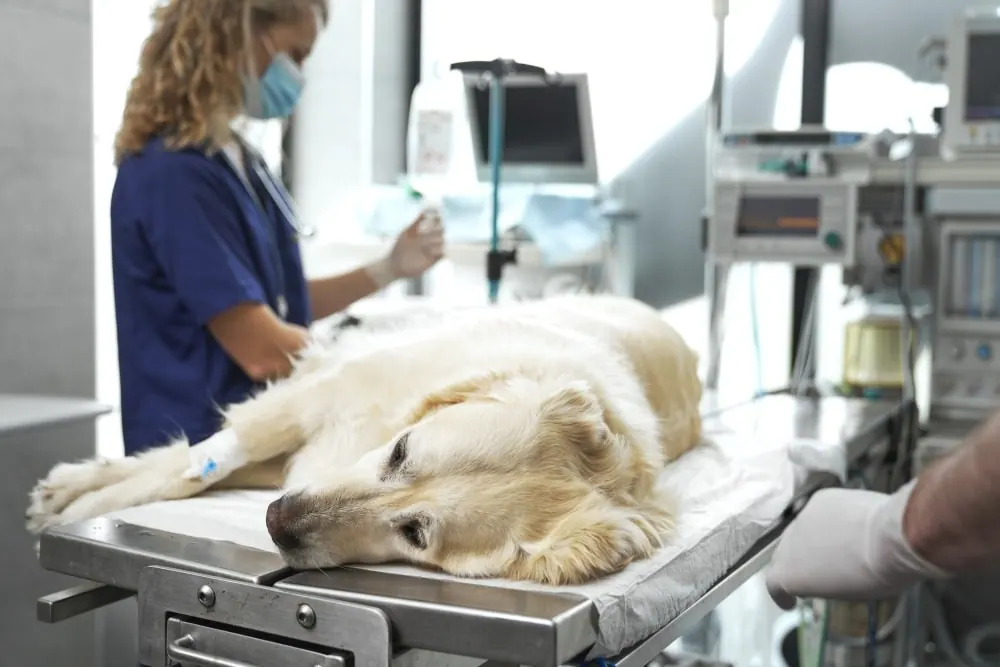
- Monitoring During Surgery: Continuous monitoring of the dog’s vital signs, including heart rate, blood pressure, and oxygen levels, is crucial during the procedure. Advanced monitoring equipment should be used to detect any signs of distress early on.
- Post-Anesthetic Care: After the procedure, the dog should be closely monitored during the recovery phase. Providing a calm and comfortable environment, along with appropriate pain management, helps ensure a smooth recovery.
- Communication with the Veterinarian: Open communication between the pet owner and the veterinarian is essential. Discuss any concerns about anesthesia sensitivity, share your dog’s medical history, and ask about the specific precautions being taken to ensure your pet’s safety.
Managing Risks in High-Risk Breeds
For breeds known to have a higher sensitivity to anesthesia, additional precautions may be necessary:
- Use of Alternative Sedation Methods: In some cases, veterinarians may opt for alternative sedation methods or regional anesthesia to minimize the use of general anesthetics.
- Specialized Veterinary Facilities: High-risk breeds may benefit from undergoing procedures at specialized veterinary facilities equipped to handle anesthesia-sensitive dogs.
- Pre-Operative Conditioning: Conditioning the dog for surgery through gradual desensitization to the veterinary environment and handling can reduce stress and improve the overall experience.
Conclusion
Anesthesia sensitivity in dogs is a critical consideration for any surgical procedure. By understanding the signs of sensitivity, recognizing high-risk breeds, and taking necessary precautions, pet owners and veterinarians can work together to ensure the safety and well-being of our beloved canine companions. Always discuss any concerns with your veterinarian and ensure that a comprehensive pre-anesthetic assessment is conducted to tailor the safest anesthetic plan for your dog. With careful planning and monitoring, the risks associated with anesthesia can be significantly minimized, allowing your dog to receive the necessary medical care with confidence and peace of mind. By prioritizing your dog’s safety and well-being, you can ensure that any surgical procedure, whether routine or complex, is conducted with the utmost care and consideration, providing the best possible outcome for your furry friend.


