Constipation in Cats: Causes, Symptoms, and Effective Solutions
For a related health topic, see Cat Litter Allergies: Causes, Symptoms, and Safer Setup. That article is also not a substitute for a veterinary exam.
This is general information, not a diagnosis. The Merck Veterinary Manual cat-owner pages are a reliable place to read more before you talk with your veterinarian.
Constipation is a common issue among cats, leading to discomfort and potential health risks if not addressed promptly. As a responsible pet owner, understanding the causes, symptoms, and treatment options for constipation in cats is essential for ensuring your feline companion’s well-being. In this comprehensive guide, we’ll explore everything you need to know about cat constipation, from identifying the signs to implementing effective solutions.
Understanding Cat Constipation
Constipation in cats occurs when there is infrequent, difficult, or incomplete passage of stools. Normally, cats should defecate at least once every 24 to 36 hours. However, if your cat is straining to defecate, producing small or hard stools, or not defecating at all, it may be suffering from constipation. Left untreated, this condition can lead to more severe health issues such as megacolon, where the colon becomes enlarged and loses its ability to function properly.
Common Causes of Constipation in Cats
Several factors can contribute to constipation in cats, and identifying the root cause is crucial for effective treatment. Here are some of the most common causes:
- Dehydration: Cats are notorious for not drinking enough water, which can lead to dehydration and subsequently hard, dry stools that are difficult to pass.
- Diet: A diet low in fiber or one that is too high in dry food can contribute to constipation. Cats that consume only dry kibble may not be getting enough moisture in their diet, leading to harder stools.
- Lack of Exercise: Sedentary cats, especially those that are overweight, are more prone to constipation. Regular physical activity helps stimulate bowel movements.
- Hairballs: Cats groom themselves frequently, and ingesting hair can lead to the formation of hairballs. These hairballs can sometimes obstruct the digestive tract, causing constipation.
- Obstruction: Foreign objects, bones, or non-digestible materials that a cat may accidentally swallow can cause a blockage in the intestines, leading to constipation.
- Medical Conditions: Certain underlying health conditions, such as kidney disease, diabetes, or hypothyroidism, can affect bowel movements and lead to constipation.
- Medication Side Effects: Some medications, such as pain relievers, antihistamines, and certain supplements, can cause constipation as a side effect.
- Stress and Anxiety: Cats are sensitive creatures, and changes in their environment or routine can lead to stress, which in turn may affect their digestive system.
Recognizing the Symptoms of Cat Constipation
Identifying the signs of constipation in cats early on is essential for preventing more serious complications. Common symptoms to watch for include:
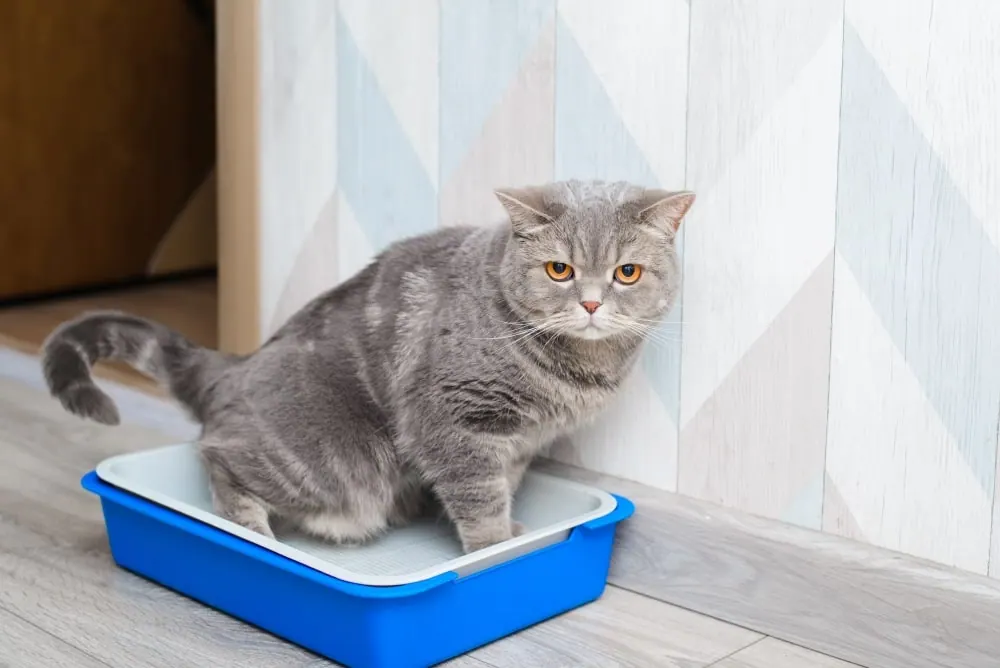
- Straining in the Litter Box: If your cat spends an unusually long time in the litter box or appears to be straining while attempting to defecate, it may be constipated.
- Small, Hard Stools: Dry, small, or hard stools are a clear indicator of constipation.
- Frequent, Unproductive Trips to the Litter Box: If your cat is frequently visiting the litter box but not producing stools, it could be a sign of constipation.
- Lethargy: A constipated cat may become less active, avoiding play or interaction.
- Loss of Appetite: A decrease in appetite or refusal to eat can be associated with digestive discomfort.
- Abdominal Pain: Cats with constipation may exhibit signs of abdominal discomfort, such as sensitivity to touch or a tense abdomen.
- Vomiting: In some cases, constipation can lead to vomiting, especially if there is an underlying blockage.
Effective Solutions for Treating Constipation in Cats
If you suspect that your cat is constipated, it’s important to consult with a veterinarian to determine the underlying cause and appropriate treatment. Here are some common solutions that may be recommended:
- Increase Water Intake: Ensuring your cat stays hydrated is crucial for preventing and treating constipation. You can encourage your cat to drink more water by providing fresh water daily, using a pet water fountain, or adding water to their food.
- Dietary Changes: Your veterinarian may recommend adjusting your cat’s diet to include more fiber. This could involve switching to a high-fiber cat food or adding fiber supplements, such as canned pumpkin, to your cat’s meals.
- Laxatives or Stool Softeners: In some cases, a veterinarian may prescribe a laxative or stool softener to help your cat pass stools more easily. However, these should only be used under veterinary supervision.
- Regular Exercise: Encouraging your cat to stay active can help promote regular bowel movements. Interactive toys, laser pointers, and scheduled playtime can help keep your cat engaged and moving.
- Hairball Remedies: If hairballs are contributing to your cat’s constipation, your veterinarian may recommend a hairball remedy. These products help lubricate the digestive tract, making it easier for hair to pass through.
- Medications: If an underlying medical condition is causing constipation, your veterinarian will address that condition with appropriate medications. For example, treating hypothyroidism or managing kidney disease can help alleviate constipation.
- Manual Evacuation: In severe cases of constipation, where there is an obstruction or megacolon, a veterinarian may need to manually remove impacted feces. This procedure is typically performed under anesthesia.
- Surgery: In rare and extreme cases, surgery may be required to remove a blockage or to correct issues like megacolon.
Preventing Constipation in Cats
Prevention is always better than cure, and there are several steps you can take to minimize the risk of constipation in your cat:
- Provide a Balanced Diet: Ensure your cat’s diet is rich in fiber and moisture. Consider incorporating wet food into their diet or adding water to dry food.
- Encourage Hydration: Always provide fresh water and consider using a cat water fountain to entice your cat to drink more.
- Regular Grooming: Regular brushing can help reduce the amount of hair your cat ingests, lowering the risk of hairballs.
- Promote Physical Activity: Keep your cat active with regular play sessions and access to toys that stimulate movement.
- Monitor Litter Box Habits: Keep an eye on your cat’s litter box behavior and take note of any changes in frequency or stool consistency.
- Regular Vet Check-ups: Routine veterinary visits can help catch and address any underlying health issues that could lead to constipation.
When to See a Veterinarian
While mild cases of constipation can often be managed at home, it’s important to seek veterinary care if your cat’s condition does not improve or if they exhibit severe symptoms such as persistent vomiting, significant pain, or a complete inability to defecate. Early intervention can prevent serious complications and ensure your cat returns to their happy, healthy self.
In conclusion, constipation in cats is a common but manageable condition. By understanding the causes, recognizing the symptoms, and implementing effective treatments, you can help your feline friend maintain a healthy digestive system. Always consult with a veterinarian for personalized advice and care tailored to your cat’s specific needs.