Cat Litter Allergies: Causes, Symptoms, and Safer Setup
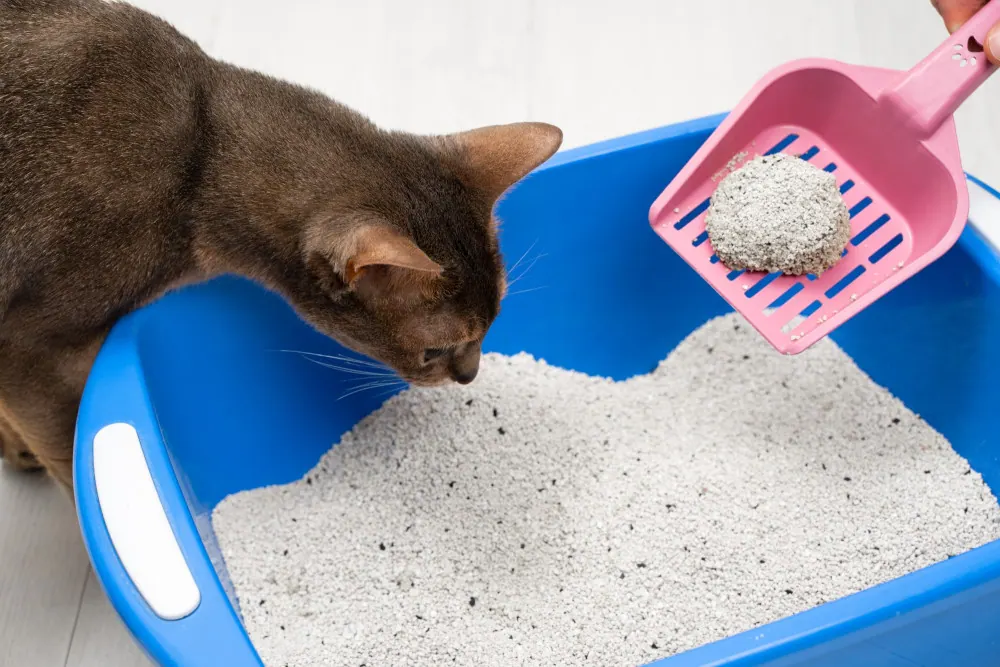
Cat litter can irritate people and, less often, cats. The usual triggers are dust, fragrances, and the fine particles that become airborne when you pour or scoop. In people this can look like a stuffy or runny nose, itchy eyes, coughing, or an asthma flare. In cats, dusty or scented litter may go along with sneezing, watery eyes, or avoiding the box, but those signs can also mean an infection or asthma, so a veterinarian should sort that out rather than a litter swap alone.
This is general information, not a diagnosis. The Merck Veterinary Manual cat-owner pages are a reliable place to read more before you talk with your veterinarian.
If dust or scent is irritating someone in the house, start with unscented litter and our guide on finding the best cat litter.
Practical first steps are unscented, lower-dust litter, pouring slowly, better ventilation, and not storing an open bag in a small bedroom. If you have asthma, talk to your clinician; this is not a reason to delay medical care. Coupons and brand bargains are a separate question from finding a litter you can actually breathe around.
Cat litter allergy is a condition that can affect both cats and their owners, leading to a range of uncomfortable symptoms. This allergy is not just a reaction to the litter itself but can also be caused by the dust, fragrances, and chemicals present in many litter products. Understanding the causes, recognizing the symptoms, and knowing how to manage this condition are crucial steps in creating a healthy environment for pets and their families.
Understanding Cat Litter Allergy
Causes
Cat litter allergies can arise from various sources. For cats, the primary irritants are often the dust and small particles that can be inhaled from the litter, which may lead to respiratory issues. For humans, the allergy can be triggered by dust, perfumes used in scented litters, or chemicals used for clumping and odor control. Additionally, some individuals may react to the natural allergens from cat waste that gets trapped in the litter.
Cat Litter Allergy Symptoms
Cat litter allergy manifests in various symptoms that can affect both cats and their owners. Understanding these symptoms is crucial for early detection and management of the condition. Below is an expanded look at the symptoms associated with cat litter allergy for both humans and cats.
Human Allergic to Cat Litter Symptoms
- Respiratory Symptoms: This includes sneezing, coughing, and a runny or stuffy nose, which are common initial reactions. In more severe cases, individuals may experience wheezing or difficulty breathing, which can be particularly concerning for those with asthma or other respiratory conditions.
- Ocular Symptoms: Allergic reactions often involve the eyes, leading to redness, itching, watering, and swelling. These symptoms can cause significant discomfort and may interfere with daily activities.
- Skin Reactions: Contact with allergenic dust or particles can lead to skin issues such as rashes, itching, and hives. These symptoms typically occur on exposed skin but can also spread if the allergens are transferred by hands to other parts of the body.
- Asthma Exacerbations: For individuals with pre-existing asthma, exposure to cat litter allergens can trigger flare-ups, leading to increased frequency and severity of asthma symptoms, such as shortness of breath, chest tightness, and wheezing.
- Fatigue and Malaise: Though less commonly recognized, allergic reactions can also contribute to a general feeling of tiredness and unwellness, likely due to the body’s immune response to the allergens.
Symptoms in Cats
- Respiratory Issues: Cats may exhibit signs of respiratory distress such as sneezing, coughing, and nasal discharge. In more severe cases, asthmatic symptoms can be observed, including labored breathing and wheezing.
- Dermatological Problems: Allergic reactions in cats can lead to skin irritation, resulting in scratching, biting, or excessive grooming. This can lead to hair loss, red skin, or even open sores if left untreated.
- Eye Irritation: Similar to humans, cats can experience watery, itchy, or red eyes as a reaction to allergens in the litter.
- Behavioral Changes: Cats suffering from discomfort due to an allergic reaction may show changes in behavior, such as increased irritability, lethargy, or a decrease in appetite. They might also avoid using the litter box if they associate it with discomfort.
- Gastrointestinal Symptoms: Though less common, some cats may exhibit gastrointestinal issues such as vomiting or diarrhea if they ingest allergenic particles during grooming.
Recognizing these symptoms early on is vital for both human and feline health. If you or your cat experience any of these symptoms, it’s important to consider the potential link to cat litter and consult with a healthcare provider or veterinarian, respectively. Addressing cat litter allergies promptly can significantly improve the quality of life for both cats and their owners, ensuring a healthier and more comfortable home environment.

Types of Litter and Allergic Reactions
Different types of cat litter can have varying impacts on allergies. Clay-based litters, for instance, are notorious for producing dust that can trigger respiratory problems. Silica gel litters, while less dusty, contain small particles that can be harmful if inhaled over time. Biodegradable litters, made from materials like recycled paper, wood, or corn, often offer a more hypoallergenic alternative, but they are not without their potential allergens.
Managing Cat Litter Allergy
Choosing the Right Litter
Selecting the right cat litter is paramount in managing allergies. Hypoallergenic and dust-free options are available and can significantly reduce the allergic response. Unscented litters are also advisable since they lack the fragrances that can cause reactions. Biodegradable litters may offer a solution, but it’s important to test for individual sensitivities.
Environmental Modifications
Improving the environment can also help manage allergies. Keeping the litter box in a well-ventilated area and using air purifiers can reduce the presence of allergens in the air. Regular cleaning of the litter box, ideally daily, can prevent the buildup of dust and allergens. Using litter mats and maintaining a clean home environment are additional steps that can minimize exposure to allergens.
Medical Management
For individuals with severe allergies, medical management may be necessary. Antihistamines, decongestants, and nasal corticosteroids can provide relief from symptoms. It’s crucial to consult with a healthcare provider for a treatment plan that’s tailored to individual needs. Similarly, cats showing signs of allergy should be examined by a veterinarian to determine the appropriate intervention.
As an Amazon Associate, we earn from qualifying purchases.
See top-rated hypoallergenic cat litter on Amazon
Preventive Measures
Preventive measures can be effective in minimizing the risk of developing allergies. Using protective gear, such as masks and gloves when handling cat litter, can reduce exposure to allergens. Washing hands thoroughly after contact with the litter and avoiding direct contact with the face can also help prevent reactions.
Lifestyle Adjustments
Lifestyle adjustments, including the regular grooming of cats to reduce dander and the use of hypoallergenic bedding and furniture covers, can further reduce allergy risks. Ensuring that the cat’s diet is balanced and healthy can also support their overall health and potentially reduce the shedding of allergens.
Conclusion
Managing cat litter allergy involves a combination of choosing the right products, making environmental adjustments, and possibly seeking medical advice for severe reactions. By understanding the causes and symptoms of this condition, cat owners can take proactive steps to create a comfortable and healthy living environment for themselves and their pets. With the right strategies, it’s possible to minimize the impact of allergies and enjoy the companionship of our feline friends without discomfort.
A new automatic box will not treat a litter allergy, and scented liners can make things worse. If you are already managing dust or scent, read that first, then see our self-cleaning litter boxes guide only as a labor-saving option.