Can Dogs Eat Peas?
We earn from qualifying Amazon purchases. It doesn't change what we recommend.
If you are unsure whether a food is safe, the ASPCA’s list of people foods to avoid feeding pets is a reliable starting point, and a veterinarian or poison-control professional should be called if a pet already ate something questionable.
Peas are a common vegetable found in many households, known for their nutritional value and versatility in cooking. However, as a pet owner, it’s crucial to understand whether this human food is safe for our canine companions. This article will delve into the suitability of peas in a dog’s diet, addressing nutritional benefits, potential risks, and serving suggestions.
Nutritional Benefits of Peas for Dogs
1. Rich in Nutrients: Peas are a great source of several essential nutrients. They are rich in vitamins A, K, and B, and contain a good amount of vitamin C, which can boost your dog’s immune system. Moreover, peas are packed with minerals like iron, zinc, potassium, and magnesium, contributing to a balanced diet.
2. High in Fiber: The high fiber content in peas can aid in digestion and help maintain a healthy weight for your dog. Fiber promotes a feeling of fullness, which can prevent overeating and obesity.
3. Protein Source: Peas are also a good source of protein, especially for dogs on a vegetarian diet. However, it’s important to note that peas should not replace animal-based proteins, which are more complete for a dog’s nutritional needs.
Potential Risks and Considerations
1. Not a Complete Diet: While peas offer various health benefits, they should not constitute a large portion of your dog’s diet. Dogs require a balanced diet tailored to their specific needs.
2. Allergic Reactions: Some dogs may be allergic to peas. If you notice any signs of an allergic reaction, such as itching, swelling, or digestive upset, discontinue feeding them peas and consult your veterinarian.
3. Kidney Issues: Dogs with preexisting kidney problems should avoid peas. Peas contain purines, which can exacerbate kidney issues in susceptible dogs.
How to Safely Include Peas in Your Dog’s Diet
1. Moderation is Key: Peas should be given as a treat, not a staple in the diet. A small amount mixed with their regular food is a safe way to incorporate this vegetable.
2. Cooking Method: Avoid feeding your dog canned peas, as they often contain added salt or preservatives. Instead, opt for fresh or frozen peas, ensuring they are cooked without any added oils, salts, or spices.
3. Monitoring: Always observe your dog after introducing any new food into their diet, including peas. Look out for any changes in their behavior, appetite, or digestive health.
Peas in Commercial Dog Foods
Many commercial dog foods include peas as an ingredient due to their nutritional value and low cost. While generally safe, it’s important to ensure that peas are not a primary ingredient, as a balanced canine diet should be predominantly meat-based.
Varieties of Peas
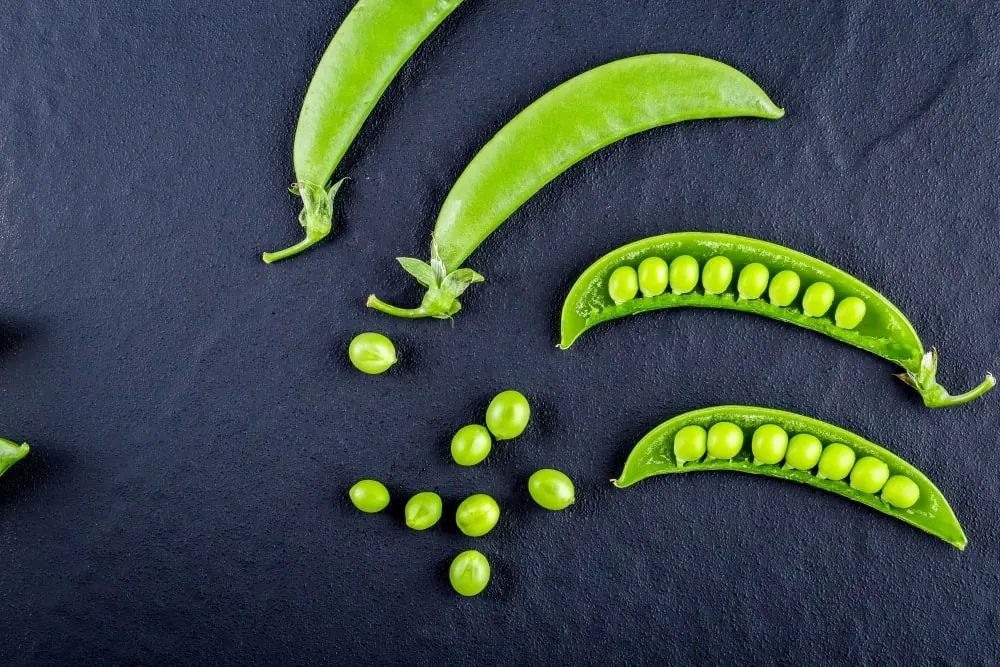
There are several types of peas, including green peas, sugar snap peas, and snow peas. Most are safe for dogs, but it’s best to stick to green peas due to their lower sugar content.
Serving Suggestions
If you decide to include peas in your dog’s diet, here are some ideas:
- Mixed with Regular Food: Adding a small spoonful of cooked peas to your dog’s regular food can enhance its nutritional value.
- Frozen Peas as Treats: Frozen peas can be a refreshing, low-calorie treat, especially on hot days.
- Mashed Peas: For older dogs or those with dental issues, mashed peas can be easier to eat.
Consultation with a Vet
Before introducing any new food, including peas, to your dog’s diet, it’s advisable to consult with a veterinarian. They can provide guidance based on your dog’s specific health needs and dietary requirements.
Conclusion
In summary, peas can be a healthy and nutritious addition to your dog’s diet when served in moderation and as part of a balanced diet. They provide valuable nutrients and can be an enjoyable treat for your furry friend. However, it’s important to be mindful of the potential risks and always prioritize a diet that meets your dog’s individual needs. With the right approach, peas can be a safe and beneficial snack for your canine companion.
FAQs
Q: Can all dogs eat peas? A: While most dogs can safely eat peas, those with certain health conditions like kidney issues should avoid them. Always consult a vet if you’re unsure.
Q: How often can I feed my dog peas? A: Peas should be given as a treat and not as a main component of the diet. Serving them a few times a week in small quantities is generally safe.
Q: Are canned peas okay for dogs? A: It’s best to avoid canned peas due to their added salt and preservatives. Fresh or frozen peas are a healthier choice.
By understanding the benefits and potential risks of feeding peas to your dog, you can make informed decisions about their diet. Always remember to focus on a balanced diet, moderate serving sizes, and regular veterinary advice to ensure the overall health and well-being of your beloved pet.


