Can Dogs Eat Green Peas?
If you are unsure whether a food is safe, the ASPCA’s list of people foods to avoid feeding pets is a reliable starting point, and a veterinarian or poison-control professional should be called if a pet already ate something questionable.
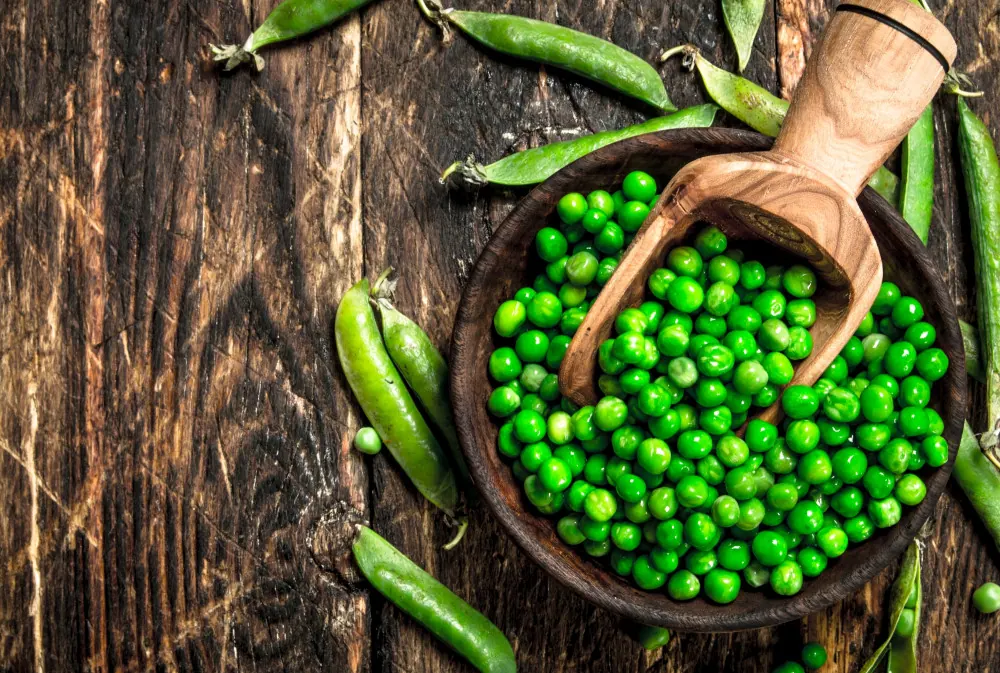
The question of whether dogs can eat green peas is one that many pet owners ponder when looking to diversify their furry friend’s diet. Green peas are a common vegetable, known for their nutritional benefits in humans. But does the same apply to dogs? This article explores the nutritional benefits, potential risks, and the proper ways to include green peas in your dog’s diet, ensuring they get the most out of this versatile vegetable.
Nutritional Benefits of Green Peas for Dogs
Green peas are a low-calorie, high-fiber food that can offer several health benefits to dogs. They are a source of essential vitamins and minerals, including Vitamin A, B vitamins, Vitamin C, and Vitamin K, along with minerals like iron, zinc, potassium, and magnesium. Additionally, green peas are rich in protein and lutein, an antioxidant that supports skin, heart, and eye health.
Nutritional values for green peas tailored for dogs:
| Nutrient | Amount in 100g of Green Peas | Benefits for Dogs |
|---|---|---|
| Calories | 81 kcal | Energy for daily activities |
| Protein | 5.4 g | Supports muscle growth and repair |
| Fat | 0.4 g | Essential fatty acids for healthy skin and coat |
| Carbohydrates | 14.5 g | Provides energy and fiber for digestive health |
| Fiber | 5.1 g | Aids in digestion and helps maintain bowel health |
| Vitamin A | 765 IU | Supports vision, immune function, and skin health |
| Vitamin C | 40 mg | Antioxidant that supports immune health |
| Vitamin K | 24.8 mcg | Important for blood clotting and bone health |
| Iron | 1.5 mg | Essential for healthy blood cells |
| Zinc | 1.2 mg | Supports immune function and thyroid health |
| Potassium | 244 mg | Helps maintain healthy nerve and muscle function |
| Magnesium | 33 mg | Important for energy production and enzyme function |
This table offers a detailed look at the nutrients green peas can provide to a dog’s diet. However, it’s important to remember that while green peas are nutritious, they should only make up a small portion of a dog’s overall diet, which should be balanced and tailored to their specific health needs and lifestyle. Always consult with a veterinarian before making significant changes to your pet’s diet, especially if they have existing health conditions or dietary restrictions.
Digestive Health
The fiber in green peas can aid in digestion, helping to regulate bowel movements and prevent constipation in dogs. Fiber is also beneficial for weight management, as it helps dogs feel fuller longer, reducing the tendency to overeat.
Nutrient-Rich Snack
As a nutrient-dense snack, green peas can be an excellent addition to your dog’s diet. They provide a healthy dose of essential nutrients without a significant calorie increase, making them an ideal choice for maintaining a balanced diet.
Potential Risks and Considerations
While green peas are generally safe for dogs, there are a few considerations to keep in mind:
Portion Control
Like any treat or dietary addition, green peas should be given in moderation. Excessive consumption can lead to gastrointestinal upset in some dogs, especially if they are not used to having peas in their diet.
Preparation Matters
When introducing green peas to your dog’s diet, ensure they are plain and free from any added salts, seasonings, or oils. These additions can be harmful to dogs and detract from the nutritional benefits of the peas.
Individual Health Conditions
For dogs with specific health conditions, such as kidney problems, it’s important to consult with a veterinarian before introducing green peas into their diet. Peas contain purines, which can exacerbate certain health issues.

How to Safely Include Green Peas in Your Dog’s Diet
- Start Small: Introduce green peas into your dog’s diet gradually. Start with a small amount to assess their tolerance and acceptance of this new food.
- Fresh, Frozen, or Cooked: Green peas can be served fresh, frozen, or cooked, but avoid canned peas due to their high sodium content. Frozen peas can also serve as a refreshing treat on a hot day.
- Mix with Regular Food: Incorporating green peas with your dog’s regular food is an excellent way to enhance their diet. It not only adds nutritional value but also introduces a new texture and flavor to their meals.
Green peas can be a healthy and nutritious addition to a dog’s diet when introduced properly and given in moderation. They offer a variety of vitamins, minerals, and fiber, which can contribute to overall health and wellness. However, as with any dietary change, it’s important to consider individual health conditions and consult with a veterinarian to ensure it’s the right choice for your pet. By following these guidelines, pet owners can safely incorporate green peas into their dog’s diet, providing them with a tasty and beneficial treat.
FAQs
Q: Can all dogs eat green peas? A: Most dogs can safely eat green peas, but individual health conditions or sensitivities may influence whether peas are a suitable snack for your pet.
Q: How often can I feed my dog green peas? A: Green peas should be considered a treat and not a primary food source. Including them a few times a week in small quantities is a good practice.
Q: Are there any dogs that should avoid green peas? A: Dogs with kidney issues or those prone to digestive upset may need to avoid or limit their intake of green peas. Always consult a veterinarian first.
By understanding the nutritional benefits and potential risks, dog owners can make informed decisions about including green peas in their pet’s diet, contributing to their health and happiness.


