Can Dogs Eat Cabbage? Yes, in Small, Plain Amounts
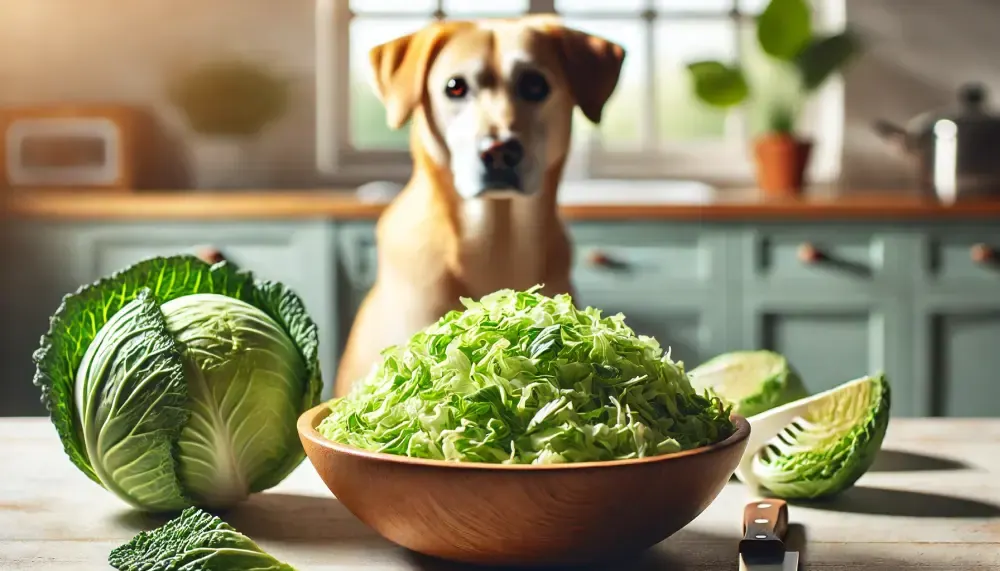
Dogs can eat a little plain cabbage. It is not a toxic vegetable in ordinary amounts, but it is gassy, and large servings can upset the stomach. Lightly cooked cabbage, served plain and chopped, is usually easier to digest than a pile of raw leaves. Do not add butter, salt, onion, garlic, or oil. Red or green cabbage is fine; skip seasoned restaurant sides and cabbage rolls with onions.
If you are unsure whether a food is safe, the ASPCA’s list of people foods to avoid feeding pets is a reliable starting point, and a veterinarian or poison-control professional should be called if a pet already ate something questionable.
If you are comparing this with other extras, we also have a guide on Can Dogs Eat Coconut? Small Amounts of Plain Flesh Only.
Cabbage is a garnish, not a meal. If you want to mix something into the bowl, a measured complete best dog food toppers or a bit of best canned dog food is more reliable than a heap of vegetables. Keep the main diet a complete food; see top dog food brands or wet vs dry dog food guide.
Cabbage, a leafy green vegetable packed with nutrients, is often enjoyed by humans in salads, stir-fries, and other dishes. But what about our furry friends? If you’re wondering whether cabbage is safe for your dog, you’re not alone. Many dog owners are exploring the idea of adding vegetables to their pets’ diets. Let’s look into whether dogs can eat cabbage, the potential health benefits, any risks involved, and how best to prepare it for your dog.
Is Cabbage Safe for Dogs?
Yes, cabbage is generally safe for dogs to eat in moderation. It’s a non-toxic vegetable that, when prepared correctly, can be an excellent addition to your dog’s diet. However, it’s essential to avoid overfeeding cabbage to prevent gastrointestinal discomfort. When introducing cabbage or any new food into your dog’s diet, it’s always best to start with a small portion and monitor for any adverse reactions.
Potential Risks of Feeding Cabbage to Dogs
Although cabbage is safe for dogs, there are a few risks to keep in mind:
1. Gas and Bloating
Cabbage is known for causing gas, even in humans. This effect can be more pronounced in dogs due to their smaller digestive systems. Too much cabbage can lead to uncomfortable gas or bloating in your dog, so it’s best to serve it in small amounts.
2. Thiocyanate Content
Raw cabbage contains thiocyanate, a compound that can potentially affect the thyroid gland when consumed in large amounts over time. However, the risk is minimal if cabbage is given occasionally or in small portions. Cooking the cabbage reduces the amount of thiocyanate, making it safer for your dog.
3. Digestive Upset
Some dogs have more sensitive stomachs than others. If your dog is prone to digestive issues, even a small amount of cabbage could lead to mild upset, such as loose stools or mild diarrhea. Monitoring your dog’s reaction when first introducing cabbage can help you gauge its tolerance.
How to Safely Prepare Cabbage for Dogs
To safely feed cabbage to your dog, follow these preparation tips:
- Wash Thoroughly – Ensure the cabbage is thoroughly washed to remove any pesticides or contaminants.
- Chop into Small Pieces – Large chunks of cabbage could be a choking hazard, especially for small dogs. Chop it into bite-sized pieces.
- Cook the Cabbage – Lightly steaming or boiling the cabbage makes it easier for dogs to digest and reduces the amount of thiocyanate.
- Avoid Seasoning – Spices, salt, and seasonings, including onion or garlic powder, are harmful to dogs. Plain, cooked cabbage is the safest choice.
Raw Cabbage vs. Cooked Cabbage: Which is Better for Dogs?
Both raw and cooked cabbage have benefits, but cooked cabbage is generally safer for dogs. Cooking reduces the risk of thyroid interference from thiocyanate, decreases the chance of gas or bloating, and makes the cabbage easier to digest. However, if your dog is comfortable eating raw cabbage, a small amount as an occasional treat should be fine.
Cooking Tip: Lightly steam the cabbage for a few minutes until it’s soft. Avoid overcooking, as this can lead to a loss of essential nutrients.
Serving Ideas: How to Incorporate Cabbage into Your Dog’s Diet
You can offer cabbage to your dog in several creative ways to make it more appealing. Here are a few ideas:
- Mix into Dog Food – Add a small amount of cooked cabbage to your dog’s regular food as a treat or dietary supplement.
- Add to Homemade Dog Treats – You can include cabbage in homemade dog treats by chopping it finely and mixing it with other dog-friendly ingredients.
- Serve with Other Vegetables – Combine cabbage with carrots, green beans, or sweet potatoes for a nutritious vegetable mix.
How Much Cabbage is Safe for Dogs?
When feeding cabbage, moderation is key. For a small dog, a few bites (about one tablespoon) is sufficient, while larger dogs may enjoy up to a quarter cup of cabbage. It’s essential to watch your dog for any signs of digestive discomfort, especially if it’s their first time trying cabbage.
Signs to Watch for After Feeding Cabbage
As with any new food, monitor your dog’s reaction to cabbage. Look out for the following signs of discomfort or digestive upset:
- Excessive gas or bloating
- Diarrhea or loose stools
- Reduced appetite or lethargy
If your dog shows any of these signs, avoid feeding cabbage in the future and consult your veterinarian if symptoms persist.
Other Vegetables Dogs Can Eat
If your dog enjoys cabbage, there are other vegetables they may also find tasty and nutritious. Safe vegetables for dogs include:
- Carrots – Great for dental health and high in fiber and beta-carotene.
- Green Beans – Low in calories and a good source of vitamins.
- Sweet Potatoes – Rich in fiber, vitamin A, and a good alternative to high-calorie treats.
- Broccoli – Another cruciferous vegetable, but serve in moderation due to its high fiber content.
Cabbage as a Treat for Dogs, Not a Staple
Cabbage can be a healthy addition to your dog’s diet when given in moderation. This vegetable provides essential vitamins, antioxidants, and fiber that can support your dog’s health. However, it should not replace a balanced dog food diet and should only be offered occasionally. Always consult with your veterinarian before making significant changes to your dog’s diet, especially if they have existing health conditions.
Incorporating cabbage into your dog’s diet can be a delightful treat that adds variety and nutritional value. As long as you prepare it safely and serve it in moderation, your furry friend may find cabbage to be a crunchy, enjoyable addition to their mealtime routine.


