Can Cats Eat Blueberries? Yes, but Only a Berry or Two
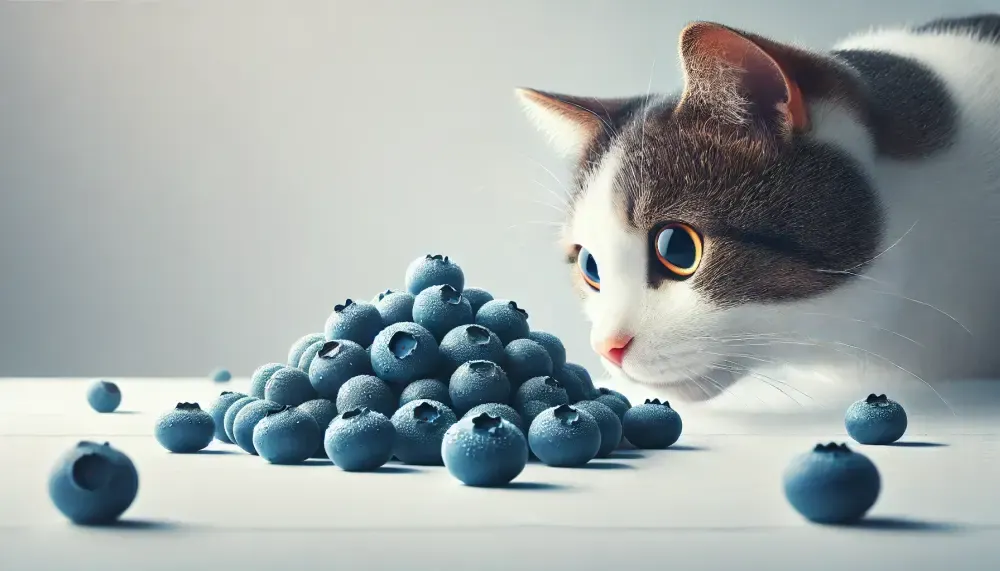
Cats can have a tiny amount of plain blueberry as an occasional novelty, but they do not need fruit and most will ignore it. Blueberries are not a grape-like toxin, and a berry or two, washed and served plain, is usually tolerated by a healthy cat. They are not a vitamin shortcut, and they should never be mixed with sweeteners, pie filling, or xylitol-sweetened snacks.
If you are unsure whether a food is safe, the ASPCA’s list of people foods to avoid feeding pets is a reliable starting point, and a veterinarian or poison-control professional should be called if a pet already ate something questionable.
If you are comparing this with other extras, we also have a guide on Can Cats Eat Apples? Only a Tiny, Seed-Free Piece.
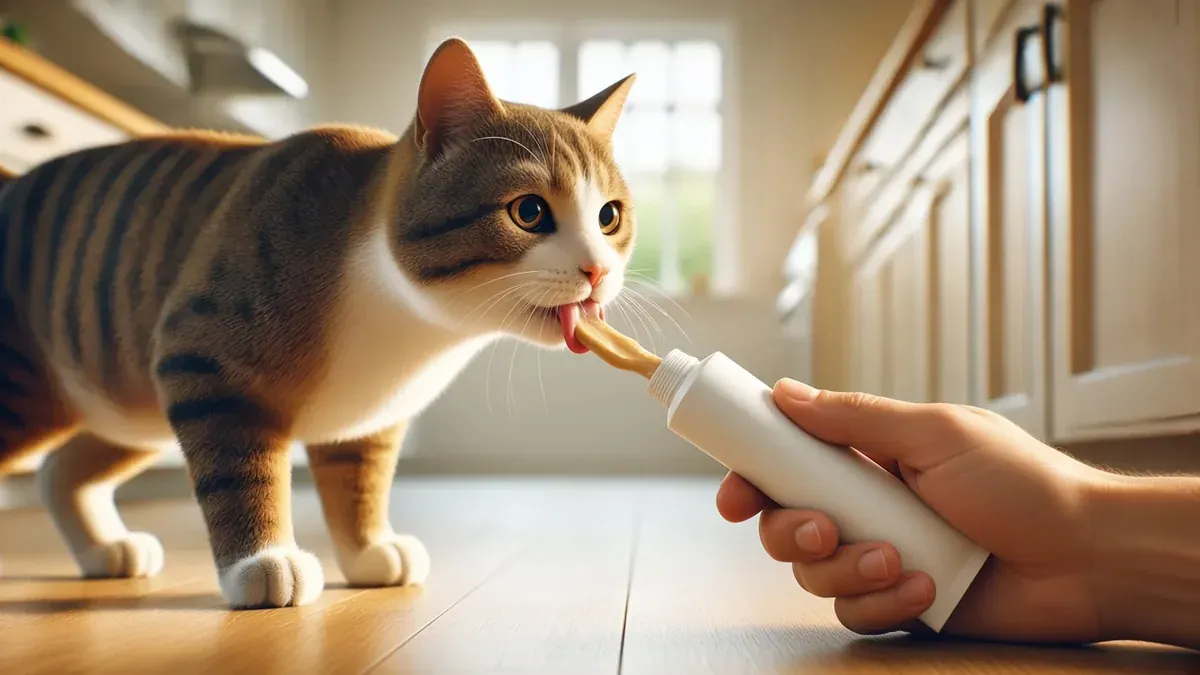
If you want a treat that actually fits a cat, a best lickable cat treats or a little complete best canned cat food is a more reliable choice. Stop if the fruit causes vomiting or diarrhea, and keep grapes and raisins completely away from pets.
Cats are curious creatures, often intrigued by our food choices, including fruits like blueberries. But are blueberries safe for cats to eat? The answer is yes, blueberries are generally safe for cats in moderation. This article explores the health benefits of blueberries, considerations when feeding them to cats, and tips for incorporating this fruit safely into your cat’s diet.
How to Safely Serve Blueberries to Your Cat
If you decide to offer blueberries to your cat, follow these steps to ensure it is a safe and enjoyable experience:
- Wash Thoroughly
Rinse the blueberries well to remove any pesticides or chemicals. Organic blueberries can reduce the risk of exposure to these substances. - Cut into Small Pieces
Whole blueberries may be too large for some cats to handle. Cutting them into halves or quarters can make it easier for your cat to eat and reduce the risk of choking, especially for smaller or older cats. - Serve Fresh or Frozen
Fresh blueberries are a simple and nutritious treat. Alternatively, some cats may enjoy the texture of frozen blueberries, particularly in hot weather. Just ensure the blueberries are small enough to avoid any choking hazard when frozen. - Offer in Moderation
Even though blueberries are safe for cats, they should only be given in moderation. Start with a small piece and see if your cat shows interest or has any adverse reactions. - Avoid Added Sugars or Flavors
Stick to plain blueberries without added sugars, syrups, or flavorings. These additives are not healthy for cats and can lead to digestive upset.
Potential Risks of Feeding Blueberries to Cats
While blueberries are generally safe, a few potential risks and concerns should be kept in mind:
- Digestive Upset
Some cats may have a sensitive stomach and react to new foods. Signs of digestive upset include vomiting or diarrhea. If your cat shows any adverse reactions, it’s best to discontinue feeding blueberries. - Choking Hazard
Blueberries are small but still present a choking risk, especially for young kittens or cats who tend to gulp their food. Ensure the berries are cut into manageable sizes, and observe your cat while they eat. - Allergic Reactions
Although rare, some cats may be allergic to blueberries. Watch for signs of an allergic reaction, such as excessive itching, swelling, or difficulty breathing, and contact your veterinarian if these symptoms occur. - Impact on Cats with Diabetes
Blueberries contain natural sugars, which may affect blood sugar levels in diabetic cats. For cats with diabetes, it’s advisable to consult your veterinarian before introducing blueberries or any other fruits into their diet.
How Many Blueberries Can a Cat Eat?
For cats who enjoy blueberries, limit the intake to one or two berries per serving, once or twice a week. Since cats have specific dietary needs centered around animal-based proteins, blueberries should be an occasional treat rather than a staple in their diet.
Creative Ways to Give Blueberries to Your Cat
If your cat shows an interest in blueberries, here are a few creative and fun ways to serve them:
- Blueberry Puree
Mash a blueberry or two into a smooth puree and mix a small amount into your cat’s regular food. This is a simple way to introduce the flavor without overwhelming your cat. - Frozen Blueberry ‘Ice Cube’
Place one or two blueberries in an ice cube tray with water and freeze. This treat can keep your cat cool during hot days and provide a refreshing snack. - Mixed with Wet Food
Add a small portion of finely diced blueberry pieces to your cat’s wet food. This option allows them to taste the fruit alongside their usual meal. - Blueberry Smoothie
Blend one or two blueberries with a small amount of plain, unsweetened yogurt or water. Pour a tiny bit of this mixture over your cat’s food as an occasional treat. Note that not all cats tolerate dairy, so consult your vet if your cat has a known sensitivity.
Are Blueberries a Good Treat for Cats?
In moderation, blueberries can be a safe and enjoyable treat for cats. While they don’t offer significant nutritional benefits tailored to a cat’s needs, they are low in calories, hydrating, and rich in antioxidants. Many cats may find the taste intriguing, making blueberries a unique option for occasional snacks. However, as obligate carnivores, cats require a diet based primarily on animal proteins. Blueberries and other fruits should only serve as minor supplements to their regular, protein-rich meals.
If your cat enjoys the occasional blueberry, it can be a fun bonding experience to share this treat. Always introduce new foods slowly, observe for any adverse reactions, and consult your veterinarian if you have any questions about your cat’s specific dietary needs.