Anxiety in Cats: Understanding and Addressing Feline Stress
We earn from qualifying Amazon purchases. It doesn't change what we recommend.
Anxiety is one reason a cat may act different, but illness is another; see sick cat symptoms if your cat suddenly seems off.
This is general information, not a diagnosis. The Merck Veterinary Manual cat-owner pages are a reliable place to read more before you talk with your veterinarian.
Anxiety in cats is a prevalent issue that often goes unnoticed by pet owners. Cats, like humans, experience stress and anxiety, which can significantly affect their well-being and behavior. Understanding the causes, recognizing the symptoms, and knowing how to address anxiety in cats is crucial for pet owners to ensure their feline companions lead happy and healthy lives.
Causes of Anxiety in Cats
Anxiety in cats can stem from various sources, including environmental changes, past trauma, lack of socialization, genetic predisposition, and medical issues. Significant changes in a cat’s environment, such as moving to a new home, introducing new pets or family members, or even rearranging furniture, can trigger anxiety. Traumatic experiences, such as accidents, abuse, or neglect, can also lead to long-lasting anxiety issues. Additionally, some cats are naturally more prone to anxiety due to their genetic makeup or because they were not properly socialized as kittens.
Symptoms of Anxiety in Cats
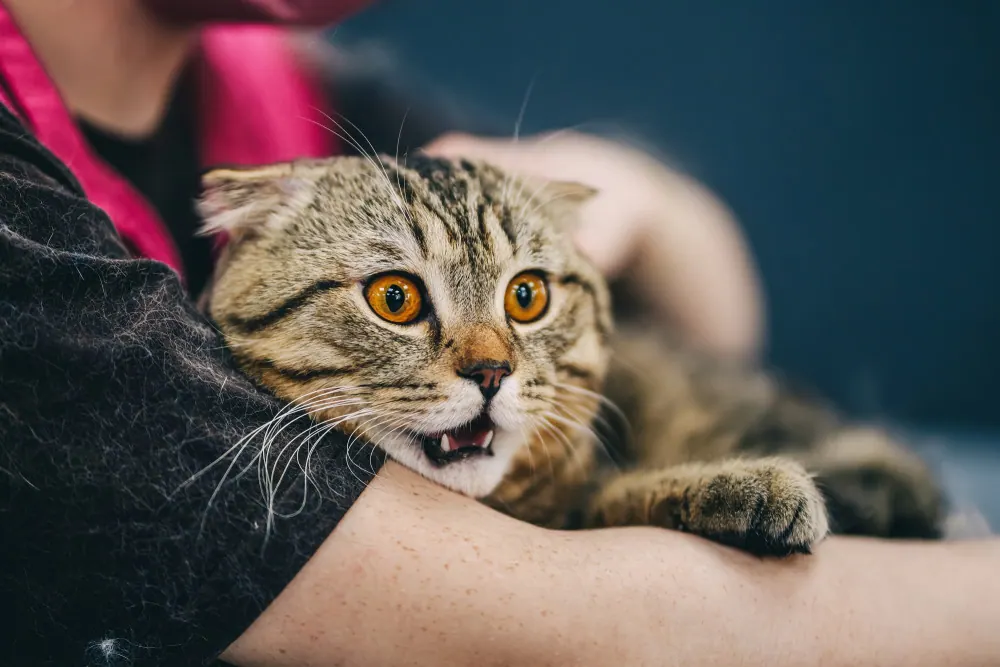
Recognizing the signs of anxiety in cats is the first step towards helping them. Symptoms can vary widely and may include hiding, aggression, excessive grooming, urinating or defecating outside the litter box, changes in appetite, and vocalization. It’s important to note that these symptoms can also indicate medical issues, so a thorough veterinary examination is necessary to rule out any underlying health problems.
Addressing Anxiety in Cats
Creating a Safe Environment
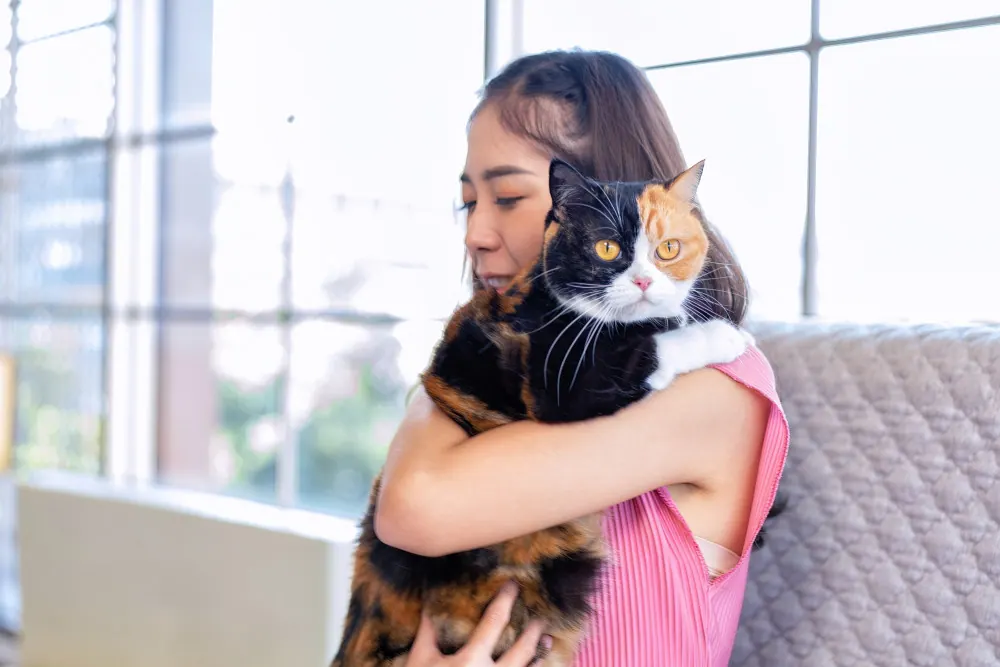
Ensuring your cat feels safe and secure in their environment is essential for reducing anxiety. This includes providing access to quiet hiding spots, comfortable resting areas, and a consistent routine. Cats also benefit from having a predictable schedule for feeding, play, and interaction.
Environmental Enrichment
Stimulating your cat’s environment can help alleviate anxiety by providing mental and physical stimulation. This can include interactive toys, scratching posts, and perches or cat trees that allow your cat to observe their surroundings from a safe height. Regular playtime is also crucial for reducing stress and strengthening the bond between you and your cat.
Behavior Modification
Behavior modification techniques can be effective in managing anxiety in cats. This might involve gradually exposing your cat to the source of their anxiety in a controlled manner, combined with positive reinforcement to encourage calm behavior. Consulting with a veterinarian or a veterinary behaviorist is advisable to develop a tailored behavior modification plan.
Medication and Supplements
In some cases, medication or supplements may be necessary to help manage anxiety in cats. These should only be used under the guidance of a veterinarian, as they can advise on the most appropriate treatment based on your cat’s specific needs. Options may include anti-anxiety medications, pheromone diffusers, or natural supplements designed to promote relaxation.
Consultation with Professionals
Sometimes, professional help from a veterinarian or a veterinary behaviorist is necessary to address anxiety in cats effectively. They can offer personalized advice and treatment plans, including behavior modification strategies, environmental adjustments, and, if needed, medication.
Conclusion
Anxiety in cats is a complex issue that requires understanding, patience, and a proactive approach from cat owners. By recognizing the signs of anxiety, creating a supportive environment, and seeking professional advice when necessary, it’s possible to manage anxiety effectively and improve the quality of life for your feline friend. Remember, every cat is unique, and what works for one may not work for another; therefore, it’s essential to tailor your approach to meet the specific needs of your cat.
Addressing anxiety in cats not only contributes to their physical health but also strengthens the emotional bond between cats and their owners. With the right strategies, you can help your cat lead a more relaxed and content life, ensuring they remain a cherished and happy member of your family.