Why Some Dogs Snuggle and Others Don’t
For general pet-health questions, the AVMA pet-owner resources are a reliable starting point, and your veterinarian should guide individual decisions.
Dogs are beloved companions, and one of the many joys of having a dog is the affection they offer. However, not all dogs are equally snuggly. Some will curl up next to you at every opportunity, while others prefer to keep a bit more distance. If you’ve ever wondered why some dogs love to snuggle and others don’t, you’re not alone. This article explores the reasons behind these differing behaviors and offers insights into understanding your dog’s unique personality.
Understanding Canine Personalities
Just like humans, dogs have their own personalities. These personalities are influenced by a variety of factors, including genetics, early life experiences, and breed characteristics. Some dogs are naturally more affectionate and crave physical closeness, while others are more independent and prefer their own space.
- Genetic Influence
- Genetics play a significant role in shaping a dog’s behavior. Breeds that were developed to work closely with humans, such as retrievers and spaniels, often have a natural tendency to be more affectionate and physically close to their owners. On the other hand, breeds that were bred for independence, such as some terriers or hounds, might not have the same desire for close physical contact.
- Early Socialization
- A dog’s experiences during the critical socialization period, which typically occurs between three and fourteen weeks of age, can greatly influence their comfort with physical contact. Dogs that were handled gently and regularly during this period are more likely to enjoy snuggling as adults. Conversely, dogs that had limited or negative experiences with touch may be more reserved.
- Individual Temperament
- Within the same breed, there can be significant differences in temperament. Even among siblings, one dog might be a cuddle bug while another prefers solitude. This variation is a natural part of individual personality differences and should be respected.
Why Some Dogs Love to Snuggle
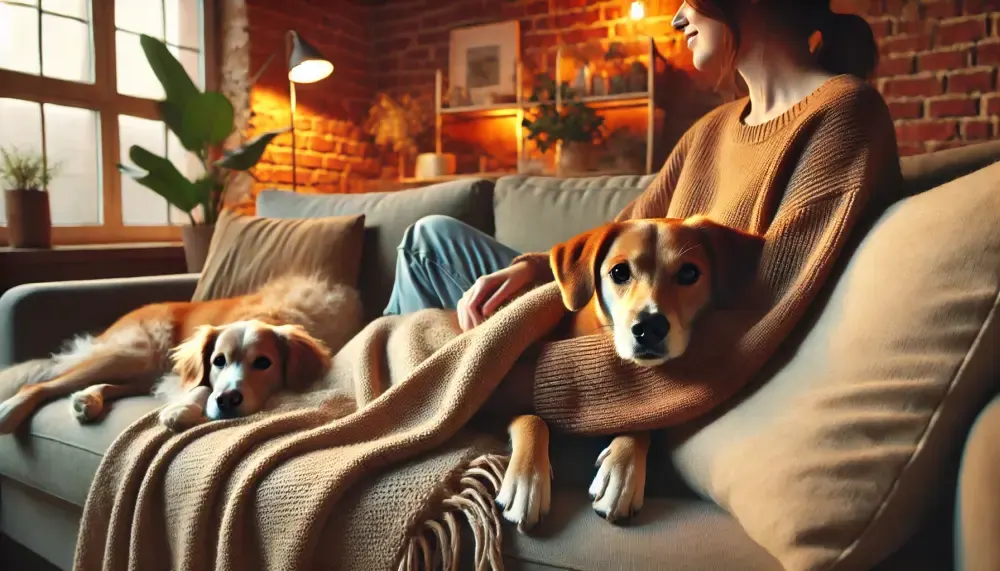
For some dogs, snuggling is second nature. These dogs seek out physical closeness as a way to bond with their owners. Here are some reasons why your dog might be a snuggler:
- Affection and Bonding
- Dogs are pack animals, and in a pack, closeness is a way of showing affection and reinforcing social bonds. When your dog snuggles up to you, they are likely expressing their affection and strengthening the bond between you.
- Comfort and Security
- Physical closeness can provide dogs with a sense of security. Just as a puppy feels safe and warm when nestled against its mother and littermates, an adult dog may find comfort in snuggling with its human family. This behavior can be especially prevalent in dogs that are more anxious or prone to stress.
- Warmth
- Dogs, especially those with shorter coats, may snuggle simply because they are seeking warmth. Your body heat provides a cozy, warm spot that’s hard for a dog to resist.
- Attention-Seeking
- Some dogs quickly learn that snuggling results in positive attention from their owners. They might nudge their way onto your lap or curl up next to you because they know it will result in petting, praise, or treats.
Why Some Dogs Prefer Space
On the flip side, some dogs aren’t as eager to snuggle. This doesn’t mean they don’t love you; it’s just that they express their affection differently. Here’s why your dog might prefer a little more space:
- Independence
- Certain breeds and individual dogs are naturally more independent. These dogs may be affectionate in their own way but are content to spend time alone and may not feel the need for constant physical contact.
- Heat Sensitivity
- Dogs with thick coats or those that live in warmer climates might avoid snuggling because they get too hot. For these dogs, lying on a cool floor might be more appealing than cuddling on a warm couch.
- Physical Discomfort
- If your dog has any physical discomfort, such as arthritis or an injury, they might avoid snuggling because it causes pain. Always be aware of any signs of discomfort in your dog and consult your veterinarian if you suspect a health issue.
- Past Experiences
- Dogs that have had negative experiences with being handled might be more cautious about close contact. This could be due to a previous owner who wasn’t gentle or a traumatic experience in their past. Over time, with patience and positive reinforcement, these dogs can learn to enjoy gentle affection.
How to Respect Your Dog’s Preferences
Whether your dog is a snuggler or prefers to keep their distance, it’s important to respect their individual preferences. Forcing a dog to snuggle when they aren’t comfortable can lead to stress and anxiety. Instead, focus on building trust and finding other ways to bond with your dog.
- Positive Reinforcement
- Reward your dog when they do choose to be close to you. Offer treats, praise, or gentle petting to create positive associations with physical closeness.
- Give Them Space
- If your dog prefers space, make sure they have a comfortable spot where they can retreat when they need time alone. Respect their need for independence and avoid overwhelming them with physical contact.
- Recognize Non-Physical Affection
- Some dogs show their love in ways other than snuggling. Pay attention to the other ways your dog expresses affection, such as following you from room to room, bringing you toys, or wagging their tail when they see you.
- Consult a Professional
- If you’re concerned about your dog’s behavior or if they suddenly stop snuggling, it’s a good idea to consult a veterinarian or a professional dog behaviorist. There may be underlying issues that need to be addressed.
Understanding why some dogs snuggle and others don’t is a key part of nurturing a healthy and happy relationship with your pet. Whether your dog is a cuddler or enjoys their own space, recognizing and respecting their preferences will help strengthen your bond. Each dog is unique, and their behavior is shaped by a combination of genetics, early experiences, and individual temperament. By paying attention to your dog’s cues and responding with love and patience, you can ensure that your dog feels safe, loved, and understood.