When to Transition Large-Breed Puppies to Adult Food: Wait Until Growth Is Mostly Done
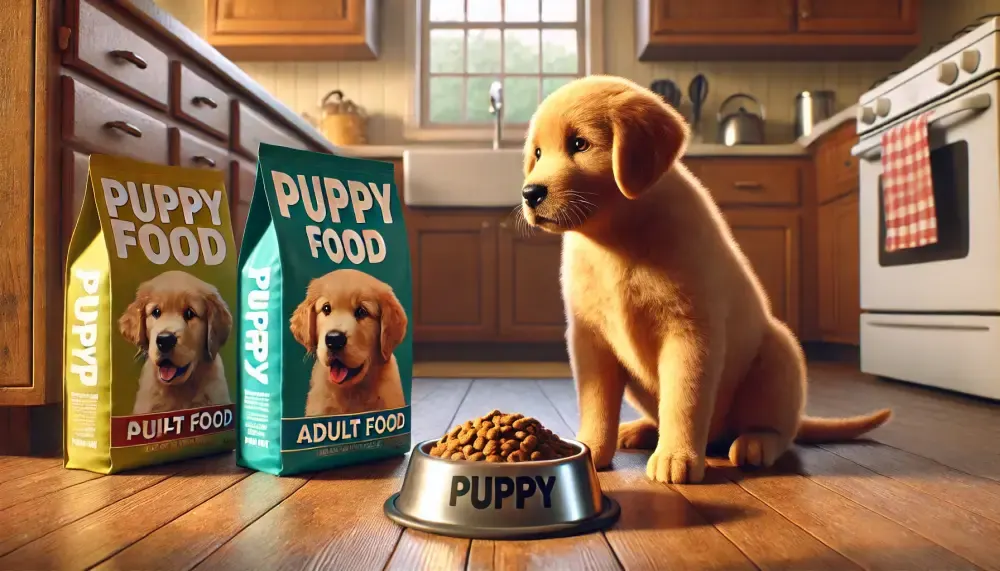
Large-breed puppies should stay on an appropriate growth formula until they have finished most of their growth, which often takes longer than it does for small dogs. There is no single birthday that fits every Labrador, German Shepherd, or other large puppy. Switching too early to an adult food, or feeding a rich adult food “to make them bigger,” is a poor plan. Follow the life-stage statement on the bag and the timing your veterinarian recommends, and transition gradually.
Look for a complete-and-balanced statement as explained in the FDA guidance on complete and balanced pet food and AAFCO’s consumer guide to understanding pet food. The WSAVA Global Nutrition Guidelines are a useful higher-level reference when you are choosing a food.
For the difference between puppy and adult foods, see the difference between puppy and adult dog food, plus best dog food for puppies and top dog food brands. Keep a healthy body condition during growth; extra weight is hard on developing joints.
As an Amazon Associate, we earn from qualifying purchases.
Making the switch from puppy food to adult food is a significant milestone in your dog’s life, especially for large breed puppies. Proper nutrition is vital to ensuring your furry friend grows into a strong and healthy adult. But when is the right time to make this transition, and how can you do it without upsetting your puppy’s digestive system? Here’s everything you need to know about transitioning large breed puppies to adult food.
Why the Transition Matters
Large breed puppies grow at a slower pace compared to their smaller counterparts, which makes it essential to get their diet just right. Puppy food is designed to meet the nutritional needs of growing dogs, containing higher levels of protein, fat, and essential nutrients that support healthy bone development and muscle growth. However, sticking to puppy food for too long can lead to weight gain and joint issues, especially in large breeds, where maintaining a healthy weight is crucial for avoiding conditions like hip dysplasia and arthritis.
Adult dog food is formulated to offer a balanced diet for dogs that have reached their full size and are less active than puppies. The key to making the switch is timing—it’s all about ensuring that your puppy has developed enough to move on from calorie-dense, nutrient-packed puppy food.
When Should You Transition?
For large breed puppies, the general rule of thumb is to transition them to adult food when they reach approximately 12 to 18 months of age. However, the exact time can vary depending on the breed, size, and individual puppy’s development. Some factors to consider include:
- Breed Size: Larger breeds like Great Danes and Mastiffs may need to stay on puppy food for up to 18 months, while medium-large breeds like Golden Retrievers or German Shepherds may be ready to transition around 12 months.
- Veterinarian’s Advice: Consulting your vet can provide valuable insights into your dog’s specific growth pattern, ensuring that the transition is timed perfectly for their unique needs.
- Growth Indicators: If your puppy has reached close to their full adult height and weight, it’s usually a good sign that they’re ready for adult food.
The Transition Process
Switching from puppy food to adult food should always be done gradually to avoid gastrointestinal upset. Sudden changes can lead to stomach issues like diarrhea or vomiting. Follow these steps to make the transition as smooth as possible:
- Start Slowly: Begin by mixing a small amount of adult food into your puppy’s current food, around 10% adult food and 90% puppy food.
- Increase Gradually: Over the course of 7 to 10 days, slowly increase the proportion of adult food while decreasing the puppy food. By the end of the transition, your puppy’s diet should consist of 100% adult food.
- Monitor Your Puppy: Keep an eye on your dog’s stool and overall health during the transition. If you notice any digestive issues, slow down the process and consult your vet if necessary.
- Choose High-Quality Adult Food: Select a high-quality adult dog food that meets the nutritional needs of large breed dogs. Look for formulas that support joint health, have a balanced protein-to-fat ratio, and include essential vitamins and minerals.
Choosing the Right Adult Food
Not all adult dog foods are created equal, so choosing one that caters to the specific needs of large breed dogs is crucial. Here are some things to look for:
- Joint Support: Large breed dogs are more prone to joint problems, so look for food that contains glucosamine and chondroitin.
- Balanced Nutrition: A proper balance of protein and fat is essential for maintaining muscle mass while preventing unnecessary weight gain.
- Omega-3 Fatty Acids: These promote healthy skin and coat while supporting brain function.
- Whole Ingredients: Ensure the food contains real meat and vegetables, with minimal fillers like corn or soy.
See top-rated Best Adult Dog Food on Amazon
Signs Your Puppy Is Ready for Adult Food
While age is a good indicator, there are other signs that your large breed puppy may be ready for adult food:
- Slower Growth: If your puppy’s rapid growth has started to slow down and they are approaching their expected adult size, it may be time to transition.
- Weight Stability: Once your puppy has reached a healthy weight for their breed, it’s a signal that they don’t need the extra calories from puppy food anymore.
- Energy Levels: Puppies are bundles of energy, but as they mature, their activity levels may decrease slightly, meaning they need fewer calories.
Common Transition Challenges
The transition from puppy to adult food isn’t always smooth, and some dogs may be more sensitive to changes in their diet. Here are some common challenges you might face and how to handle them:
- Refusal to Eat: Some dogs are picky eaters and might initially refuse adult food. If this happens, try mixing a small amount of wet food with the adult kibble to make it more enticing.
- Digestive Issues: Diarrhea or vomiting can occur if the transition is too fast. In such cases, slow down the process and give your puppy’s digestive system time to adjust.
- Weight Management: Keep an eye on your dog’s weight throughout the transition. Overfeeding or switching too late can lead to weight gain. Adjust portion sizes as necessary and consult your vet for guidance.
Transitioning large breed puppies to adult food is a critical step in ensuring they grow into healthy, happy adults. By monitoring your puppy’s development, choosing the right time, and making the switch gradually, you can avoid common pitfalls and set your furry friend up for a long, healthy life. Always consult your vet for personalized advice and ensure that the adult food you select provides the right balance of nutrients for your large breed dog.
With a little planning and patience, this transition can be seamless, keeping your pup healthy and active as they move into their adult years.


