Best Family Dog Breeds? Training and the Individual Dog Matter More

Some dog breeds are often a good fit for families because of size, typical sociability, or energy, but no breed is a guarantee of a gentle family dog. An individual dog’s history, health, training, and how children are taught to behave around the dog matter more than a top-10 list. “Family-friendly” still means supervision, manners, exercise, and veterinary care. A tired, well-trained dog of a so-called difficult breed can be a better housemate than an untrained dog from a popular family list.
For training methods and foundation skills, the AKC expert advice on dog training is a trustworthy overview.
If a quieter household is the goal, see our list of the quietest dog breeds for peaceful homes, remembering that an individual dog can still be vocal.
If you are comparing types of dogs or cats, we also cover Top Hunting Dog Breeds? Match the Work and the Individual Dog, Not a Ranking.
Meet the individual dog, ask about socialization and health, and be honest about your time and space. Our notes on best dog food for Labs, whether Beagles are smart dogs, and best indoor dog breeds breeds are starting points, not promises. Budget for food, best dog toys guide, chew-resistant dog beds, and training, and never leave a baby or young child alone with any dog.
Choosing the right dog breed for your family is a decision that requires careful consideration. With countless breeds to choose from, it’s essential to consider factors such as temperament, energy level, size, and compatibility with children. A family dog not only brings joy and companionship but also becomes an integral part of your household. In this article, we explore the top 10 dog breeds that are known for their loyalty, friendliness, and suitability for family life.
Choosing the Right Dog: A Guide for Families
When families consider adding a dog to their household, it’s crucial to choose a breed that aligns with their lifestyle, living conditions, and the ages of any children in the home. Families should assess their ability to meet the exercise needs of different breeds, particularly if they are considering high-energy dogs. The size of the home, the presence of a yard, and the amount of time available to spend with the dog are also important factors. Families with allergies might prefer hypoallergenic breeds, and those with young children should look for breeds known for their gentleness and patience. It’s also wise to think about the financial aspect of dog ownership, including food, veterinary care, grooming, and other potential expenses. By thoroughly evaluating these factors, families can ensure they choose a dog that will integrate well into their home and bring joy for years to come.
Top 10 Dog Breeds for Family-Friendly Homes
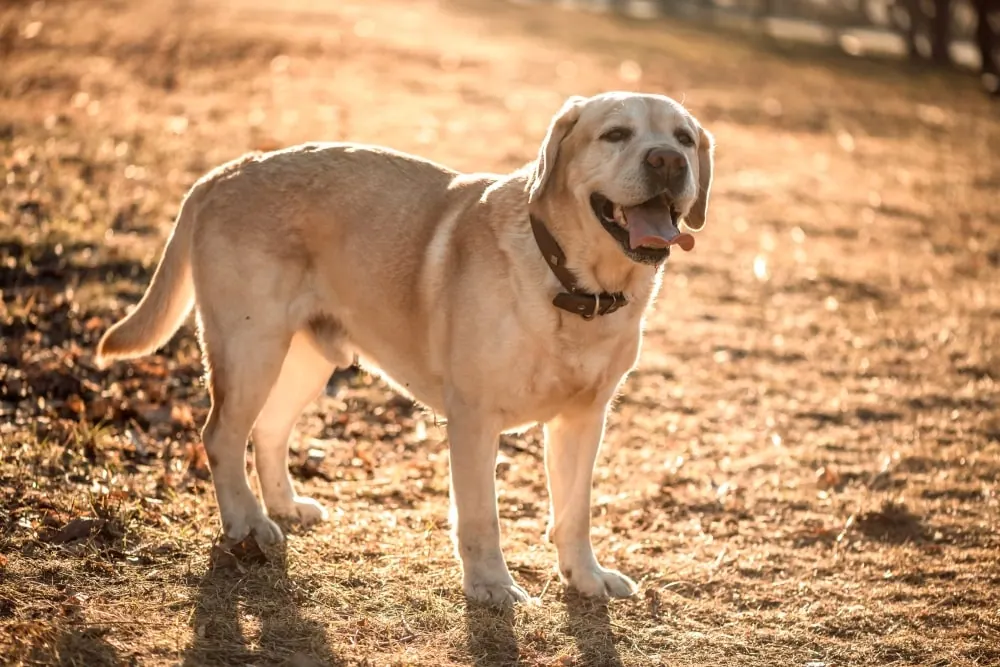
1. Labrador Retriever
The Labrador Retriever has been one of the most popular dog breeds for families for many years. Known for their friendly nature and high energy levels, Labradors are excellent with children and thrive in a family environment. They are also highly trainable and often used as service dogs due to their obedient and gentle demeanor.
- Size: Large
- Life Expectancy: 10-12 years
- Health Issues: Prone to hip and elbow dysplasia, obesity
- Temperament: Friendly, outgoing, high-spirited
- Energy Level: High
- Coat Type: Short, dense, water-resistant, sheds moderately
- Trainability: Very high
- Barking Tendencies: Moderate
- Exercise Needs: High; needs daily vigorous exercise
- Intelligence: Very intelligent
- Protective Nature: Mild; friendly with strangers
- Climate Suitability: Adapts well to both cold and warm climates
- Social Needs: Very high; thrives on human interaction
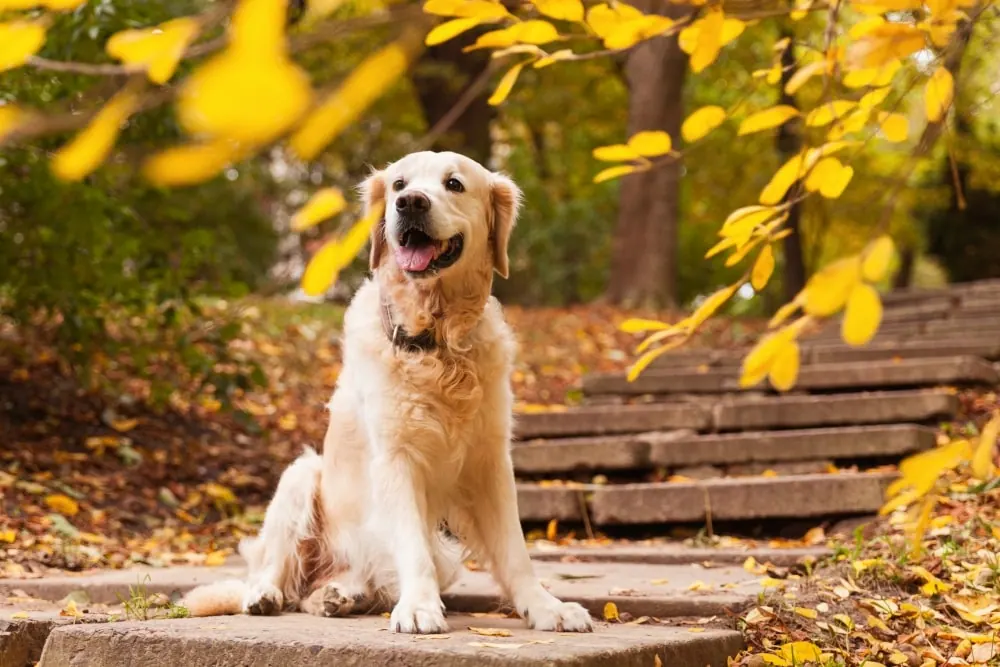
2. Golden Retriever
Similar to the Labrador, the Golden Retriever is a devoted and playful breed that loves spending time with its family. They are particularly gentle with children and known for their patience. Golden Retrievers are also eager to please and easy to train, making them ideal for first-time dog owners.
- Size: Large
- Life Expectancy: 10-12 years
- Health Issues: Susceptible to cancer, hip dysplasia, heart issues
- Temperament: Intelligent, friendly, reliable
- Energy Level: High
- Coat Type: Dense, water-repellent, requires regular grooming
- Trainability: High
- Barking Tendencies: Low
- Exercise Needs: High; enjoys play and active exercise
- Intelligence: Highly intelligent
- Protective Nature: Friendly, not particularly guard-oriented
- Climate Suitability: Better in cooler climates due to thick coat
- Social Needs: High; very social and family-oriented
3. Beagle
The Beagle is a small to medium-sized breed that is both adventurous and affectionate. These dogs are curious and have a keen sense of smell. They get along well with children and other pets, making them a great addition to any family. Beagles are also known for their merry dispositions and friendly personalities.
- Size: Small to medium
- Life Expectancy: 12-15 years
- Health Issues: Prone to obesity, epilepsy, and dental issues
- Temperament: Curious, merry, friendly
- Energy Level: Medium to high
- Coat Type: Short, hard coat, moderate shedding
- Trainability: Medium (can be stubborn)
- Barking Tendencies: High; likes to howl and bark
- Exercise Needs: Moderate; needs regular walks and playtime
- Intelligence: Intelligent but easily distracted by scents
- Protective Nature: Low; friendly with everyone
- Climate Suitability: Adaptable to most climates
- Social Needs: High; does not like being alone

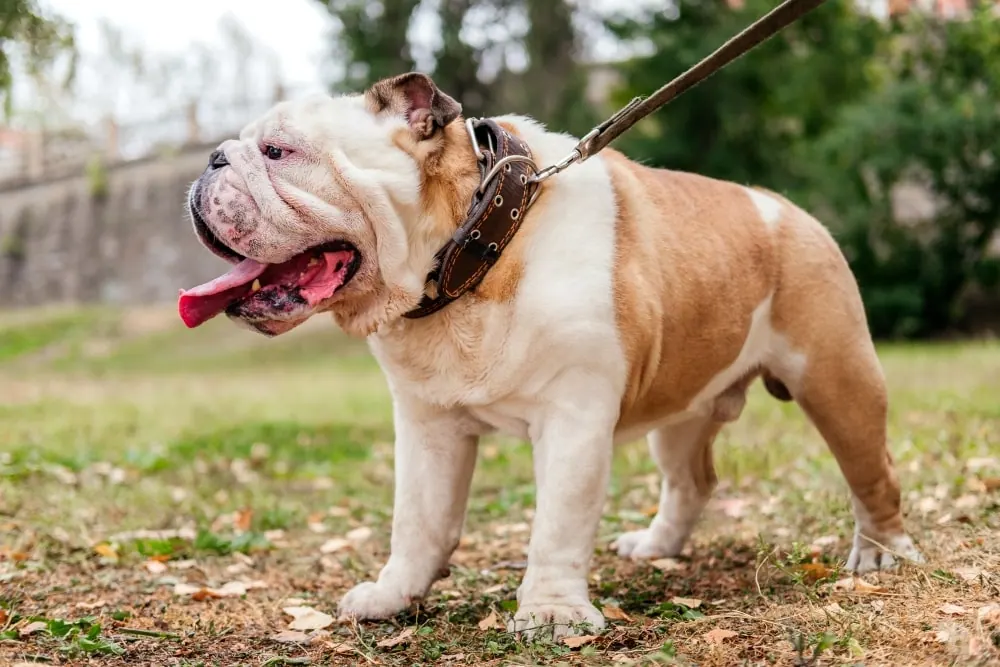
4. Bulldog
Bulldogs are well-suited to both large homes and small apartments. They are particularly good with children and have a gentle disposition. Although they may not have high energy levels, Bulldogs enjoy short walks and plenty of affection. Their lovable and laid-back personality makes them excellent companions for children of all ages.
- Size: Medium
- Life Expectancy: 8-10 years
- Health Issues: Breathing problems, skin infections, joint issues
- Temperament: Docile, willful, friendly
- Energy Level: Low
- Coat Type: Short, smooth coat, minimal shedding
- Trainability: Medium; can be stubborn
- Barking Tendencies: Low
- Exercise Needs: Low; needs only light exercise
- Intelligence: Average
- Protective Nature: Moderate; good watchdog
- Climate Suitability: Best in moderate climates; struggles with heat
- Social Needs: Medium; enjoys human company but can be independent
5. Boxer
Boxers are playful and energetic dogs that love to be around their family. Known for their protective nature, Boxers make great watchdogs. They are also known for their boundless energy and fun-loving spirit, which makes them perfect for families with active children.
- Size: Large
- Life Expectancy: 10-12 years
- Health Issues: Prone to cancer, heart conditions, hip dysplasia
- Temperament: Playful, energetic, loyal
- Energy Level: High
- Coat Type: Short, smooth, sheds moderately
- Trainability: High
- Barking Tendencies: Moderate
- Exercise Needs: High; needs plenty of vigorous exercise
- Intelligence: Very intelligent
- Protective Nature: High; excellent guard dog
- Climate Suitability: Adaptable to most climates
- Social Needs: Very high; thrives on family interaction

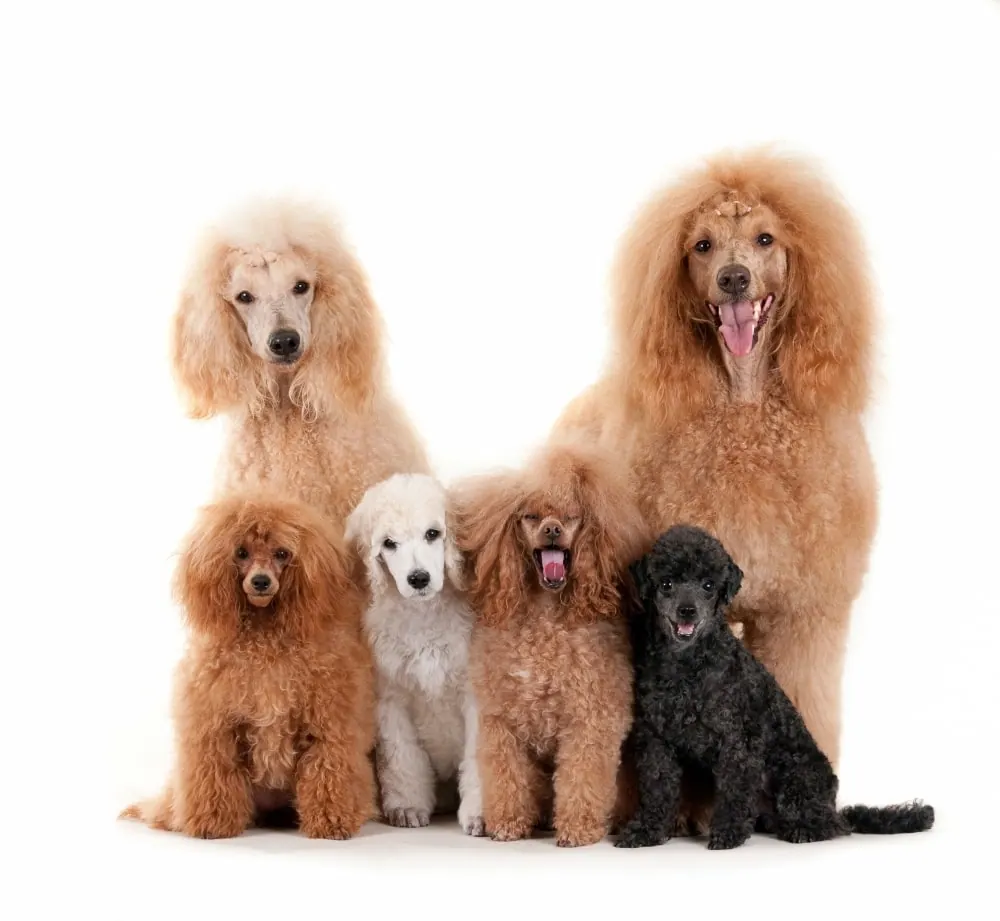
6. Poodle
Poodles come in three sizes (standard, miniature, and toy) and are incredibly intelligent and easy to train. They are hypoallergenic, making them a great choice for families with allergies. Poodles are also known for their gentle nature and are highly sociable with both humans and other animals.
- Size: Comes in three sizes: toy, miniature, and standard
- Life Expectancy: 12-15 years
- Health Issues: Prone to genetic disorders like hip dysplasia, eye diseases
- Temperament: Intelligent, alert, active
- Energy Level: High
- Coat Type: Curly, hypoallergenic, requires regular grooming
- Trainability: Very high
- Barking Tendencies: Moderate
- Exercise Needs: Moderate to high
- Intelligence: Highly intelligent
- Protective Nature: Moderate; cautious with strangers
- Climate Suitability: Adaptable to most climates
- Social Needs: High; does not do well with infrequent human contact
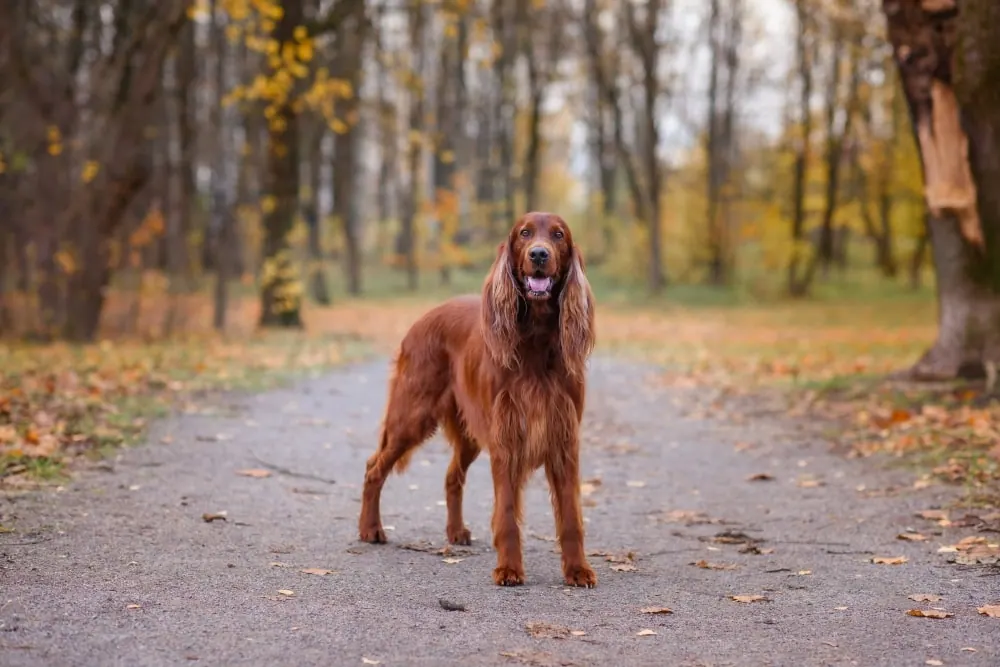
7. Irish Setter
Known for its beautiful red coat and friendly disposition, the Irish Setter is energetic and loves to play. This breed is particularly great with children and enjoys being part of a family’s daily activities. Irish Setters are also known for their trainability and will thrive in a home that can provide them with plenty of exercise and attention.
- Size: Large
- Life Expectancy: 12-14 years
- Health Issues: Can be prone to bloat, hip dysplasia, and ear infections
- Temperament: Energetic, outgoing, sweet-natured
- Energy Level: Very high
- Coat Type: Long, silky, requires regular grooming
- Trainability: High
- Barking Tendencies: Moderate
- Exercise Needs: Very high; needs lots of daily activity
- Intelligence: Very intelligent
- Protective Nature: Low; friendly with everyone
- Climate Suitability: Better in cooler climates
- Social Needs: Very high; needs constant interaction
8. Vizsla
The Vizsla, also known as the Hungarian Pointer, is one of the best family dogs due to its loyal and gentle nature. They are highly active and thrive on attention from their human companions. Vizslas are affectionate and prefer to be close to their family, making them great for homes where someone is usually around.
- Size: Medium to large
- Life Expectancy: 10-14 years
- Health Issues: Prone to hip dysplasia, skin and thyroid issues
- Temperament: Loyal, gentle, affectionate
- Energy Level: High
- Coat Type: Short, smooth, easy to maintain
- Trainability: Very high
- Barking Tendencies: Low
- Exercise Needs: High; needs vigorous daily exercise
- Intelligence: Highly intelligent
- Protective Nature: Medium; somewhat protective
- Climate Suitability: Adaptable to most climates
- Social Needs: Extremely high; forms strong bonds and hates being alone

9. Newfoundland
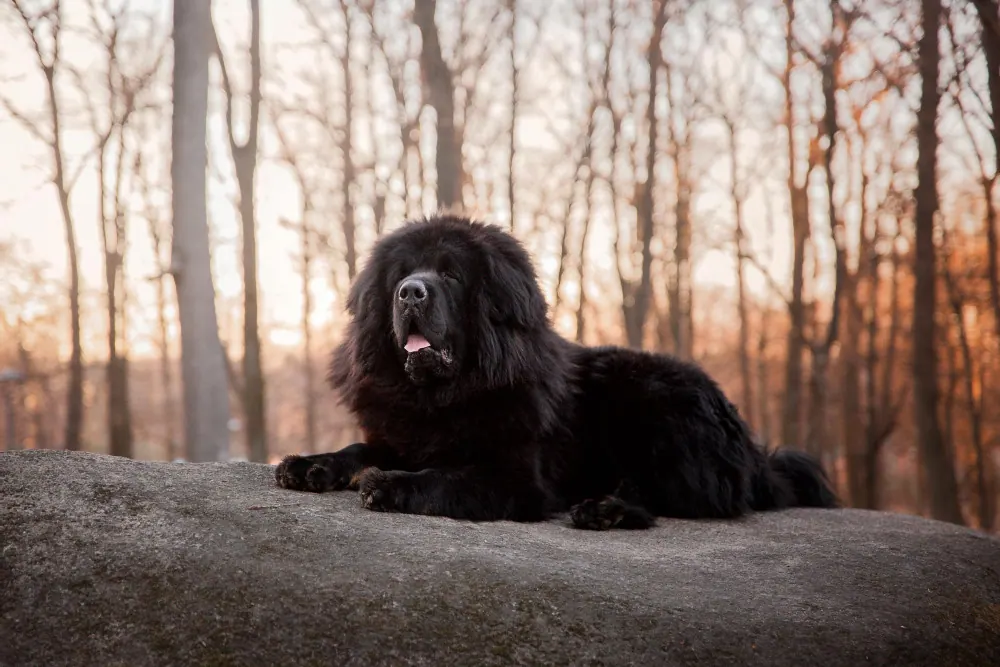
Newfoundlands are known for their incredible size and equally big hearts. They are particularly good with children and are often referred to as “nanny dogs” because of their protective nature. Despite their size, Newfoundlands are gentle giants and are known for their calm and docile temperament.
- Size: Giant
- Life Expectancy: 8-10 years
- Health Issues: Prone to heart disease, hip dysplasia, and bloat
- Temperament: Gentle, docile, protective
- Energy Level: Moderate
- Coat Type: Thick, heavy, requires regular grooming
- Trainability: High
- Barking Tendencies: Low
- Exercise Needs: Moderate; needs regular, gentle exercise
- Intelligence: Very intelligent
- Protective Nature: High; excellent natural lifesaver and protector
- Climate Suitability: Better in cooler climates
- Social Needs: High; very affectionate with family
10. Collie
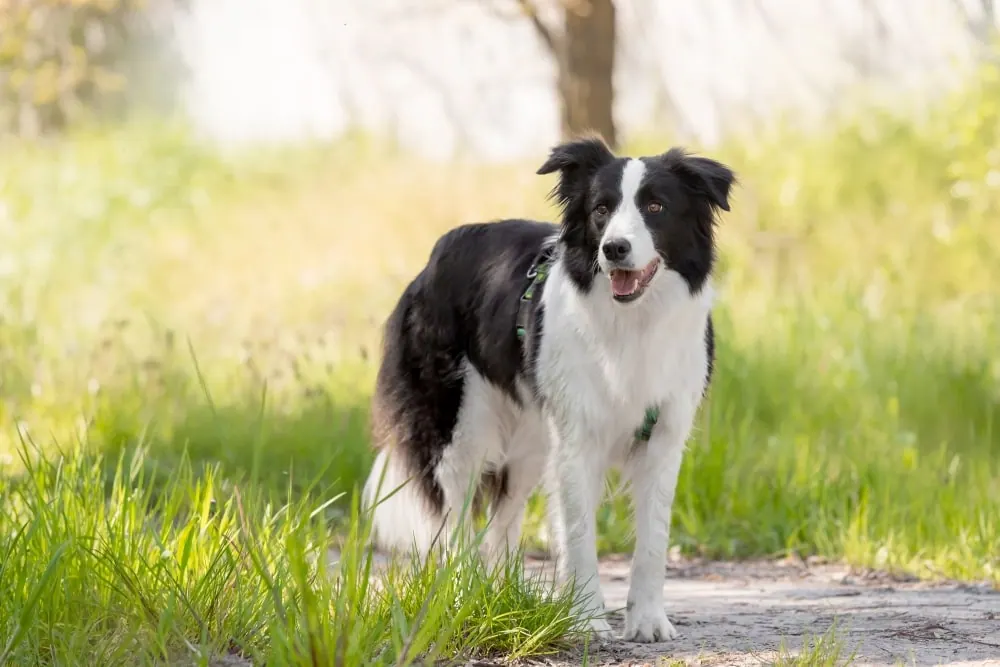
Collies are well-known for their predictable and easy-going nature. They are excellent with children and are famously known as the breed of Lassie, the television star. Collies are protective yet gentle, and they are both intelligent and very trainable.
- Size: Medium to large
- Life Expectancy: 12-14 years
- Health Issues: Can be prone to eye anomalies and hip dysplasia
- Temperament: Graceful, devoted, proud
- Energy Level: High
- Coat Type: Long, dense, requires regular grooming
- Trainability: Very high
- Barking Tendencies: High; vocal breed
- Exercise Needs: High; needs active daily exercise
- Intelligence: Highly intelligent
- Protective Nature: High; very protective of family members
- Climate Suitability: Adaptable to most climates
- Social Needs: High; needs frequent interaction
Conclusion
When choosing a dog breed for your family, it’s important to consider your living situation, family members’ energy levels, and the time you can dedicate to your new pet. Each of the breeds listed above has unique characteristics that make them suitable for family life. Whether you’re looking for a playful companion for your children, a gentle giant, or a loyal protector, there is a breed that will perfectly match your family’s lifestyle.
With the right preparation and consideration, adding a dog to your family can be a joyful and enriching experience for everyone involved.