Things You Didn’t Know About a Cat’s Whiskers

Have you ever wondered about those magnificent bristles adorning your feline friend’s face? Cat whiskers, scientifically known as vibrissae, are far more than just stylish facial hair. These specialized sensory organs play a crucial role in a cat’s daily life, from navigating tight spaces to hunting prey. Let’s delve into the fascinating world of cat whiskers and uncover their hidden secrets.
For general feline health context, the Merck Veterinary Manual cat-owner pages are a reliable starting point, and your veterinarian should guide individual decisions.
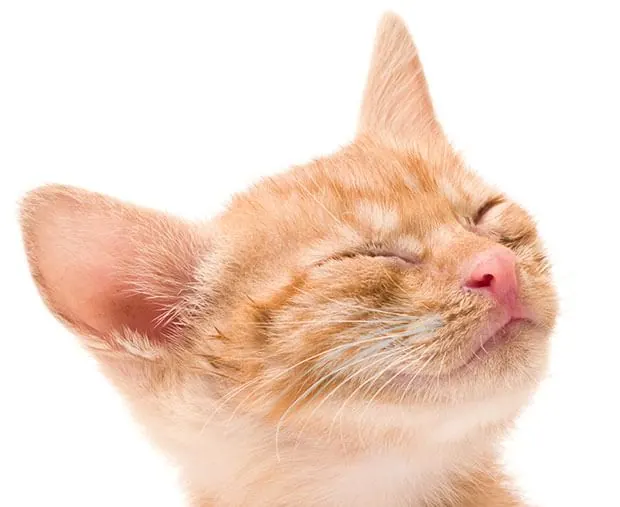
20 Fun Facts And Things You Didn’t Know About The Cat’s Whiskers
1. High-Tech Sensors
Cat whiskers aren’t just regular hairs. They are deeply rooted in the skin and connected to a rich network of nerves and blood vessels. This makes them incredibly sensitive to touch and air currents. Each whisker acts as a miniature antenna, providing the cat with valuable information about its surroundings.
2. Seeing in the Dark
While cats have excellent night vision, their whiskers act as a backup system in low-light conditions. By sensing subtle changes in air pressure and vibrations, whiskers help cats detect nearby objects, even if they can’t see them clearly.
3. Precise Navigation
Ever wonder how your cat effortlessly maneuvers through tight spaces? Whiskers are the secret weapon. The length of a cat’s whiskers typically corresponds to the width of its body. This allows them to gauge whether they can fit through openings without getting stuck.
4. Essential for Hunting
Whiskers are not just for navigating furniture; they are also crucial for a cat’s hunting prowess. By sensing the slightest movements of their prey, whiskers help cats determine the exact location and size of their target, even in complete darkness.
5. Communicating Emotions
Did you know that a cat’s whiskers can reveal its mood? Relaxed whiskers indicate a calm and content cat, while whiskers pointing forward signify alertness or excitement. Flattened whiskers against the cheeks often signal fear or aggression.
6. Not Just on the Face
While the most prominent whiskers are on a cat’s face, they also have shorter whiskers above their eyes, on their chin, and even on the back of their front legs. These additional whiskers help with various tasks, such as detecting prey vibrations and protecting their eyes.
7. Whisker Fatigue is Real
Cats can experience whisker fatigue or stress if their whiskers are constantly bumping against something, such as the sides of a food bowl. This can cause discomfort and anxiety. Opting for wider, shallow bowls can help prevent this issue.
8. Whiskers Grow Back
Like other hairs, cat whiskers shed and grow back naturally. However, it’s important never to trim or cut a cat’s whiskers, as this can significantly impair their sensory abilities and cause disorientation.
9. Unique Whisker Pattern
Just like fingerprints in humans, each cat has a unique whisker pattern. This pattern helps researchers identify individual cats in wildlife studies.
10. Sign of Health
Healthy whiskers are generally thick and straight. Brittle, broken, or missing whiskers can be a sign of underlying health issues and should be checked by a veterinarian.
11. Whisker “Words”
Cats can actually move their whiskers independently, and the specific positions and movements can convey subtle messages to other cats.
12. Whisker Math
The length of a cat’s whiskers is roughly proportional to the width of their body, acting as a built-in measuring tape to judge tight spaces.
13. Whisker Variety
While most cats have 12 whiskers on each cheek, the total number can vary slightly, but it’s always an even number for balanced perception.
14. Kitten Whiskers
Kittens are born with whiskers, and they begin using them immediately to navigate their surroundings and find their mother’s milk.
15. Vibrissae Vocabulary
The scientific term for whiskers, “vibrissae,” comes from the Latin word “vibrare,” meaning “to vibrate,” highlighting their sensitivity to movement.
16. Carpal Whiskers
Cats have specialized whiskers on the back of their front legs, called carpal vibrissae, which help them sense vibrations and detect prey movements as they pounce.
17. Genetic Whisker Code
The pattern and arrangement of a cat’s whiskers are determined by their genes, making each pattern unique like a fingerprint.
18. Whisker Regeneration
If a cat loses a whisker, it will eventually grow back, but it takes time, so be careful not to accidentally pull one out.
19. Whisker Evolution
Whiskers have evolved in various mammals, including cats, dogs, rodents, and even seals, adapting to different environments and functions.
20. Whisker Inspiration
Cat whiskers have inspired engineers to develop innovative technologies like tactile sensors for robots and autonomous vehicles.
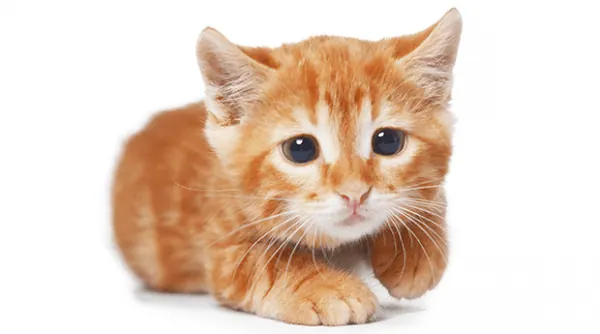
Cat whiskers are truly remarkable sensory organs that play a vital role in a cat’s daily life. They are much more than just facial adornments; they are essential tools for navigation, hunting, communication, and overall well-being. By understanding the importance of whiskers, we can appreciate our feline companions even more and ensure their sensory needs are met.