Tapeworm in Cats: Understanding, Treating, and Preventing
Tapeworm infestations in cats are a common yet concerning issue for many pet owners. These parasitic worms can cause various health problems in felines if left untreated. This article explores the symptoms, treatments, and preventive measures for tapeworms in cats to help you ensure the well-being of your beloved pet.
As an Amazon Associate, we earn from qualifying purchases.
What Are Tapeworms?
Tapeworms are flat, segmented worms that live in the intestines of animals, including cats. The most common species affecting cats is Dipylidium caninum, though other species such as Taenia taeniaeformis can also be found. These parasites attach to the intestinal walls and absorb nutrients, leading to potential health issues for the host.
How Do Cats Get Tapeworms?
Cats typically acquire tapeworms through intermediate hosts such as fleas or rodents. Here’s a breakdown of the common transmission methods:
- Fleas: The most frequent cause of tapeworms in cats is flea ingestion. Flea larvae ingest tapeworm eggs, and when a cat grooms itself and swallows an infected flea, the tapeworm larvae are released into the cat’s intestines.
- Rodents: Cats that hunt and consume rodents are at risk of contracting tapeworms from their prey. Rodents can carry tapeworm larvae, which infect the cat upon ingestion.
Symptoms of Tapeworm Infestation in Cats
Recognizing the signs of a tapeworm infestation in cats is crucial for early intervention. Common symptoms include:
- Visible Segments: The most noticeable sign is the presence of tapeworm segments around the cat’s anus or in their feces. These segments resemble grains of rice or cucumber seeds.
- Weight Loss: Despite having a normal or increased appetite, infected cats may lose weight due to nutrient absorption by the tapeworms.
- Scooting: Cats may drag their rear ends across the floor due to irritation caused by the tapeworm segments.
- Vomiting and Diarrhea: In some cases, tapeworms can cause gastrointestinal distress, leading to vomiting or diarrhea.
Diagnosing Tapeworms in Cats
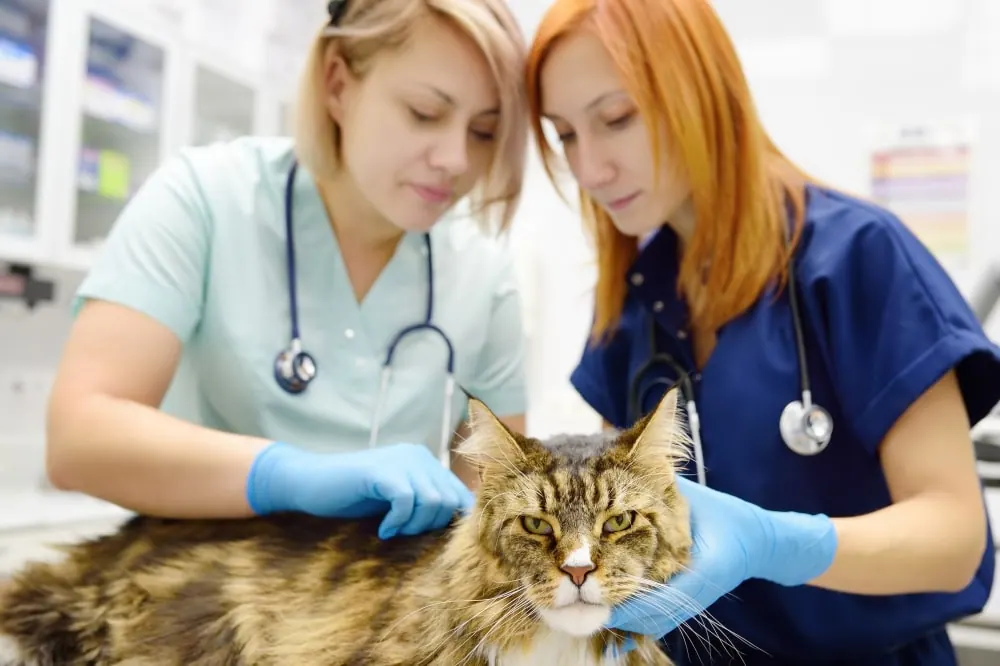
If you suspect your cat has tapeworms, a visit to the veterinarian is necessary. The vet will perform a thorough examination and may request a stool sample to confirm the presence of tapeworms. In some cases, a blood test or imaging studies may be required to rule out other potential issues.
Treatment Options for Tapeworms in Cats
Effective treatment is essential to eliminate tapeworms and restore your cat’s health. The primary treatment options include:
- Deworming Medications: Vets typically prescribe deworming medications such as praziquantel, which can be administered orally or via injection. These medications cause the tapeworms to dissolve within the intestines.
- Flea Control: Since fleas are a common source of tapeworms, implementing a comprehensive flea control regimen is crucial. This includes using flea preventatives on your cat and treating the home environment to eradicate fleas.
See top-rated cat flea treatment on Amazon
For general feline health context, the Merck Veterinary Manual cat-owner pages are a reliable starting point, and your veterinarian should guide individual decisions.
For a related health topic, see Giardia in Cats: Understanding, Preventing, and Treating This Common Parasite. That article is also not a substitute for a veterinary exam.
Preventing Tapeworm Infestations
Preventive measures are key to keeping your cat free from tapeworms. Here are some strategies to minimize the risk of infestation:
- Flea Prevention: Regularly use veterinarian-recommended flea preventatives, such as topical treatments, collars, or oral medications. Ensure all pets in the household are treated to prevent flea infestations.
- Regular Vet Check-ups: Routine veterinary visits allow for early detection and treatment of parasites. Discuss with your vet the best deworming schedule for your cat based on their lifestyle and risk factors.
- Control Rodent Populations: If your cat has access to the outdoors, take steps to reduce the rodent population in your area to minimize the risk of your cat hunting and ingesting infected prey.
- Hygiene: Maintain good hygiene by regularly cleaning your cat’s litter box and living environment. Wash your cat’s bedding frequently to reduce the risk of flea infestation.

Tapeworm infestations in cats, while common, can be effectively managed and prevented with proper care and attention. By understanding the transmission methods, recognizing the symptoms, and implementing appropriate treatment and preventive measures, you can ensure your cat remains healthy and free from these troublesome parasites. Regular veterinary care and diligent flea control are essential components of a comprehensive strategy to protect your feline friend from tapeworms.
Caring for a cat involves more than just providing food and shelter; it requires vigilance and proactive measures to safeguard their health. By staying informed about potential health issues like tapeworms and taking steps to prevent infestations, you can contribute to your cat’s overall well-being and enjoy many happy, healthy years together.