Snow, Ice Melt and Your Dog – What You Should Know
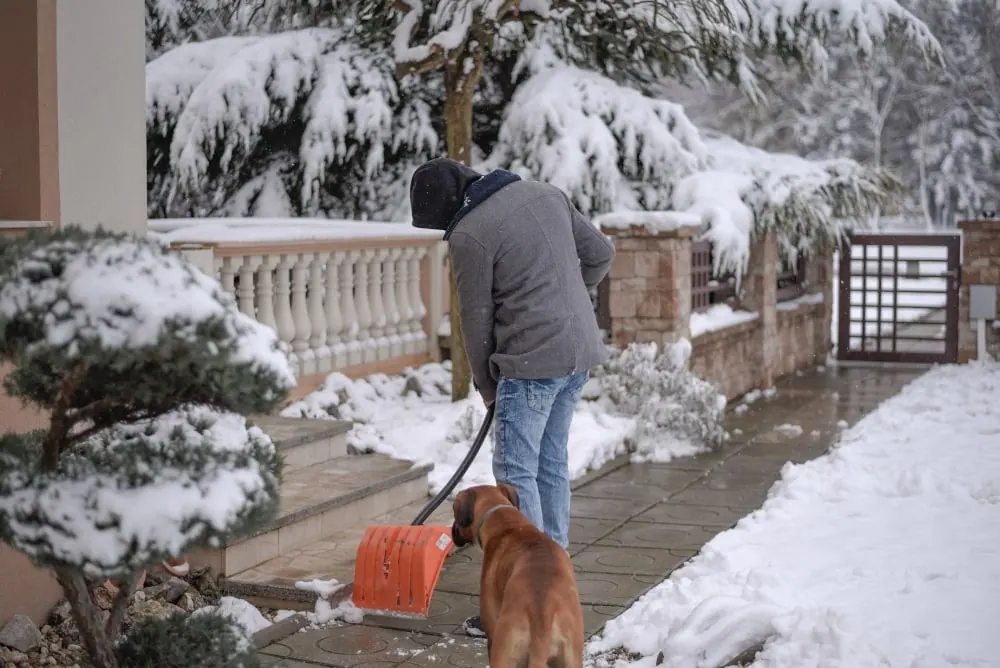
Wintertime brings a magical transformation to the world, blanketing everything in snow and turning familiar landscapes into icy wonderlands. While many dogs love to romp in the snow, it’s crucial to understand how cold weather and the use of ice melt can affect their health and safety. This article provides an in-depth look at the potential risks and offers practical advice to ensure your dog remains healthy and happy throughout the winter season.
As an Amazon Associate, we earn from qualifying purchases.
Understanding the Impact of Cold Weather on Dogs
Cold Weather Risks
Just like humans, dogs can be affected by the cold. Hypothermia and frostbite are real dangers, especially for smaller breeds or those with short fur. It’s important to monitor your dog’s time outside and recognize signs of cold-related health issues, such as shivering, lethargy, and whining.
Paws and Winter Elements
Snow and ice can be harsh on your dog’s paws. Ice can cause cracks and cuts, while the cold can make pads dry and brittle. Additionally, snow can clump between your dog’s toes, leading to discomfort and even frostbite.
The Dangers of Ice Melt
Chemicals in Ice Melt
Ice melt products, commonly used to clear sidewalks and driveways, can pose serious risks to dogs. These products often contain chemicals like sodium chloride (rock salt), calcium chloride, and magnesium chloride. While effective at melting ice, they can be harmful if ingested or if they come into contact with your dog’s skin.
Health Risks
When dogs walk on surfaces treated with ice melt, the chemicals can irritate and burn their paw pads. If they lick their paws to relieve the irritation, they can ingest these toxic substances, leading to gastrointestinal upset, including vomiting and diarrhea. In severe cases, ingestion of large amounts of ice melt can result in seizures and even death.
Protecting Your Dog in Winter
Paw Protection
To shield your dog’s paws from the cold and harmful chemicals, consider the following measures:
- Booties: Invest in a good pair of dog booties. They provide a barrier against the cold, ice, and chemical irritants. Make sure to get a pair that fits well and stays on securely.
- Paw Balm: Apply a protective paw balm before walks. These balms create a barrier that helps prevent chemicals from penetrating the skin and also moisturize the paw pads.
- Wipe Down: After walks, wipe your dog’s paws with a damp cloth to remove any ice melt residues. This simple step can prevent ingestion of harmful chemicals.
See top-rated dog booties on Amazon
For general pet-health questions, the AVMA pet-owner resources are a reliable starting point, and your veterinarian should guide individual decisions.
Related reading: Winter Care: Dogs, Cold Weather and Snow.
Hydration and Nutrition
Cold weather can be dehydrating, so ensure your dog has access to fresh water at all times. Additionally, maintaining a balanced diet is essential for keeping your dog’s energy levels up during the winter months. Consult your vet if you think your dog might need dietary adjustments.
Clothing and Shelter
For dogs with short fur or those more susceptible to cold, a well-fitting dog coat can provide extra warmth. Make sure any clothing is comfortable and doesn’t restrict movement. Additionally, ensure your dog has a warm, dry place to retreat to after outdoor activities.
Safe Alternatives to Traditional Ice Melt
Pet-Safe Ice Melt
Consider using pet-safe ice melt products, which are formulated to be less harmful to animals. These products often contain urea or other non-toxic ingredients that are safer for pets and the environment.
Sand and Kitty Litter
As a non-chemical alternative, sand or kitty litter can be used to provide traction on icy surfaces without the risks associated with chemical ice melts. While these options won’t melt the ice, they can make it safer to walk on.
Tips for Winter Walks
Shorter, More Frequent Walks
Instead of one long walk, opt for shorter, more frequent walks. This minimizes your dog’s exposure to the cold and reduces the risk of hypothermia and frostbite.
Monitor Weather Conditions
Be mindful of the weather conditions and plan walks accordingly. Avoid going out during extreme cold, high winds, or heavy snowfall. If you must venture out, keep the duration short and prioritize safety.
Visibility
During winter, daylight hours are shorter, and visibility can be poor due to snow and fog. Equip your dog with reflective gear or a light-up collar to ensure they are visible to drivers and other pedestrians.
Recognizing Signs of Distress
Behavioral Changes
Pay attention to any changes in your dog’s behavior. Reluctance to go outside, excessive licking of paws, or sudden lethargy can indicate discomfort or health issues related to the cold or ice melt exposure.
Physical Symptoms
Look out for physical signs such as red, irritated paw pads, shivering, or pale gums. These symptoms can indicate exposure to harmful chemicals or cold-related health problems.
When to Seek Veterinary Care
Immediate Concerns
If you suspect your dog has ingested ice melt or is showing signs of severe distress, seek veterinary care immediately. Symptoms such as persistent vomiting, diarrhea, seizures, or unresponsiveness require urgent attention.
Preventative Check-Ups
Regular veterinary check-ups are essential, especially during winter. Your vet can provide tailored advice and preventative care to ensure your dog remains healthy throughout the colder months.
Winter can be a joyous time for both you and your dog, but it comes with specific challenges and risks. By understanding the impact of cold weather and ice melt on your dog and taking proactive steps to protect them, you can ensure they remain safe and healthy. From paw protection to safe alternatives for ice melt, these measures will help you navigate the winter season with confidence, keeping your furry friend happy and well-cared for. Remember, a little preparation goes a long way in ensuring your dog’s well-being during the chilly months.


