Renal Failure in Cats
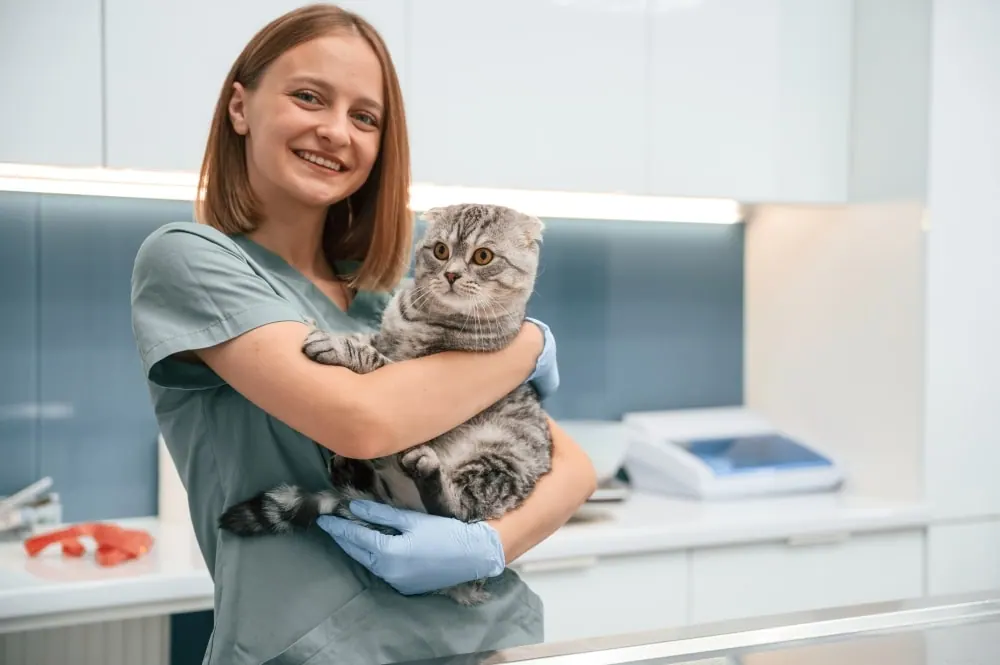
For general feline health context, the Merck Veterinary Manual cat-owner pages are a reliable starting point, and your veterinarian should guide individual decisions.
Renal failure, or kidney failure, is a significant health issue affecting cats, particularly as they age. This condition can be acute or chronic, with chronic kidney disease (CKD) being more common in older cats. Understanding the nuances of renal failure, from its symptoms and causes to its management, can play a pivotal role in ensuring the longevity and quality of life for our feline companions.
What is Renal Failure in Cats?
Renal failure occurs when a significant portion of the kidneys’ functional units, the nephrons, become damaged and unable to perform their vital role of filtering waste products from the blood. The kidneys’ inability to effectively remove these toxins leads to the accumulation of harmful substances in the blood, resulting in a range of health issues. Renal failure can manifest in two forms: acute kidney injury (AKI) and chronic kidney disease (CKD).
Acute Kidney Injury (AKI): AKI is sudden and rapid in onset. It can be caused by a variety of factors, including dehydration, ingestion of toxic substances (such as antifreeze, certain medications, or poisonous plants), and severe infections. AKI requires immediate veterinary attention, as it can progress quickly and may be reversible if treated early.
Chronic Kidney Disease (CKD): CKD, on the other hand, is a long-term condition that develops over months or years. It is most commonly seen in older cats but can affect those of any age. CKD is characterized by a gradual loss of kidney function, and while it is not reversible, its progression can often be managed with appropriate care.
Symptoms of Renal Failure in Cats
The signs of renal failure in cats can be subtle and easy to overlook, especially in the early stages of the disease. Common symptoms include:
- Increased thirst and urination
- Weight loss and decreased appetite
- Vomiting or diarrhea
- Lethargy and weakness
- Bad breath with a chemical odor
- A dull, unkempt coat
- Mouth ulcers and pale gums
Early detection and intervention are crucial in managing renal failure effectively. If you notice any of these symptoms in your cat, it is important to consult a veterinarian as soon as possible.
Causes of Renal Failure
The exact cause of CKD in cats often remains unidentified, but several factors can contribute to the development of renal failure, including:
- Age: CKD is more common in older cats.
- Genetic predisposition: Some breeds are more susceptible to kidney problems.
- Underlying health conditions: Diseases like diabetes, high blood pressure, and infections can lead to kidney damage.
- Environmental factors: Exposure to toxins, including certain medications and chemicals, can cause AKI and potentially lead to CKD.
Managing Renal Failure in Cats
While renal failure cannot be cured, proper management can significantly improve the quality of life for a cat with this condition. Management strategies include:
Dietary Changes: Diet plays a critical role in managing renal failure. Veterinary-prescribed kidney diets are formulated to support kidney function by reducing protein levels, limiting phosphorus, and ensuring optimal hydration. These diets also aim to minimize the buildup of toxins that the kidneys can no longer filter out.
Fluid Therapy: For cats with CKD, maintaining hydration is essential. Subcutaneous fluid therapy, administered under the skin, can help hydrate cats and support kidney function.
Medications: Depending on the cat’s specific needs, medications may be prescribed to manage symptoms, control hypertension, reduce protein loss in urine, and correct electrolyte imbalances.
Regular Monitoring: Frequent veterinary check-ups are crucial for monitoring the progression of renal failure and adjusting treatment as necessary. Blood tests, urine analysis, and blood pressure measurements are among the tests used to monitor the condition.
Summary
Renal failure in cats, whether acute or chronic, requires prompt and attentive care. By recognizing the early signs and understanding the management options available, cat owners can play a key role in supporting their pet’s health and well-being. While the diagnosis of renal failure can be daunting, with the right approach, many cats with this condition continue to lead full and comfortable lives. As always, regular veterinary care and open communication with your vet are the cornerstones of managing any health issue in pets, including renal failure.