Pros and Cons of Declawing Cats
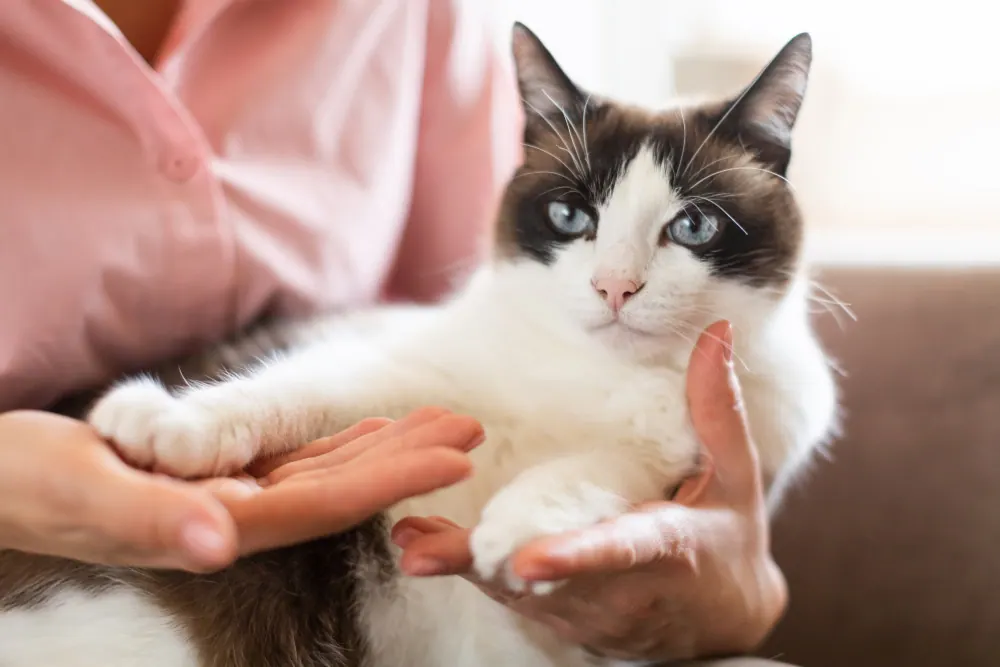
Declawing cats, a procedure known as onychectomy, involves the surgical removal of the last bone of each toe from which the claw grows. This operation is often a subject of intense debate among veterinarians, pet owners, and animal welfare advocates. While some see it as a necessary evil to protect furniture and prevent scratches, others view it as a cruel and unnecessary mutilation that can have long-lasting effects on a cat’s health and behavior. This article aims to explore both sides of the argument, presenting a comprehensive overview of the pros and cons of declawing cats.
As an Amazon Associate, we earn from qualifying purchases.
Pros of Declawing Cats
1. Prevention of Injuries and Damage
One of the most cited reasons for declawing is to prevent cats from scratching their owners, other pets, or damaging household items. Scratching is a natural behavior for cats, used for stretching, marking territory, and removing the dead outer layer of their claws. However, this behavior can sometimes lead to injuries or significant damage to furniture and other valuable items in the home.
2. Medical Necessity
In some cases, declawing may be considered for medical reasons. Conditions such as chronic nail infections or tumor growth in the claw bed can necessitate the removal of claws to prevent further health complications. Declawing for medical reasons is generally accepted as humane and necessary for the cat’s well-being.
3. Compatibility with At-Risk Individuals
For households with immunocompromised individuals or those who are at a higher risk of serious infection from scratches (e.g., hemophiliacs, the elderly, those on blood thinners), declawing might be considered to reduce the risk of injury and subsequent infection.
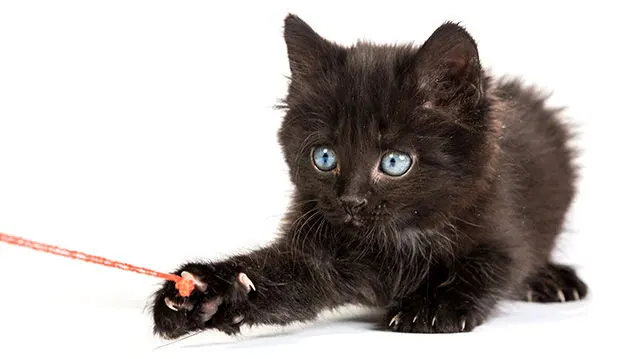
Cons of Declawing Cats
1. Pain and Discomfort
Declawing is not a simple nail trim; it is a surgical procedure that involves amputation of the last bone of each toe. Like any surgical operation, it can result in significant pain, discomfort, and a lengthy recovery period. Even with pain management, cats may experience chronic pain or sensitivity in their paws post-surgery.
2. Behavioral Issues
Declawing can lead to behavioral changes in cats. Without their primary means of defense, some cats may become more aggressive, resorting to biting as a defensive mechanism. Additionally, the discomfort or pain from the procedure can lead to litter box avoidance if the cat associates the texture of the litter with paw discomfort.
3. Mobility and Balance Issues
Cats use their claws for more than just scratching; they are essential for climbing, maintaining balance, and proper walking. Removing the claws can affect a cat’s ability to perform these natural behaviors, potentially leading to muscle atrophy, balance issues, and an overall decrease in physical activity.
4. Ethical Considerations
Many argue that declawing is inhumane, equating it to mutilation for the sake of convenience. Cats are born with claws because they need them for various aspects of their natural behavior, including self-defense. The procedure is banned or considered ethically unacceptable in many countries, highlighting the growing consensus on its inhumane nature.
Making an Informed Decision
For cat owners considering declawing, it is crucial to weigh the pros and cons of declawing carefully. Alternative solutions such as regular nail trimming, providing scratching posts, nail caps, and behavioral training should be explored to mitigate unwanted scratching without resorting to surgery. Consultation with a veterinarian can also provide insight into the necessity of the procedure based on individual circumstances and offer guidance on humane and effective alternatives.
See top-rated nail caps for cats claws on Amazon
For general feline health context, the Merck Veterinary Manual cat-owner pages are a reliable starting point, and your veterinarian should guide individual decisions.
In conclusion, declawing cats is a controversial topic with valid points on both sides. While it might offer a solution to scratching-related issues in some cases, the potential for pain, behavioral changes, and ethical concerns make it a decision that should not be taken lightly. As awareness grows and alternatives become more widely adopted, the hope is that fewer cat owners will feel the need to choose declawing, opting instead for less invasive methods to manage their cats’ natural behaviors.