Dog Toy Obsession: When Play Becomes a Problem, and What Helps
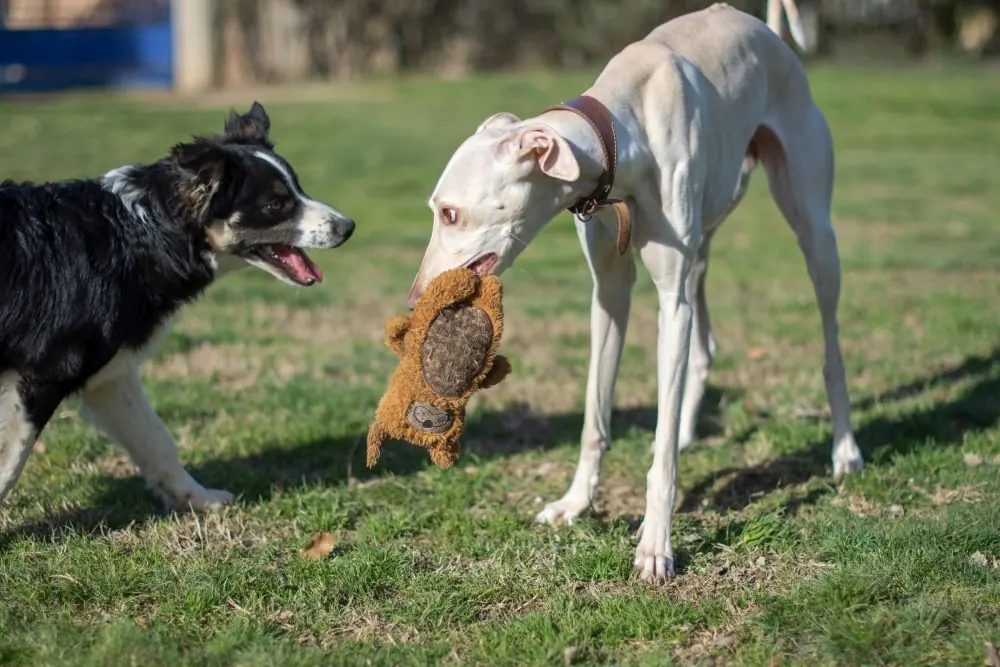
A dog that loves toys is not automatically obsessed. It becomes a problem when the dog cannot settle, guards toys, or gets so wound up that play is no longer safe. That can be a training and management issue, and sometimes it is a sign of stress, under-exercise, or a compulsive pattern that deserves a veterinary or behavior professional’s look. More toys are not always the answer. Rotation, short structured play, and teaching a solid “drop it” and “leave it” usually help more than a bigger toy box.
Play and enrichment work best alongside sound training habits; the AKC expert advice on dog training is a useful overview.
Related reading: Play Nice: Dog Park Etiquette.
Some tough chewers do well with a known durable brand; we review Tuffy dog toys separately, still with supervision.
If the dog destroys ordinary toys, a tougher option from our indestructible dog toys guide may last longer, still with supervision.
Puzzle work can give the same energy a better outlet. Try a best interactive dog toys toy, a best snuffle mats, or a best lick mats for calm licking after a play session. Keep play supervised if the dog is possessive, and do not use punishment that makes guarding worse.
Dogs bring immense joy and companionship into our lives, often finding comfort and entertainment in their toys. However, when a dog’s attachment to toys becomes an obsession, it can lead to behavioral issues that disrupt the harmony of your home. Understanding and addressing this obsession is essential for the well-being of your furry friend. This article explores practical strategies to help your dog overcome toy obsession, fostering a balanced and healthy relationship with their toys.
Understanding Toy Obsession in Dogs
Toy obsession in dogs can manifest in various ways, such as excessive chewing, guarding, or fixation on one particular toy. This behavior often stems from underlying issues like anxiety, boredom, or a need for mental stimulation. Recognizing the signs of toy obsession is the first step in addressing the problem.
Common Signs of Toy Obsession in Dogs
- Reluctance to part with the toy, even during meals or walks
- Aggressive behavior when the toy is taken away
- Constantly carrying the toy around
- Anxiety or restlessness when the toy is out of sight
- Lack of interest in other activities or interactions
Identifying the Root Cause
To effectively manage toy obsession, it’s crucial to identify the root cause of your dog’s behavior. Factors such as breed tendencies, lack of exercise, or emotional distress can contribute to an unhealthy fixation on toys.
Potential Causes:
- Breed Characteristics: Certain breeds, like Border Collies or Retrievers, have high energy levels and a natural inclination for play, which can sometimes lead to toy obsession.
- Insufficient Exercise: Dogs with pent-up energy may turn to toys as a means of expending it.
- Anxiety and Stress: Dogs experiencing anxiety or stress may use toys as a coping mechanism.
- Lack of Mental Stimulation: Intelligent breeds may become obsessed with toys if they are not adequately mentally stimulated.
Strategies to Overcome Toy Obsession in Dogs
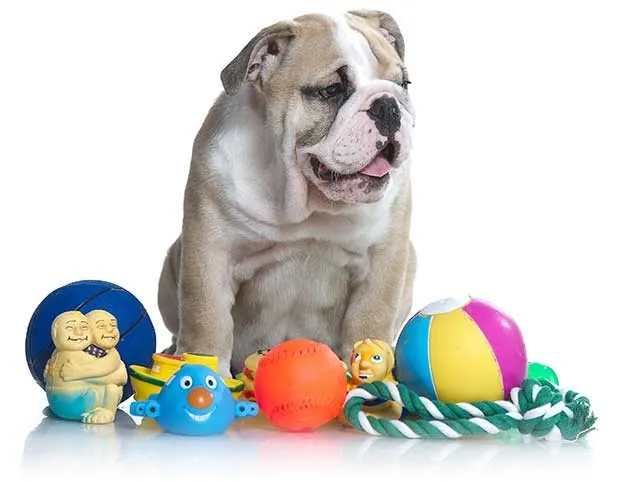
Once the underlying cause is identified, you can implement strategies to help your dog develop a healthier relationship with their toys. The following tips offer a comprehensive approach to managing toy obsession.
1. Establish a Routine
A consistent daily routine provides your dog with a sense of security and predictability. Incorporate regular playtimes, exercise sessions, and feeding schedules to create structure. This routine helps reduce anxiety and boredom, two common triggers of toy obsession.
2. Provide Sufficient Exercise
Ensuring your dog gets enough physical exercise is crucial. Regular walks, runs, and play sessions help burn off excess energy and reduce the likelihood of toy fixation. Tailor the exercise to your dog’s breed, age, and energy level.
3. Mental Stimulation
Dogs, especially intelligent breeds, require mental stimulation to stay happy and healthy. Introduce puzzle toys, interactive games, and training sessions to challenge their minds. Rotate toys to keep their interest fresh and prevent fixation on a single toy.
4. Limit Access to Toys
Instead of leaving toys available all the time, establish specific playtimes when toys are accessible. This teaches your dog that toys are not a constant presence, reducing their obsession. During non-play times, engage your dog with other activities like obedience training or socialization.
5. Teach the “Leave It” Command
Training your dog to obey the “leave it” command can be invaluable in managing toy obsession. Start by using low-value items and gradually progress to toys. Reward your dog for complying with the command, reinforcing the behavior with positive reinforcement.
https://www.youtube.com/watch?v=umt0jF9MHeI&pp=ygUVZG9nIGxlYXZlIGl0IHRyYWluaW5n
6. Address Anxiety and Stress
If anxiety or stress is contributing to your dog’s toy obsession, address these issues with appropriate interventions. Consider creating a calming environment, using anxiety-reducing products, or consulting a veterinarian for advice. Behavioral training can also help alleviate anxiety-driven toy fixation.
7. Encourage Socialization
Socializing your dog with other dogs and people can divert their attention from toys and reduce obsession. Arrange playdates, visit dog parks, or enroll in training classes to provide social interactions and mental stimulation.

When to Seek Professional Help
In some cases, toy obsession may require the assistance of a professional dog trainer or a veterinarian. If your dog’s behavior is aggressive, if they show signs of severe anxiety, or if the obsession persists despite your efforts, seeking expert advice is recommended.
Signs to Consult a Professional:
- Persistent aggressive behavior
- Severe anxiety or distress
- Lack of improvement with home strategies
- Any signs of physical harm or injury
Conclusion
Helping your dog overcome toy obsession is a process that requires patience, consistency, and understanding. By identifying the root cause, establishing routines, providing adequate exercise, and implementing training techniques, you can guide your dog towards a healthier relationship with their toys. Remember, every dog is unique, and what works for one may not work for another. Stay observant, be flexible with your approach, and celebrate small victories along the way. Your dedication will ultimately lead to a happier, more balanced life for your furry friend.
Addressing toy obsession is not just about reducing fixation; it’s about enhancing your dog’s overall well-being. With the right strategies and a compassionate approach, you can help your dog enjoy their toys in a healthy and balanced manner.