A Lump Near a Dog’s Anus: See a Veterinarian, Don’t Treat It at Home
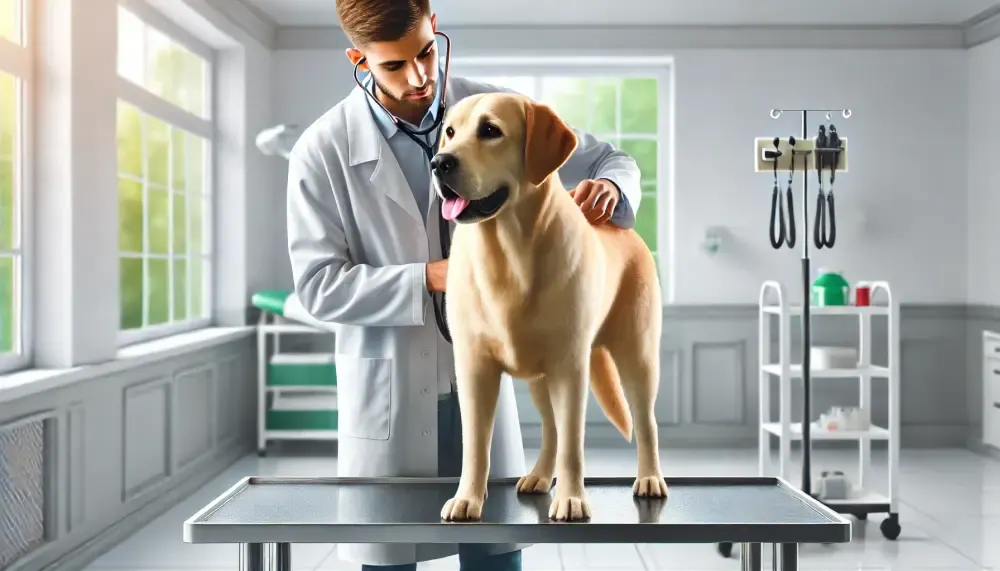
A lump near a dog’s anus is a veterinary problem, not a wait-and-see home project. It might be an anal gland issue, an abscess, a hernia, or a growth, and you cannot tell which from a photo or a blog list. Swelling, pain, scooting, bleeding, or a lump that is growing or bursting is a reason to book an exam promptly. Do not squeeze, lance, or “express” a lump at home, and do not put ointment on it as a substitute for care.
Look for a complete-and-balanced statement as explained in the FDA guidance on complete and balanced pet food and AAFCO’s consumer guide to understanding pet food. The WSAVA Global Nutrition Guidelines are a useful higher-level reference when you are choosing a food.
Treatment depends on the diagnosis and may include expression by a veterinarian, medication, or surgery. Diet changes, if they are recommended at all, come after that exam. If your dog cannot get comfortable, is lethargic, or the area is badly swollen, seek care the same day.
Discovering a lump near your dog’s anus can be concerning. Many pet owners feel a mix of anxiety and confusion when finding something unusual on their beloved pet. While some lumps are harmless, others might indicate a more serious issue. Knowing when to worry and how to treat it can make all the difference in ensuring your dog’s health and well-being.
Common Causes of Lumps Near a Dog’s Anus
-
**Anal Gland Issues\
**
One of the most frequent causes of lumps in this area is related to the dog’s anal glands. These small sacs are located on either side of the anus and are responsible for secreting a scent-marking fluid. When these glands become impacted or infected, they can swell, leading to a noticeable lump.
- Symptoms: Scooting, licking the area, and swelling.
- Treatment: A vet will often express the glands manually, prescribe antibiotics if there’s infection, or in more severe cases, suggest surgical removal.
-
**Abscesses\
**
An abscess is a painful, swollen area filled with pus caused by bacterial infection. Dogs can develop abscesses near their anus due to injuries, bites, or even from an infected anal gland.
- Symptoms: Redness, pain, warmth in the area, and possible drainage of pus.
- Treatment: Your veterinarian will likely drain the abscess and provide antibiotics to clear the infection.
-
**Perianal Fistula\
**
This is a more serious condition where tunnels or openings form around the anus due to inflammation. It’s more common in certain breeds, like German Shepherds, and requires immediate attention.
- Symptoms: Pain, discharge, difficulty defecating, and foul odor.
- Treatment: Treatment typically involves medications to reduce inflammation, such as immunosuppressants, antibiotics, or even surgery.
-
**Tumors or Growths\
**
Tumors, both benign and malignant, can develop near a dog’s anus. These lumps could be anything from harmless skin growths to cancerous masses like adenocarcinomas. Identifying whether the tumor is benign or malignant is crucial for determining the next steps.
- Symptoms: Swelling, bleeding, change in appearance over time.
- Treatment: A biopsy will be necessary to determine if the tumor is cancerous. Depending on the results, surgery or other treatments may be recommended.
-
Hernias
Perineal hernias occur when the muscles near the rectum weaken, allowing internal tissues to push through and create a lump near the anus. Older, unneutered male dogs are more prone to developing this condition.
- Symptoms: Straining during defecation, visible bulge near the anus.
- Treatment: Surgery is the most common solution for repairing a hernia.
When to Worry About a Lump
Not all lumps are a cause for concern, but there are certain signs that indicate the need for immediate veterinary care. If the lump:
- Is painful to the touch
- Grows quickly over time
- Changes color or begins to bleed
- Affects your dog’s ability to defecate
- Causes your dog discomfort or leads to changes in behavior
It’s essential to schedule a visit with your veterinarian as soon as possible. Early detection and treatment of a lump near the anus can prevent more serious complications down the line.
How to Treat Lumps Near a Dog’s Anus
The treatment for a lump near your dog’s anus depends on the underlying cause. Here are some common approaches based on different conditions:
- Anal Gland Expression: If the lump is due to impacted anal glands, the vet may manually express the glands or flush them out. Antibiotics may be prescribed if there’s an infection.
- Abscess Drainage: For abscesses, the vet will drain the pus and clean the wound. Antibiotics are typically prescribed to treat the underlying infection.
- Surgical Intervention: If a hernia, tumor, or severe anal gland problem is identified, surgery may be required to remove the growth or repair the area.
- Medications: In the case of perianal fistulas or infected glands, anti-inflammatory medications or immunosuppressants may be prescribed alongside other treatments.
- Cancer Treatment: If a tumor is diagnosed as cancerous, treatments such as chemotherapy or radiation may be considered after surgical removal of the tumor.
Preventative Measures
To reduce the risk of your dog developing lumps near their anus, consider the following preventative tips:
- Regular Checkups: Routine vet visits can catch problems early before they become serious.
- Anal Gland Expression: For dogs prone to anal gland issues, regular expression by a vet or groomer can help prevent impaction and infection.
- Proper Diet: A high-fiber diet can aid in maintaining healthy anal gland function, reducing the risk of impaction.
- Maintain Good Hygiene: Keep the area around your dog’s anus clean, especially after outdoor activities or if your dog is prone to scooting.
A lump near your dog’s anus may be alarming, but with prompt action and proper care, most conditions can be treated effectively. If you notice any unusual lumps, schedule a veterinary appointment to get a clear diagnosis and ensure your dog’s health. Whether it’s a minor issue like an impacted gland or something more serious, early intervention is the key to keeping your dog comfortable and healthy.


