Medical Emergency: Head Pressing Could Be Fatal to Your Dog
For general pet-health questions, the AVMA pet-owner resources are a reliable starting point, and your veterinarian should guide individual decisions.
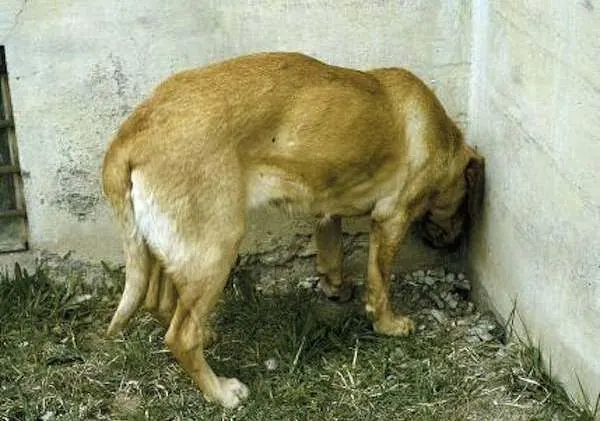
Head pressing in dogs is a behavior that may seem harmless at first glance, but it can actually be an indication of a serious medical emergency. This alarming condition is where a dog compulsively presses its head against a wall or other object for extended periods. It is crucial for dog owners to recognize this behavior and understand its potential implications for their pet’s health. This article will cover the signs of head pressing, possible causes, and the necessary steps to take if you observe this behavior in your dog.
What Is Head Pressing in Dogs?
Head pressing is the act of a dog pressing its head against a solid object such as a wall, corner, or piece of furniture without moving. This behavior is typically a sign of discomfort or neurological distress. Unlike normal behaviors where a dog might rest its head on a surface, head pressing is compulsive and appears unnatural.
Signs of Head Pressing in Dogs
Recognizing head pressing early can be key to treating potentially life-threatening conditions. Here are some signs associated with head pressing:
- Constant head against a wall or object
- Disorientation or confusion
- Pacing or wandering in circles
- Changes in the eyes (such as pupils that are different sizes)
- Visible anxiety or distress
- Deficits in vision
- Abnormal vocalizations
These symptoms might accompany head pressing, and noticing them should prompt immediate veterinary attention.
Possible Causes of Head Pressing in Dogs
Head pressing can stem from various serious health issues, many of which involve the nervous system. Some of the common causes include:
- Toxic Poisoning: Ingestion of toxic substances like lead or antifreeze can lead to swelling of the brain, causing head pressing.
- Liver Disease: A malfunctioning liver can cause toxins to build up in the blood and affect the brain, known as hepatic encephalopathy.
- Brain Tumors: Growths in the brain can increase intracranial pressure, leading to head pressing.
- Stroke: Interruption of blood supply to the brain can cause neurological symptoms, including head pressing.
- Infectious Diseases: Conditions such as rabies, fungal infections, or bacterial infections can lead to this behavior.
- Head Trauma: Previous injuries to the head can result in long-term damage that manifests as head pressing.
Understanding these causes is critical, as they determine the urgency and type of treatment needed.

Diagnosis and Treatment
When you bring your dog to a veterinarian for head pressing, they will likely perform a comprehensive neurological examination to assess brain function. This will include blood tests, MRI or CT scans, and possibly a spinal fluid analysis to pinpoint the exact cause of the distress.
Treatment will depend on the underlying cause but may involve medications to reduce inflammation and brain swelling, antibiotics for infections, or surgery for tumors. Supportive care, such as fluids and nutritional support, will also be important.
Why Immediate Veterinary Care Is Crucial
Head pressing often indicates a condition that can deteriorate rapidly, leading to severe consequences, including death, if not treated promptly. The prognosis for dogs suffering from this condition depends largely on the underlying cause and the timeliness of intervention. Early detection and treatment can significantly improve outcomes.
As a dog owner, understanding and recognizing the sign of head pressing is vital. This behavior is not only unusual but could also be a signal of severe and potentially fatal medical conditions. If you notice your dog exhibiting this behavior, it is imperative to seek veterinary care immediately to provide your pet with the best chance for recovery. Remember, head pressing is more than just a quirky behavior; it’s a cry for help that should not be ignored.
Being informed about the potential health emergencies your pet could face empowers you to act swiftly and appropriately. Observing your dog’s behavior and responding to unusual signs like head pressing can make a significant difference in their health and well-being. Always stay vigilant and proactive in your pet’s health care to ensure they lead a happy, healthy life.


