Low-Protein Dog Food: Only If Your Veterinarian Has a Reason
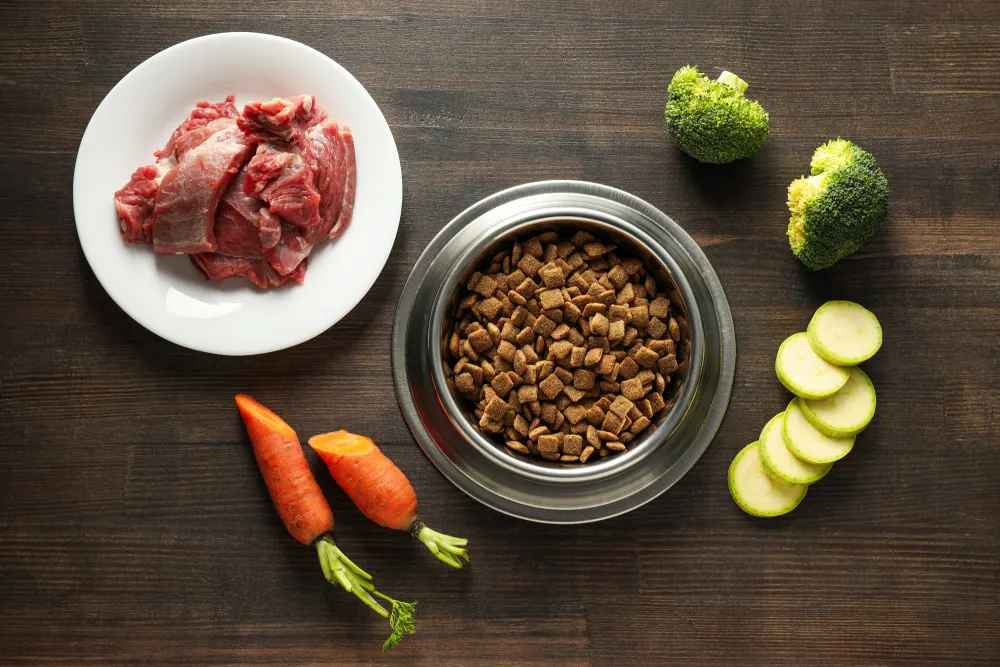
Low-protein dog food is not automatically gentler or healthier. It is usually part of a veterinary plan for a diagnosed condition, such as some kidney or liver diseases, and only if your veterinarian recommends a specific amount of protein. Healthy adult dogs generally need enough high-quality protein, not an arbitrary restriction. A grocery food labeled “low protein” is not a substitute for a prescription renal diet, and a homemade low-protein menu is easy to get wrong.
Look for a complete-and-balanced statement as explained in the FDA guidance on complete and balanced pet food and AAFCO’s consumer guide to understanding pet food. The WSAVA Global Nutrition Guidelines are a useful higher-level reference when you are choosing a food.
Low-protein and low-sodium plans are both veterinary diets, not casual upgrades; see our low-sodium dog food guide if sodium was the concern you were given.
For a related food question, see Gluten-Free Dog Food: Only If Your Veterinarian Has a Reason.
If your veterinarian has prescribed a therapeutic diet, follow that exact food and the follow-up labs they scheduled. For a dog without that diagnosis, see top dog food brands and wet vs dry dog food guide rather than shopping a low-protein search on your own.
As an Amazon Associate, we earn from qualifying purchases.
The world of dog food is vast and varied, catering to the diverse nutritional needs of our canine companions. Among these options, low protein dog food holds a special place, particularly for dogs with specific health conditions or dietary requirements. This guide explores the ins and outs of low protein dog food, helping pet owners make informed decisions about their furry friend’s diet.
What is Low Protein Dog Food?
Low protein dog food is precisely what it sounds like – dog food formulated with reduced levels of protein. Unlike standard dog food, which typically contains higher protein levels to meet the energetic needs of dogs, low protein variants are designed to alleviate strain on certain bodily functions, such as kidney or liver processing.
Why Choose Low Protein Dog Food?
The primary reason for choosing a low protein diet for your dog is usually based on health concerns. Conditions such as chronic kidney disease (CKD), liver disease, and certain allergies may necessitate a reduction in protein intake. Lower protein levels help decrease the workload on the kidneys and liver, which can be beneficial for dogs with compromised organ function.
Nutritional Balance
While protein is an essential part of a dog’s diet, it’s crucial to balance it with other nutrients. Low protein dog food should be formulated to ensure that despite reduced protein, your dog still receives a balanced diet. This includes adequate levels of fats, carbohydrates, vitamins, and minerals to support overall health and energy levels.
Types of Low Protein Dog Food
There are various types of low protein dog food available, each catering to different needs:
- Prescription Diets: These are specially formulated diets prescribed by veterinarians for dogs with specific health conditions. They are tailored to provide optimal nutrition while addressing the dog’s medical needs.
- Over-the-Counter Options: These are commercially available low protein dog foods that are less specialized than prescription diets but still offer reduced protein content.
- Homemade Diets: Some pet owners opt to prepare low protein meals at home, often under the guidance of a veterinarian or a canine nutritionist. This allows for complete control over the ingredients and protein levels.
Choosing the Right Low Protein Dog Food
Selecting the right low protein dog food involves several factors:
- Veterinarian Consultation: Always consult with a veterinarian before switching to a low protein diet, especially if your dog has health issues.
- Quality of Ingredients: Look for high-quality ingredients with digestible protein sources, even if they are present in lower quantities.
- Age and Activity Level: The age and activity level of your dog play a role in the type of diet they require. Puppies, adult dogs, and seniors have different nutritional needs.
- Specific Health Needs: Tailor the choice of low protein dog food to address any specific health issues your dog may have.
See top-rated Low Protein Dog Food on Amazon
Benefits of Low Protein Dog Food
- Reduced Kidney Strain: Lower protein levels can ease the burden on the kidneys, which is crucial for dogs with kidney issues.
- Improved Liver Function: Dogs with liver diseases may benefit from reduced protein intake, allowing the liver to process nutrients more effectively.
- Allergy Management: Some dogs with allergies may react to certain proteins; low protein diets can help alleviate these allergic reactions.
- Weight Management: Low protein diets can sometimes aid in weight management for dogs prone to obesity.
Potential Risks and Considerations
While low protein diets are beneficial for some dogs, they are not suitable for all. Potential risks include:
- Protein Deficiency: If not carefully balanced, a low protein diet can lead to protein deficiency, which can impact muscle development and overall health.
- Not Suitable for Puppies or Pregnant Dogs: Growing puppies and pregnant dogs require higher protein levels for development.
Transitioning to a Low Protein Diet
Transitioning to a low protein diet should be gradual to avoid digestive upset. Mix increasing amounts of the new food with the old food over a week or more, monitoring your dog’s health and acceptance.
Conclusion
Low protein dog food can be a lifeline for dogs with certain health conditions, but it’s not a one-size-fits-all solution. It’s essential to work with a veterinarian to ensure that your dog’s dietary needs are met while addressing any health concerns. With the right approach, low protein dog food can contribute significantly to the quality of life and health of your furry friend.


