Lipoma in Dogs: Understanding Fatty Tumors in Canine Friends
For general pet-health questions, the AVMA pet-owner resources are a reliable starting point, and your veterinarian should guide individual decisions.
Lipoma in dogs is a condition that can cause considerable concern among pet owners. These benign tumors are composed of fat cells and are among the most common soft tissue tumors in dogs. Though they are generally harmless, understanding lipomas is crucial for pet owners to ensure their furry friends live healthy, comfortable lives. This article explores the causes, symptoms, diagnosis, and treatment options for lipoma in dogs, providing valuable insights for pet owners to better manage this condition.
What Is a Lipoma?
Lipomas are non-cancerous tumors made up primarily of fat cells. They typically form just under the skin and can vary in size, ranging from as small as a pea to as large as a melon. These tumors are most common in middle-aged and older dogs, especially those that are overweight. Although lipomas are benign and do not spread to other parts of the body, they can sometimes grow large enough to cause discomfort or mobility issues for the dog.
Causes of Lipoma in Dogs
The exact cause of lipoma in dogs is not well understood, but several factors may contribute to their development:
- Genetics: Some breeds are more predisposed to developing lipomas, suggesting a genetic component.
- Obesity: Overweight dogs are at a higher risk, as excess fat can contribute to the formation of these tumors.
- Age: Older dogs are more likely to develop lipomas, indicating age as a contributing factor.
- Lack of Exercise: A sedentary lifestyle can also increase the risk of lipomas in dogs.
Symptoms of Lipoma in Dogs
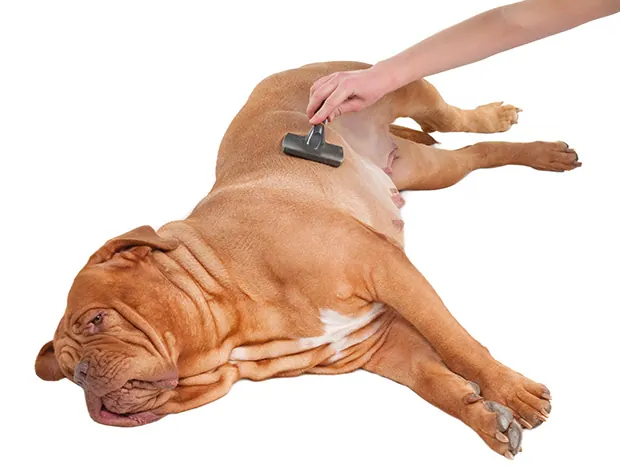
Lipomas are usually soft and movable under the skin. They are most often found on the chest, abdomen, limbs, or neck, but they can occur anywhere on the body. In most cases, lipomas are not painful and do not cause any symptoms. However, their location and size can occasionally lead to discomfort or hinder movement if they press against muscles or joints.
Diagnosing Lipoma in Dogs
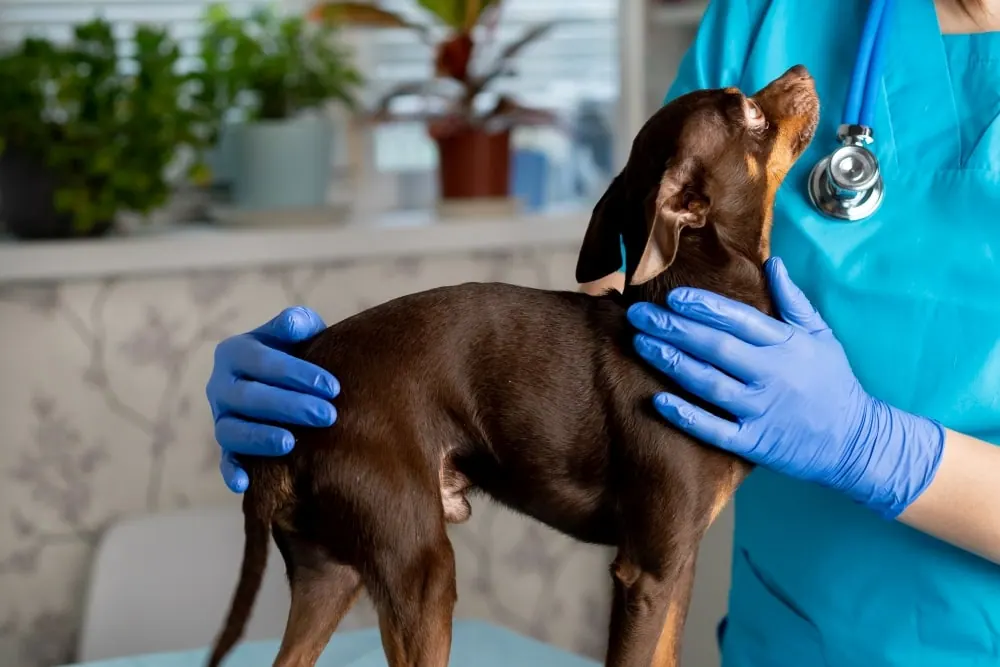
If you find a lump on your dog, it’s essential to visit a veterinarian for an accurate diagnosis. The vet may suggest a biopsy or needle aspiration to collect cells from the lump for examination. This procedure is typically quick and causes minimal discomfort. By analyzing the cells, the vet can determine whether the lump is a benign lipoma or something more serious, like a malignant tumor.
Treatment Options for Lipoma in Dogs
In many cases, treatment for lipoma is not immediately necessary. However, there are several options available depending on the lipoma’s size, location, and whether it’s causing discomfort for the dog:
- Monitoring: Small lipomas that do not affect the dog’s quality of life can be monitored for changes in size or shape.
- Surgery: For lipomas that cause discomfort or hinder movement, surgical removal may be recommended. This is a common and generally safe procedure.
- Liposuction: In some cases, liposuction can be used to remove the fat cells from the lipoma, though there is a higher chance of recurrence compared to surgical removal.
Preventing Lipoma in Dogs
While there is no guaranteed way to prevent lipomas, maintaining your dog’s health through proper diet and regular exercise can reduce the risk. Keeping your dog at a healthy weight is especially important, as obesity is a significant risk factor.
Conclusion
Lipoma in dogs is a common condition that, while usually not serious, requires attention and care from pet owners. Understanding the causes, recognizing the symptoms, and knowing the treatment options are key steps in managing lipomas effectively. Regular check-ups and maintaining a healthy lifestyle for your dog are essential preventive measures. If you ever discover a lump on your dog, consult with a veterinarian to ensure it’s properly diagnosed and treated.
By staying informed and attentive to your dog’s health, you can ensure they lead a comfortable and happy life, even with the presence of lipomas.


