Let There Be Peace: Cat-Friendly Dog Breeds

If you are comparing types of dogs or cats, we also cover Most Popular Cat Breeds: A Snapshot, Not a Shopping List.
For official breed standards and typical traits, the AKC dog breed directory is a solid starting point.
Introducing a dog into a household with cats can be a bit nerve-wracking. The idea of managing the dynamics between two different species might seem daunting, but it’s entirely possible to foster a peaceful and loving environment. Some dog breeds are known for their ability to get along well with cats, making them ideal choices for multi-pet families. This article will explore the top cat-friendly dog breeds and provide insights into their temperament, care requirements, and compatibility with feline companions.
1. Golden Retriever
Golden Retrievers are well-known for their friendly and tolerant nature. These dogs are gentle giants, often displaying a calm demeanor that cats can appreciate. Their sociable personality means they are more likely to see a cat as a friend rather than a foe. Golden Retrievers are also highly trainable, making it easier to teach them boundaries and how to interact appropriately with feline housemates.
Golden Retriever Key Features
- Friendly and tolerant
- Gentle giant
- Highly trainable

2. Labrador Retriever
Much like Golden Retrievers, Labrador Retrievers are affectionate and good-natured. Labs are playful yet patient, making them excellent companions for cats. Their adaptability and eagerness to please their owners can help them quickly learn the dos and don’ts of living with a cat. With proper introduction and training, Labs can form strong bonds with their feline friends.
Labrador Retriever Key Features
- Affectionate and good-natured
- Playful yet patient
- Adaptable and eager to please

3. Beagle
Beagles are small, sociable, and full of energy. Known for their friendly disposition, Beagles can make great companions for cats, especially those who enjoy a bit of playful interaction. While Beagles have a strong hunting instinct, their social nature often overrides this, allowing them to coexist peacefully with cats. Supervised introductions and consistent training can help ensure a harmonious relationship.
Beagle Key Features
- Small and sociable
- Full of energy
- Friendly disposition

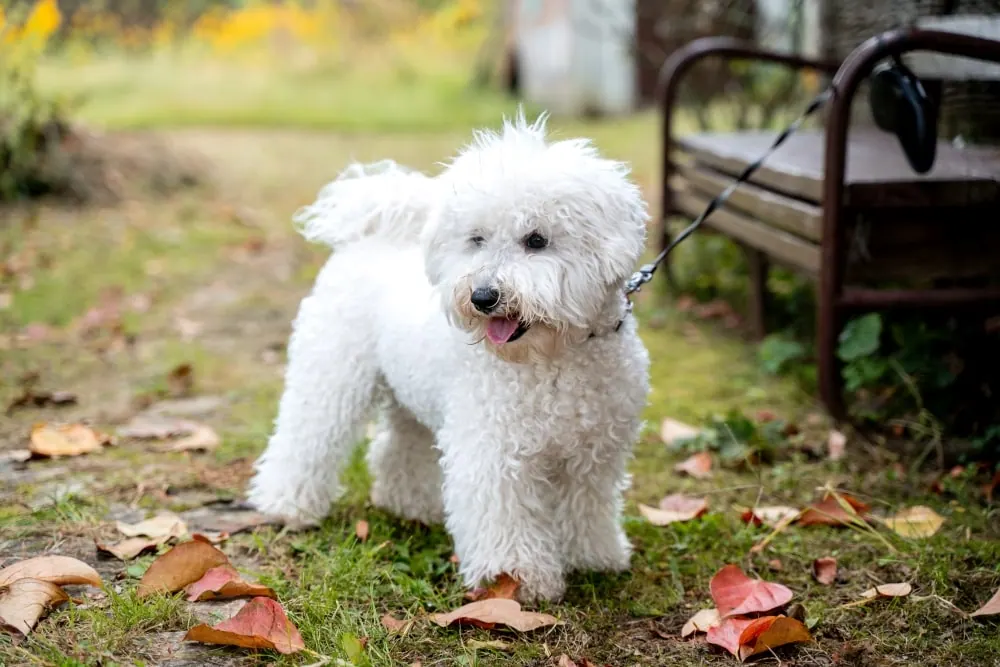
4. Bichon Frise
Bichon Frises are cheerful, affectionate, and good-natured dogs that typically get along well with other pets, including cats. Their small size and gentle temperament make them less intimidating to feline companions. Bichons are known for their playful yet calm nature, making them a great choice for families looking to add a dog to their cat-filled home.
Bichon Frise Key Features
- Cheerful and affectionate
- Gentle temperament
- Playful yet calm
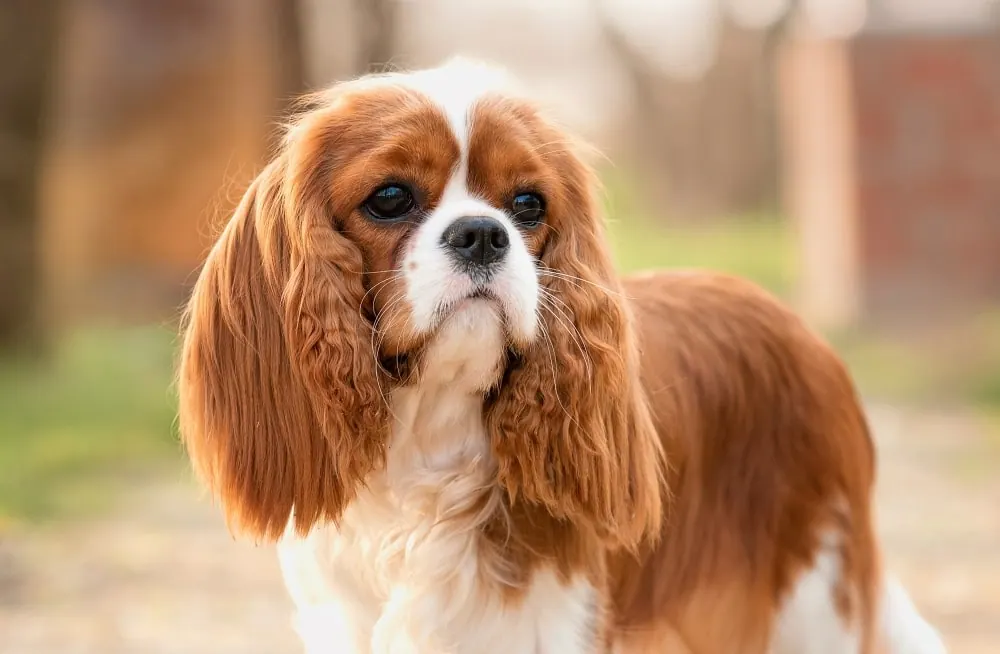
5. Cavalier King Charles Spaniel
Cavalier King Charles Spaniels are affectionate and gentle dogs that thrive on companionship. Their friendly and tolerant nature makes them well-suited to living with cats. Cavaliers are known for their easygoing demeanor and love for snuggling, often forming close bonds with both their human and feline family members.
Cavalier King Charles Spaniel Key Features
- Affectionate and gentle
- Friendly and tolerant
- Easygoing demeanor
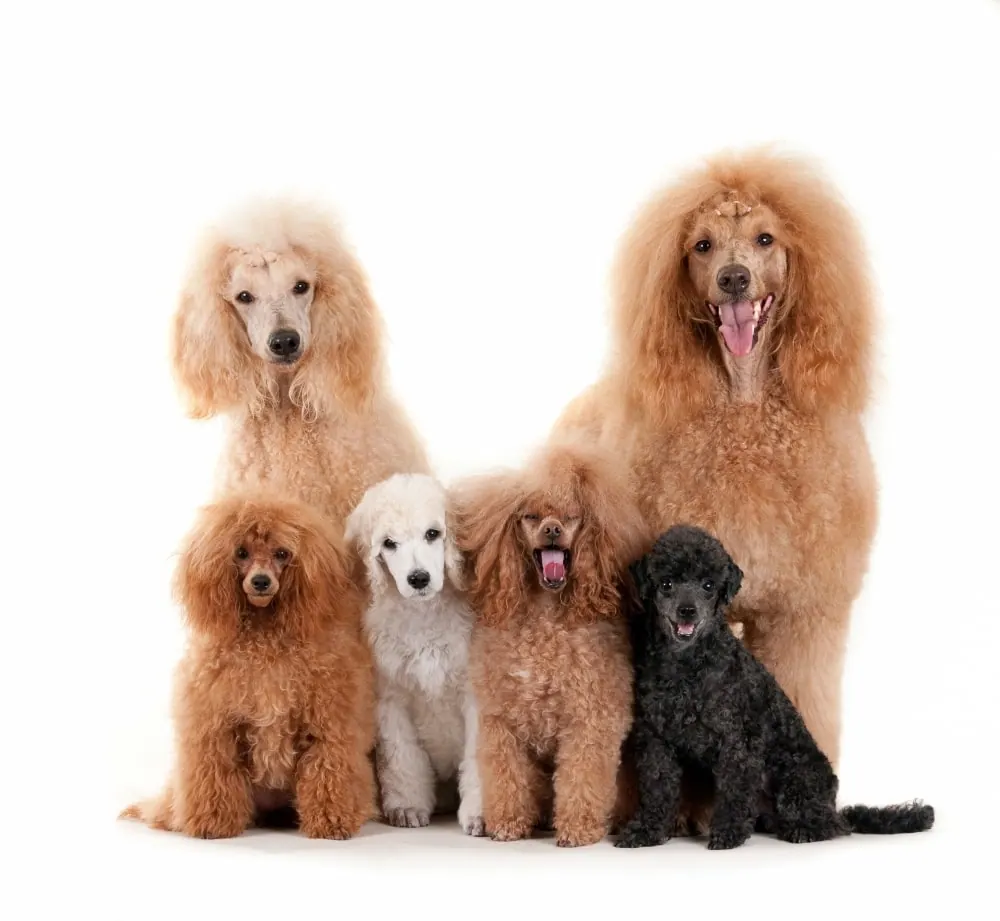
6. Poodle
Poodles, whether standard, miniature, or toy, are intelligent and adaptable dogs. They are known for their friendly and sociable nature, making them good candidates for households with cats. Poodles are also highly trainable, which can be beneficial when introducing them to a cat. With proper socialization, Poodles can learn to live harmoniously with their feline counterparts.
Poodle Key Features
- Intelligent and adaptable
- Friendly and sociable
- Highly trainable
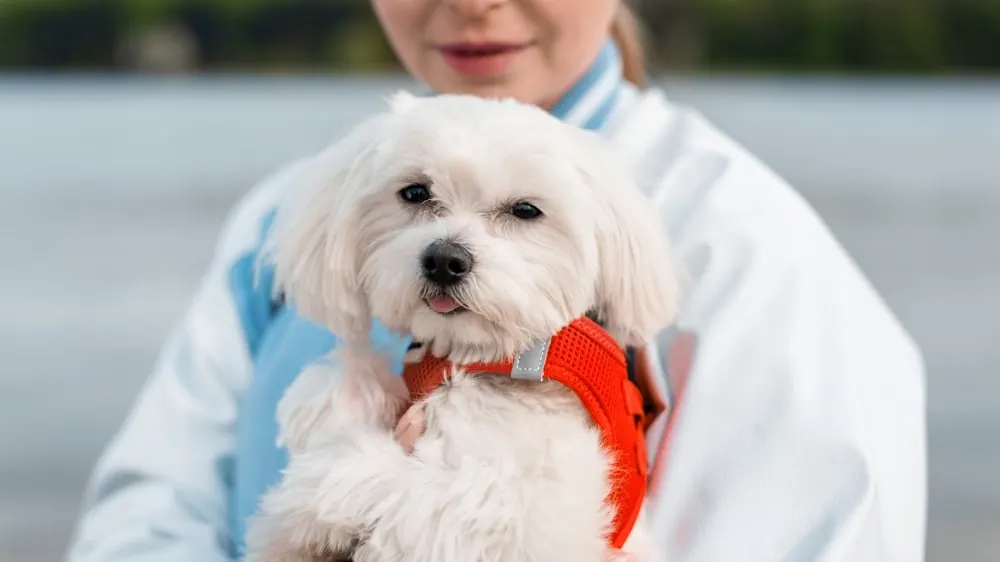
7. Maltese
Maltese dogs are small, gentle, and affectionate, often getting along well with cats. Their calm and friendly nature makes them less likely to engage in aggressive behavior toward their feline housemates. Maltese dogs are also known for their love of companionship, whether it’s with their human family or other pets, including cats.
Maltese Key Features
- Small and gentle
- Affectionate nature
- Calm and friendly
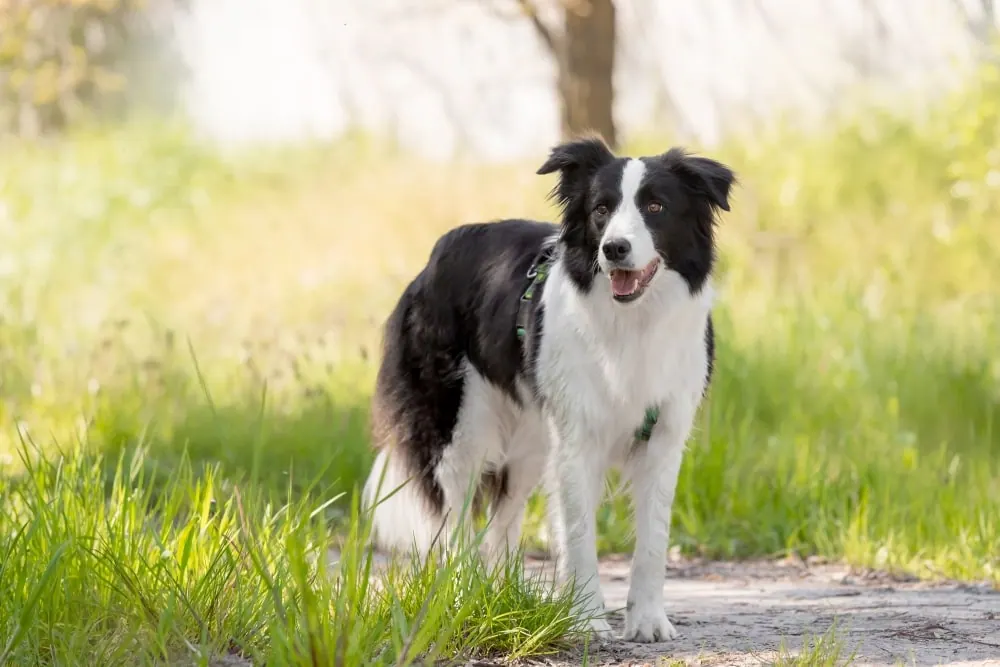
8. Collie
Collies are known for their intelligence, loyalty, and gentle nature. These traits make them excellent companions for cats. Collies are typically patient and tolerant, allowing them to coexist peacefully with feline friends. Their herding instincts are usually directed towards protecting and guiding rather than chasing, making them a good match for a multi-pet household.
Collie Key Features
- Intelligent and loyal
- Gentle nature
- Patient and tolerant
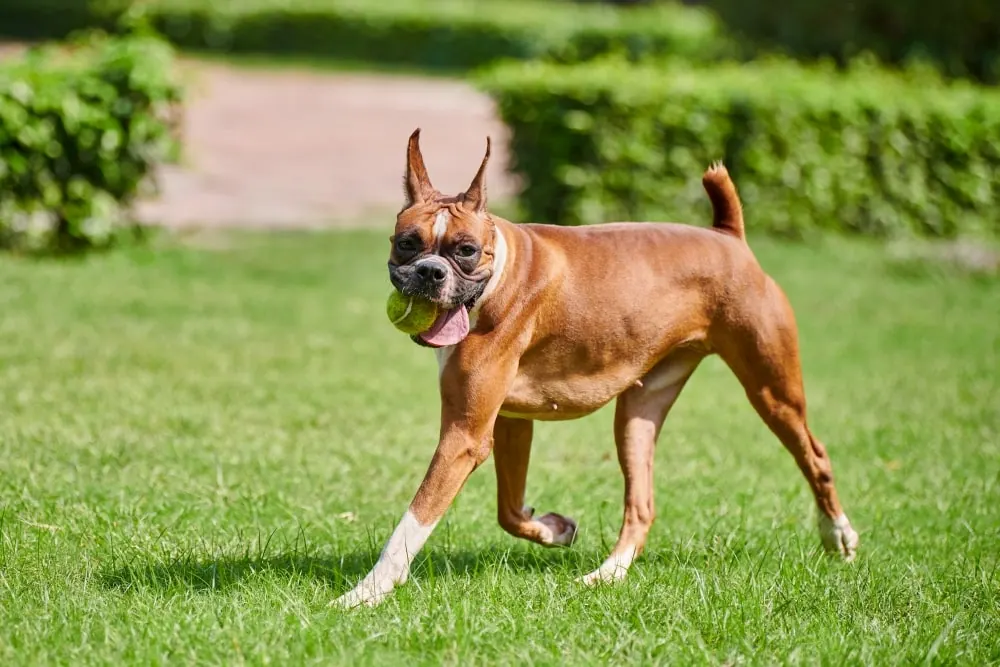
9. Boxer
Boxers are playful, energetic, and affectionate dogs that can get along well with cats. Their friendly nature often extends to other pets in the household, including cats. Boxers can be a bit boisterous, so it’s important to supervise initial interactions and provide proper training to ensure a peaceful coexistence.
Boxer Key Features
- Playful and energetic
- Affectionate nature
- Friendly with other pets
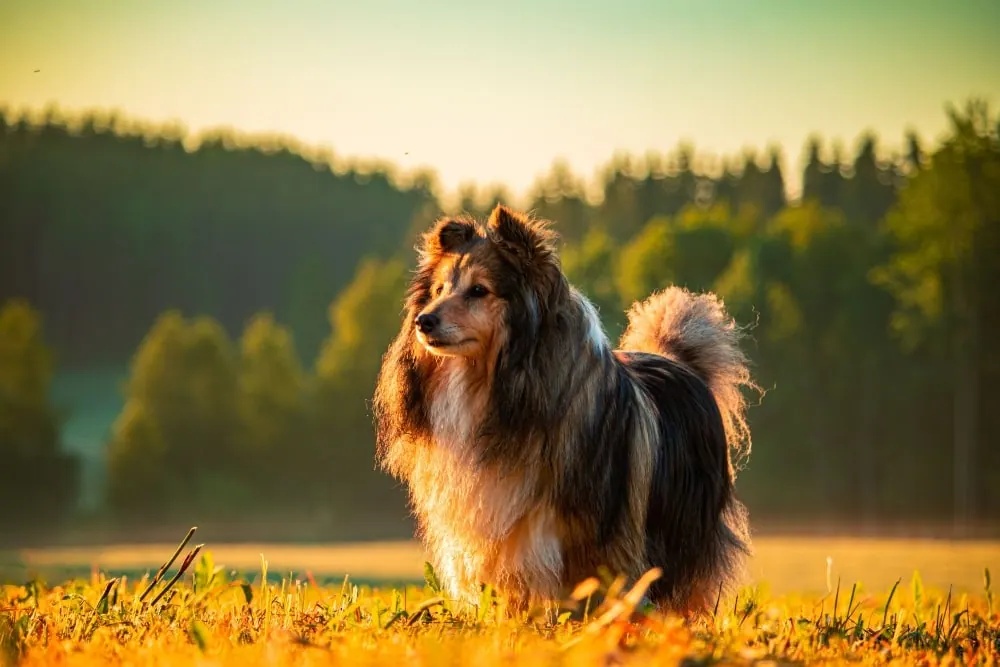
10. Shetland Sheepdog
Shetland Sheepdogs, or Shelties, are intelligent, gentle, and friendly dogs. They are known for their loyalty and affectionate nature, making them good companions for cats. Shelties are also highly trainable, which can help in teaching them how to interact appropriately with feline housemates. Their calm demeanor and patience make them well-suited for a multi-pet household.
Shetland Sheepdog Key Features
- Intelligent and gentle
- Friendly and loyal
- Highly trainable
Tips for Introducing Dogs and Cats
- Gradual Introductions: Allow both pets to get used to each other’s scent before meeting face-to-face. This can be done by swapping bedding or using a pet-safe scent transfer method.
- Supervised Interactions: Initially, supervise all interactions between your dog and cat to ensure they are safe and comfortable with each other.
- Positive Reinforcement: Reward both pets for calm and positive behavior towards each other. Treats, praise, and affection can help reinforce good interactions.
- Safe Spaces: Ensure your cat has plenty of high places and hiding spots where they can retreat if they feel threatened. Dogs should also have their own space to relax and feel secure.
- Patience: Building a harmonious relationship between a dog and a cat takes time. Be patient and give both pets the time they need to adjust to each other.
Choosing a cat-friendly dog breed can significantly enhance the chances of a peaceful and happy multi-pet household. While each dog has its own personality, breeds known for their gentle, friendly, and adaptable nature are more likely to get along well with feline companions. By selecting the right breed and following proper introduction techniques, you can create a harmonious environment where both your dog and cat can thrive.
Whether you’re looking for a playful Beagle, a gentle Cavalier King Charles Spaniel, or an intelligent Poodle, there’s a cat-friendly dog breed out there to suit your needs. Remember, the key to a successful multi-pet household lies in patience, training, and a willingness to understand and meet the needs of both your dog and cat.