Kennel Cough in Dogs: A Contagious Cough That Still Needs a Veterinary Exam
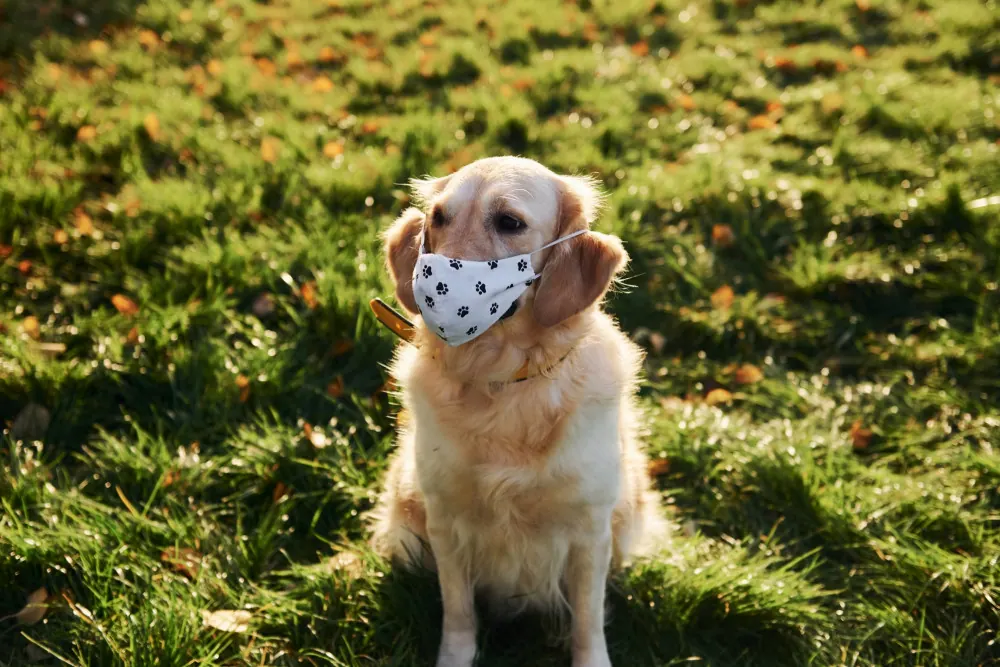
Kennel cough is a contagious respiratory illness, not a mystery cough to treat with a home remedy or a supplement. Dogs can pick it up where many dogs gather, but they can also get similar coughs from other infections or from heart or airway disease. A honking cough, runny nose, or a dog that is lethargic, breathing hard, or not eating needs a veterinary exam, especially in puppies and flat-faced breeds. Do not wait on a blog protocol, and do not use leftover human cough medicine unless your veterinarian has directed it.
This is general information, not a diagnosis. The Merck Veterinary Manual dog-owner pages are a reliable place to read more before you talk with your veterinarian.
Vaccines matter for contagious illness; our note on low-cost pet vaccinations is about access, not a replacement for your veterinarian.
Vaccines can reduce risk of some causes, but they are not a perfect shield. Ask your veterinarian about prevention before boarding or class, and keep a sick dog away from other dogs until the clinic says it is safe.
Kennel cough, formally known as infectious tracheobronchitis, is a highly contagious respiratory disease among dogs. Characterized by a harsh, dry cough, it can spread rapidly in environments where dogs congregate, such as kennels, dog parks, and grooming salons. Despite its alarming symptoms, kennel cough can be managed effectively with proper care and preventive measures. This comprehensive guide delves into the causes, symptoms, treatments, and prevention of kennel cough, providing dog owners with essential information to safeguard their pets’ health.
What is Kennel Cough
Kennel cough is primarily caused by the Bordetella bronchiseptica bacterium, although viruses such as the canine adenovirus, parainfluenza virus, and mycoplasma can also contribute to the infection. The disease affects the respiratory system, leading to inflammation of the trachea and bronchi.
How Dogs Contract Kennel Cough
The disease is transmitted through airborne droplets, direct contact with infected dogs, or contact with contaminated surfaces. The high contagion rate underscores the importance of vaccination and isolation of infected pets to prevent outbreaks.
Symptoms of Kennel Cough in Dogs
The hallmark symptom of kennel cough is a persistent, forceful cough that often sounds like a honking noise. Other symptoms may include sneezing, runny nose, lethargy, loss of appetite, and a low fever. Symptoms usually appear 3 to 10 days after exposure and can last from 1 to 3 weeks.
https://www.youtube.com/watch?v=H17CaoVH2wU&pp=ygUSa2VubmVsIGNvdWdoIHNvdW5k
Diagnosing Kennel Cough
Veterinarians typically diagnose kennel cough based on clinical signs and the dog’s history of exposure. In some cases, diagnostic tests such as throat swabs, blood tests, or chest x-rays may be necessary to rule out other conditions or identify secondary infections.
Treatment Options
Most cases of kennel cough are mild and can be treated at home with rest, hydration, and proper nutrition. However, veterinarians may prescribe antibiotics to treat bacterial infections or cough suppressants to alleviate severe coughing. It’s crucial to follow the vet’s recommendations and complete the full course of medication to prevent relapse or resistance.
Managing Your Dog’s Environment
Creating a stress-free and comfortable environment is key to your dog’s recovery. Keep your pet in a well-ventilated area away from smoke or strong odors that could irritate the respiratory tract. A humidifier can also help soothe inflamed airways and ease breathing.
Preventing Kennel Cough
Vaccination is the most effective preventive measure against kennel cough. Dogs that frequent social settings should receive the Bordetella vaccine and updates on their regular vaccinations. Additionally, maintaining good hygiene in pet areas and avoiding crowded dog facilities during outbreaks can significantly reduce the risk of infection.
When to Consult a Veterinarian
If your dog shows signs of kennel cough, it’s important to consult a veterinarian promptly, especially if symptoms are severe or your pet has a preexisting health condition. Early intervention can prevent complications and ensure a smooth recovery.
Kennel cough can be a distressing experience for both dogs and their owners. However, with early detection, appropriate care, and preventive measures, it is manageable. By staying informed and vigilant, dog owners can protect their pets from this common but preventable disease, ensuring their furry friends remain healthy and happy.


