How Old is a Cat in Human Years: A Comprehensive Guide
We earn from qualifying Amazon purchases. It doesn't change what we recommend.

For general feline health context, the Merck Veterinary Manual cat-owner pages are a reliable starting point, and your veterinarian should guide individual decisions.
Understanding how old your cat is in human years can help you provide better care and empathize more with your feline friend. This guide will explain the conversion of cat years to human years, discuss the aging process of cats, and offer insights into factors that influence their longevity.
Understanding Cat Age Conversion
Unlike dogs, cats age differently, and their aging process can be more challenging to interpret. While the common belief is that one cat year equals seven human years, this simple conversion doesn’t accurately reflect the complexities of feline aging.
The Cat Year to Human Year Formula
Veterinarians have developed a more accurate method to convert cat years to human years. Here’s a breakdown:
- First Two Years:
- The first year of a cat’s life is equivalent to approximately 15 human years.
- The second year equals about nine additional human years.
- Subsequent Years:
- Each year after the second year is roughly equivalent to four human years.
Using this formula, you can calculate your cat’s age more accurately. For example, a five-year-old cat would be comparable to a 36-year-old human (15 + 9 + 4×3).
Why Cats Age Differently
Cats’ rapid aging in their first few years can be attributed to their developmental stages. Kittens grow quickly, reaching sexual maturity within their first year. By the second year, they have fully matured into adults. After these initial years, the aging process slows down, resembling a more gradual aging pace similar to humans.
Factors Influencing Cat Longevity
Several factors can influence a cat’s lifespan:
- Breed:
- Some breeds, like the Siamese and Burmese, are known for their longevity, often living into their late teens or early twenties.
- Mixed-breed cats often have fewer genetic health issues, potentially leading to longer lifespans.
- Lifestyle:
- Indoor cats generally live longer than outdoor cats due to fewer risks such as traffic, predators, and disease.
- Regular veterinary care, vaccinations, and a balanced diet contribute significantly to a cat’s health and longevity.
- Genetics:
- Like humans, genetics play a crucial role in a cat’s lifespan. Some cats may be predisposed to certain health conditions that can affect their longevity.
- Diet and Exercise:
- A balanced diet tailored to a cat’s age, weight, and health needs can prolong their life.
- Regular exercise helps maintain a healthy weight and prevents obesity-related diseases.
- Healthcare:
- Preventative healthcare, including regular vet check-ups, dental care, and parasite control, can catch and treat issues early, ensuring a longer, healthier life.
Signs of Aging in Cats
As cats age, they exhibit signs similar to aging humans:
Behavioral Changes:
-
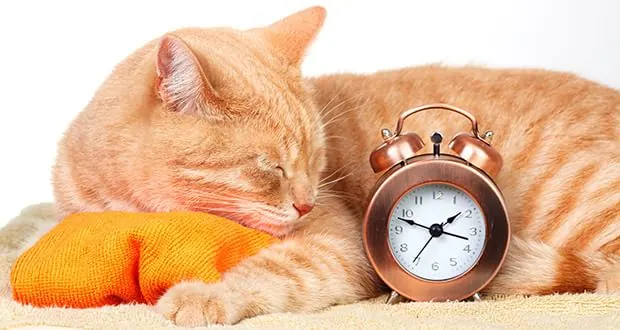
- Older cats may become less active, sleep more, and show reduced interest in play.
- They might also become more vocal or show signs of confusion.
Physical Changes:
-
- Weight changes, either loss or gain, can indicate health issues.
- Coat condition may deteriorate, becoming thinner or coarser.
Health Issues:
-
- Senior cats are prone to arthritis, dental disease, kidney problems, and hyperthyroidism.
- Regular vet visits are crucial for early detection and management of these conditions.
Caring for an Aging Cat
Providing proper care for your aging cat can significantly improve their quality of life:
Regular Veterinary Visits:
-
- Annual or bi-annual vet check-ups are essential for monitoring your cat’s health.
- Blood tests, dental exams, and weight monitoring can help detect issues early.
Dietary Adjustments:
-
- Senior cats may require diets formulated for older cats, with lower calories and higher fiber content.
- Supplements like glucosamine for joint health can be beneficial.
Comfortable Living Environment:
-
- Ensure your home is senior cat-friendly with easy access to litter boxes, food, and water.
- Soft bedding and warm resting areas can provide comfort for arthritic joints.
Mental Stimulation:
-
- Engage your cat with gentle play and interactive toys to keep their mind active.
- Puzzle feeders and new experiences can help prevent cognitive decline.
Understanding your cat’s age in human years can deepen your connection and help you better care for them as they grow older. By considering factors like breed, lifestyle, and health care, you can ensure your feline friend enjoys a long, healthy, and happy life. Regular vet visits, a balanced diet, and a comfortable living environment are key to supporting your cat through their senior years. Remember, each cat is unique, and their aging process may vary, so always consult with your veterinarian for personalized advice.