A Guide to Properly Brushing Your Dog’s Teeth
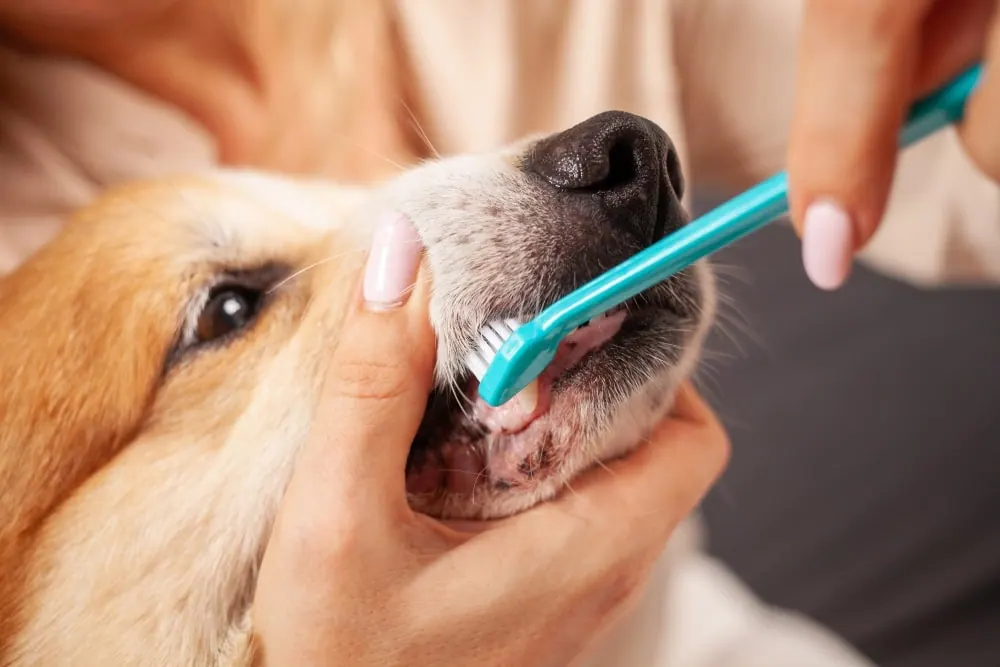
Good dental hygiene is as crucial for your dog as it is for you. Regularly brushing your dog’s teeth can prevent gum disease, tooth decay, and mitigate the risk of serious health complications associated with poor dental health. This guide will walk you through the essentials of canine dental care, including why it’s important, how to do it properly, and tips to make the process easier and more effective.
As an Amazon Associate, we earn from qualifying purchases.
Why Brush Your Dog’s Teeth?
Dental disease is one of the most common health issues in dogs. By the age of three, most dogs exhibit some sign of periodontal disease, which can lead to pain, bad breath, tooth loss, and more severe health issues like infections or even organ damage due to the spread of bacteria from the mouth to the rest of the body. Brushing your dog’s teeth regularly helps remove plaque and prevent the buildup of tartar, thus protecting your dog from these complications.
When to Start Brushing
The best time to start brushing your dog’s teeth is when they are a puppy, as this will help them get used to the routine. However, it’s never too late to start. Even older dogs can learn to tolerate and even enjoy tooth brushing with patience and training.
Choosing the Right Supplies
To start, you will need a few key items:
- Dog-specific toothpaste: Human toothpaste contains ingredients like xylitol, which is toxic to dogs. Always use a toothpaste formulated for dogs.
- A suitable toothbrush: Dog toothbrushes have softer bristles and are angled differently to effectively clean their teeth. Finger brushes can also be a good option, especially for smaller dogs or beginners.
- Dental wipes or sprays: These can be used on days when brushing isn’t possible.
See top-rated https://www.amazon.com/s?k=dog+dental+care&tag=munch09-20 on Amazon
For general pet-health questions, the AVMA pet-owner resources are a reliable starting point, and your veterinarian should guide individual decisions.
Step-by-Step Guide to Brushing Your Dog’s Teeth
1. Preparation
Begin by ensuring your dog is comfortable and calm. Choose a quiet time and place to introduce your dog to the supplies. Let them sniff and taste the toothpaste from your finger. This can help make the actual brushing less stressful.
2. Introduce the Toothbrush
Start by using your finger before introducing the brush. With a small amount of toothpaste, use your finger to rub your dog’s teeth and gums. This gets them used to the sensation.
3. Brushing Technique
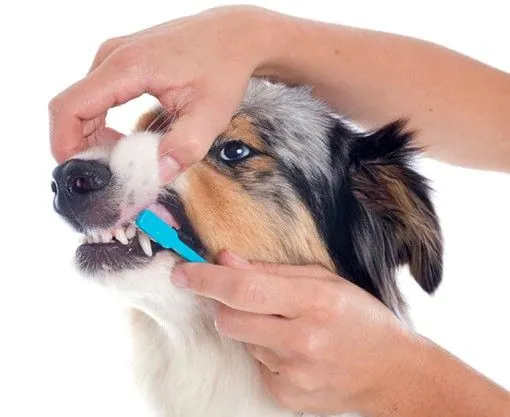
Once your dog is comfortable, switch to using the toothbrush. Lift your dog’s lip to expose their teeth. Gently brush with circular motions focusing on the gum line. Start with a few teeth and gradually increase as your dog gets more comfortable.
4. Frequency
Aim to brush your dog’s teeth daily, but if that’s not possible, strive for three to four times per week. Consistency is key to maintaining your dog’s dental health.
5. Post-Brushing Rewards
Always end each session on a positive note. Offer praise and a dental-friendly treat to associate tooth brushing with a positive experience.
https://www.youtube.com/watch?v=F6S50BZU1D0
Tips for Success
- Patience is Key: Some dogs may resist brushing initially. Be patient and gradually increase the brushing time.
- Regular Checks: Regularly check your dog’s mouth for signs of dental disease like red gums, bad breath, or loose teeth.
- Professional Cleanings: Regular veterinary check-ups and professional cleanings are essential to maintain optimal dental health.
Conclusion
Brushing your dog’s teeth might seem daunting at first, but with the right tools and approach, it can become a simple addition to your pet’s health routine. By maintaining regular dental care, you ensure your dog’s mouth remains healthy, preventing future dental issues and contributing to their overall well-being. Remember, a clean mouth supports a long, happy life for your furry friend.