Dogs and Alcohol: Understanding the Risks and Safety Measures
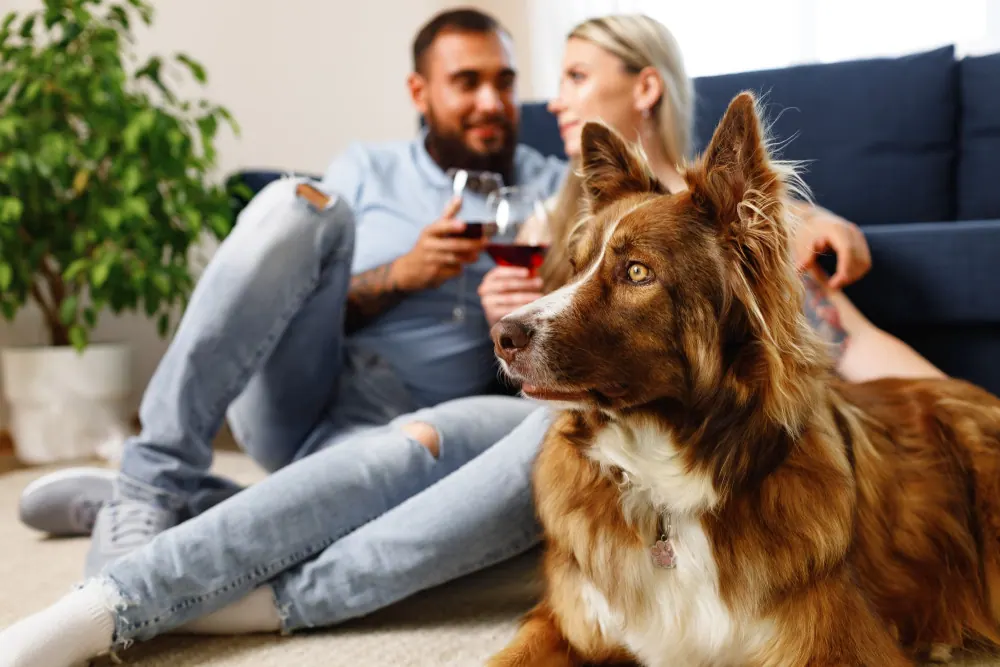
If you are unsure whether a food is safe, the ASPCA’s list of people foods to avoid feeding pets is a reliable starting point, and a veterinarian or poison-control professional should be called if a pet already ate something questionable.
Alcohol is a common substance in households, used both for cooking and consumption. While moderate alcohol consumption is a part of social life for many people, it poses significant risks to our pets, particularly dogs. This article delves into the dangers of alcohol for dogs, the symptoms of alcohol poisoning in dogs, and measures to keep your furry friends safe.
The Dangers of Alcohol to Dogs
Dogs are far more sensitive to alcohol than humans. Their smaller body size and different metabolism rates make them more susceptible to the toxic effects of alcohol. It’s not just beverages that pose a risk; foods containing alcohol, mouthwashes, and certain cleaning products can also be harmful if ingested by your pet.
Ethanol, the type of alcohol found in alcoholic beverages, can cause severe intoxication in dogs. The ingestion of even a small amount can lead to alcohol poisoning in dogs, which, if not treated promptly, can be fatal.
Symptoms of Alcohol Poisoning in Dogs
Recognizing the signs of alcohol poisoning in dogs is crucial for their safety. Symptoms can vary depending on the amount of alcohol ingested and the size of the dog but generally include:
- Vomiting
- Diarrhea
- Poor coordination
- Difficulty breathing
- Lethargy
- Excessive drooling
- Collapse or loss of consciousness
In severe cases, alcohol poisoning can lead to coma or death. If you suspect your dog has ingested alcohol, it is imperative to seek veterinary care immediately.
How Dogs Might Be Exposed to Alcohol
Dogs can be exposed to alcohol in several ways, often accidentally. Spilled drinks, desserts containing alcohol, and even hand sanitizers are potential sources. During gatherings or parties, it’s not uncommon for dogs to sneak a sip from unattended glasses. Additionally, some owners may unknowingly give their dogs alcohol, mistaking their pet’s curiosity for a willingness or desire to consume these substances.

Preventing Alcohol Exposure in Dogs
Prevention is the best approach to protect dogs from the dangers of alcohol. Here are some tips to ensure your pet’s safety:
- Keep Alcoholic Beverages Out of Reach: Always ensure that alcoholic drinks are kept far from where pets can reach them. During parties, remind guests to keep their drinks in hand or place them high up.
- Be Mindful of Food Containing Alcohol: Foods prepared with alcohol may still contain trace amounts after cooking. It’s best to avoid feeding your dog any food that has been in contact with alcoholic substances.
- Store Household Products Safely: Many household items contain alcohol. Ensure these are stored in secure cabinets or areas your dog cannot access.
- Educate Your Household: Make sure everyone in your home understands the risks alcohol poses to dogs and the importance of keeping it away from them.
What to Do If Your Dog Ingests Alcohol
If you suspect your dog has ingested alcohol, acting quickly is critical. Here’s what you need to do:
- Don’t Wait for Symptoms to Appear: If you know or suspect your dog has consumed alcohol, don’t wait for signs of poisoning to seek help.
- Contact Your Veterinarian Immediately: Explain what your dog ingested, approximately how much, and when it happened. Your vet can provide guidance on what steps to take next.
- Follow Veterinary Advice: This may include bringing your dog to the clinic for examination and treatment. Treatments can range from inducing vomiting to more intensive care, depending on the severity of the poisoning.
Long-Term Impacts of Alcohol on Dogs
While immediate treatment can often save a dog from the acute effects of alcohol poisoning, there can be long-term health implications. These can range from gastrointestinal issues to neurological problems, depending on the amount of alcohol ingested and the promptness of treatment.
The relationship between dogs and alcohol should be one of strict avoidance. Understanding the risks and symptoms of alcohol poisoning in dogs is essential for any pet owner. By taking preventive measures and knowing what to do in case of accidental ingestion, you can help ensure your dog’s safety and well-being. Responsible pet ownership includes protecting our furry family members from hazards, including those that might seem harmless to humans but are dangerous to them.


