Dog Food Nutrition Labels Explained: Completeness Beats Marketing Words
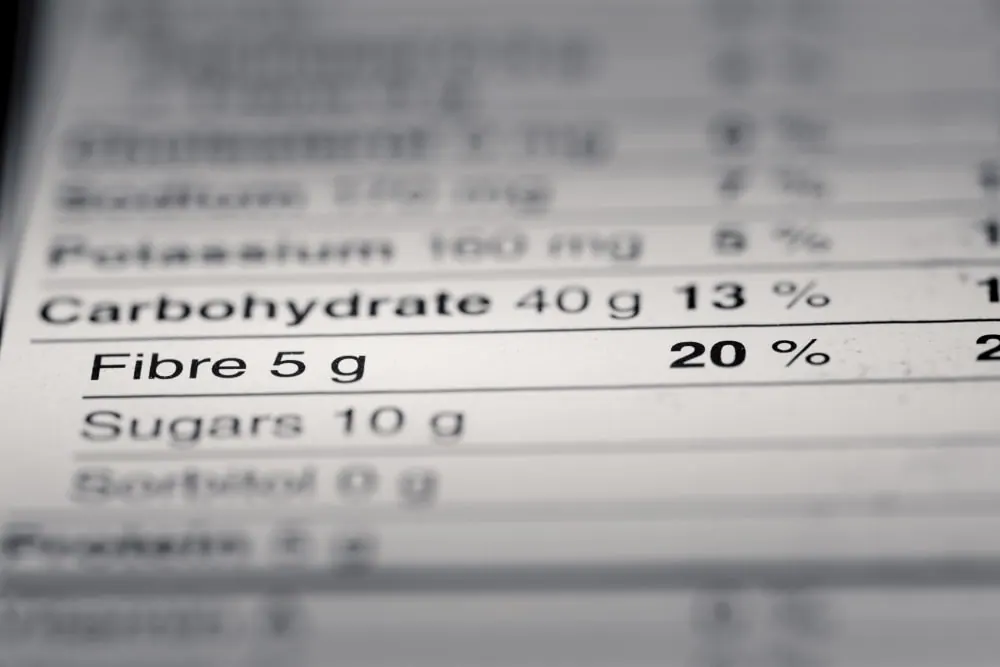
A dog-food label is more useful than the picture on the bag, but it is also easy to misread. The nutritional adequacy statement, which says whether the food is complete and balanced for a life stage, usually tells you more than a first ingredient or a “natural” claim. Crude protein, fat, and fiber are a guaranteed analysis, not a quality ranking. Calorie content, feeding guidelines, and your dog’s body condition decide portions. Marketing words are not a regulated grade.
If you want more context, see top dog food brands, wet vs dry dog food guide, and our notes on complete diets. For a medical issue, your veterinarian’s diet recommendation outranks any label buzzword.
Choosing the right food for your dog involves more than just grabbing the nearest bag off the shelf. Understanding the nutrition labels on dog food can greatly impact your pet’s health and happiness. This article will guide you through the essential elements of dog food labels, from deciphering ingredient lists to interpreting nutritional facts, so you can make informed choices that benefit your furry friend’s dietary needs.
What Are Dog Food Nutrition Labels?
Nutrition labels on dog food are designed to provide pet owners with important information about the contents of the product. These labels include details about the ingredients, the percentage of essential nutrients, and other important dietary information. Regulatory bodies such as the Association of American Feed Control Officials (AAFCO) and the Food and Drug Administration (FDA) set standards and guidelines to ensure that these labels meet certain nutritional and health claims.
Understanding the Ingredient List
The ingredient list on a dog food label is arranged in descending order by weight. This means that the first listed ingredients make up the bulk of the food. Here’s what you should look for:
- Proteins: High-quality sources like chicken, beef, or fish should be listed first. These provide essential amino acids that are crucial for your dog’s health.
- Carbohydrates: Sources such as rice, barley, and vegetables provide energy, vitamins, and fiber. However, they should not overshadow the protein sources.
- Fats: These are necessary for the absorption of vitamins and for providing energy. Look for named fat sources like chicken fat or salmon oil, which also contribute to a healthy coat and skin.
- Additives: Vitamins and minerals should be included to ensure a balanced diet. However, be cautious of artificial flavors, colors, or preservatives like BHA and BHT, which can be harmful in large quantities.
The Guaranteed Analysis
This section of the dog food label provides information about the minimum percentages of crude protein and fat, along with the maximum percentages of crude fiber and moisture. This analysis helps you understand the nutritional content of the food but remember that “crude” refers to the method of measuring these components, not the quality of the nutrients themselves.
- Protein: Essential for growth, maintenance, and energy.
- Fat: Provides energy, aids in the absorption of vitamins, and maintains healthy skin and fur.
- Fiber: Aids in digestive health.
- Moisture: Wet foods typically have higher moisture content, which is important for hydration but means lower nutrient density.
Caloric Content
Calorie content can usually be found on the label and is expressed in kilocalories per kilogram (kcal/kg) and often as kcal per cup or can. Knowing the caloric content is essential for managing your dog’s diet and preventing obesity.
Nutritional Adequacy Statement
This part of the label indicates whether the food is complete and balanced for a particular life stage (e.g., puppy, adult, senior) according to AAFCO standards. It might also specify if the food is intended for intermittent or supplemental feeding only.
Feeding Guidelines
Feeding guidelines provide a starting point for how much food to give your dog based on its size, age, and activity level. These are only guidelines and should be adjusted to meet your dog’s individual needs.
Manufacturer’s Information
This includes the name and address of the manufacturer, net weight of the food, and a batch or lot number. This information can be useful in the event of a product recall or when seeking more specific information from the manufacturer.
Deciphering Specialized Diets
Dogs with specific dietary needs due to allergies, sensitivities, or health conditions might require specialized diets. These foods often have adjustments in protein, fat, and carbohydrate levels and might include novel protein sources or hydrolyzed proteins to minimize allergic reactions.
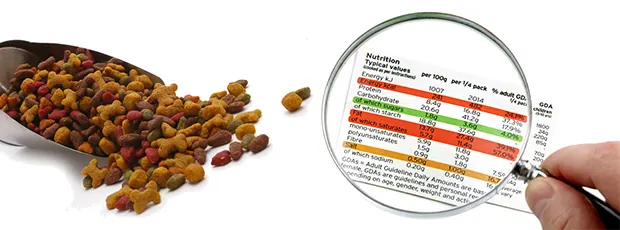
Understanding dog food nutrition labels is crucial for providing your pet with a healthy diet. By learning to read these labels correctly, you can ensure that your dog gets the nutrients it needs for a healthy and energetic life. Always consider your dog’s specific nutritional needs and consult with a veterinarian when making significant changes to its diet or if you have concerns about its health related to diet.
By equipping yourself with the knowledge to interpret dog food nutrition labels effectively, you’re taking a significant step towards enhancing your dog’s wellbeing and longevity.


