Do Animals Feel Love?
For general pet-health questions, the AVMA pet-owner resources are a reliable starting point, and your veterinarian should guide individual decisions.
Love is often considered a deeply human emotion, but anyone who has ever shared their life with a pet might argue otherwise. The warmth in a dog’s eyes, the way a cat purrs contentedly while snuggled on your lap, or the playful nudge of a horse—all seem to convey feelings akin to love. But can animals truly experience this powerful emotion? Understanding the emotional lives of animals is a topic that scientists, animal lovers, and philosophers have pondered for centuries.
In this article, we will explore the question: Do animals feel love?
The Nature of Love in Animals
Love, in its broadest sense, involves attachment, affection, and care. It is often associated with nurturing behavior, loyalty, and bonds that stand the test of time. These qualities are not exclusive to humans—many animals exhibit behaviors that suggest they experience love or something quite similar.
Take dogs, for example. Anyone who has spent time with a loyal canine knows how deeply attached they can become to their human companions. Dogs will follow their owners around, greet them with enthusiasm, and even show signs of distress when separated. This attachment is not just about basic needs like food and shelter—dogs have been observed to show love and loyalty even in challenging circumstances, suggesting a deeper bond.
The Science of Animal Love
Research in animal behavior and neuroscience has provided compelling evidence that animals can indeed feel love, or at least the emotions that closely resemble what humans define as love. Animals have been shown to produce oxytocin, often referred to as the “love hormone.” This hormone is central to the formation of bonds and attachment in humans, and it plays a similar role in animals.
For instance, studies have shown that dogs’ oxytocin levels increase when they interact with their owners. Similarly, when a mother cow licks her calf, both experience a spike in oxytocin, strengthening their bond. This hormonal response is seen across many species, suggesting that emotional bonds, akin to love, are a biological reality for animals.
Animals and Empathy
Another indicator that animals may experience love is their capacity for empathy. Numerous studies have shown that certain animals, particularly mammals, can recognize and respond to the emotions of others. This ability to understand and share the feelings of another is a key component of love.
Elephants, for example, are known for their empathy. They have been observed mourning their dead, showing visible signs of grief and sadness, and even comforting one another. Dolphins, too, are known to form deep bonds with each other, displaying acts of kindness and support when one of their pod is in distress.
Even smaller animals, like rats, have shown signs of empathy. In experiments, rats have been known to free other trapped rats, sometimes even forgoing the opportunity to obtain food in order to help their companion. Such actions suggest an emotional depth that goes beyond mere survival instincts.
Human-Animal Bonds
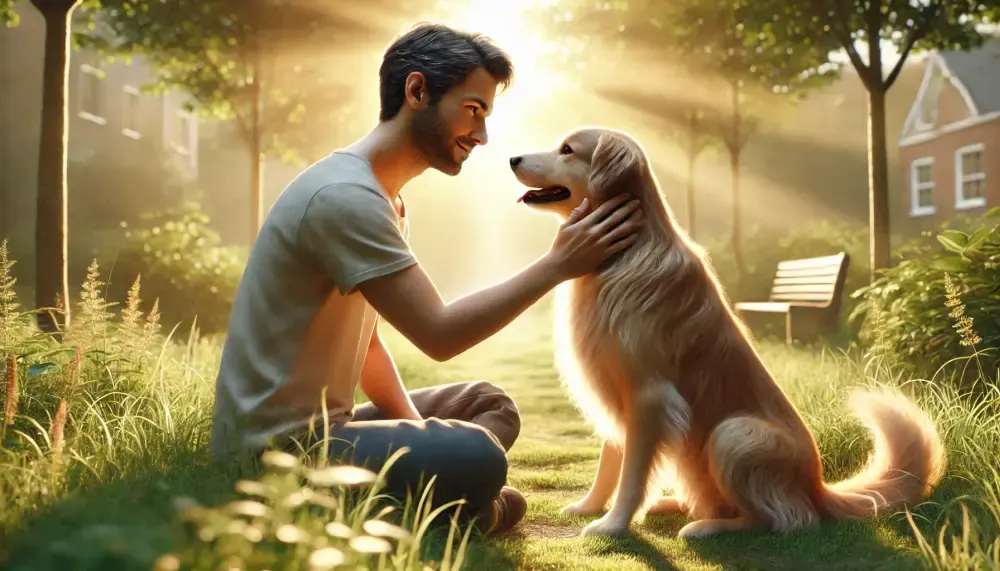
The love that humans share with their pets is another area where we see emotional depth in animals. Many pet owners feel a genuine, loving connection with their animals, and it’s clear that these animals often return that affection in their own ways. Dogs are known for their loyalty, cats can show affection through purring and head-butting, and even animals like rabbits and birds can form strong emotional bonds with their human caretakers.
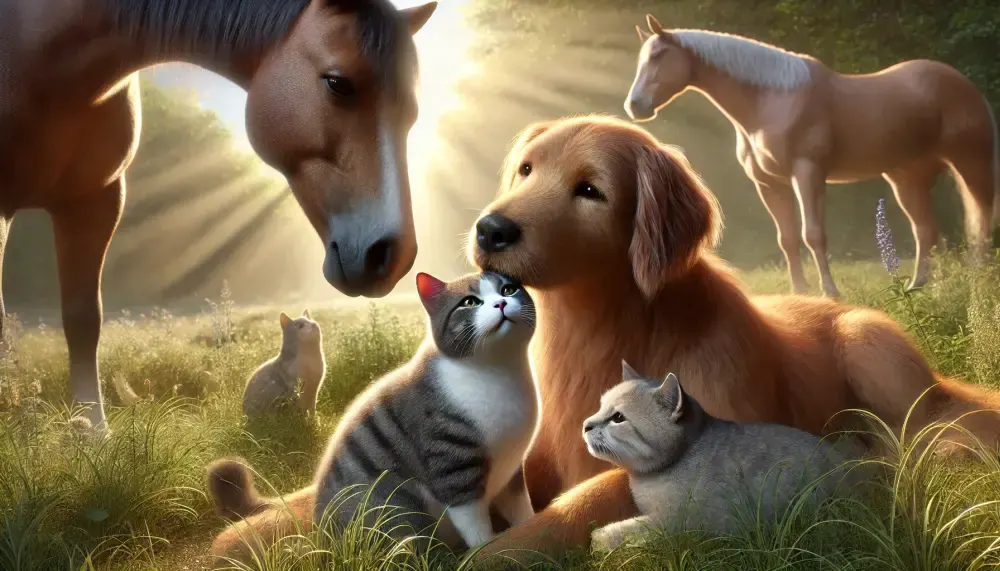
The mutual bond between humans and animals is something special and profound. Whether it’s the protective love a dog feels for its owner or the affectionate nuzzle from a horse, these interactions point to the existence of love across species.
Differences Between Species
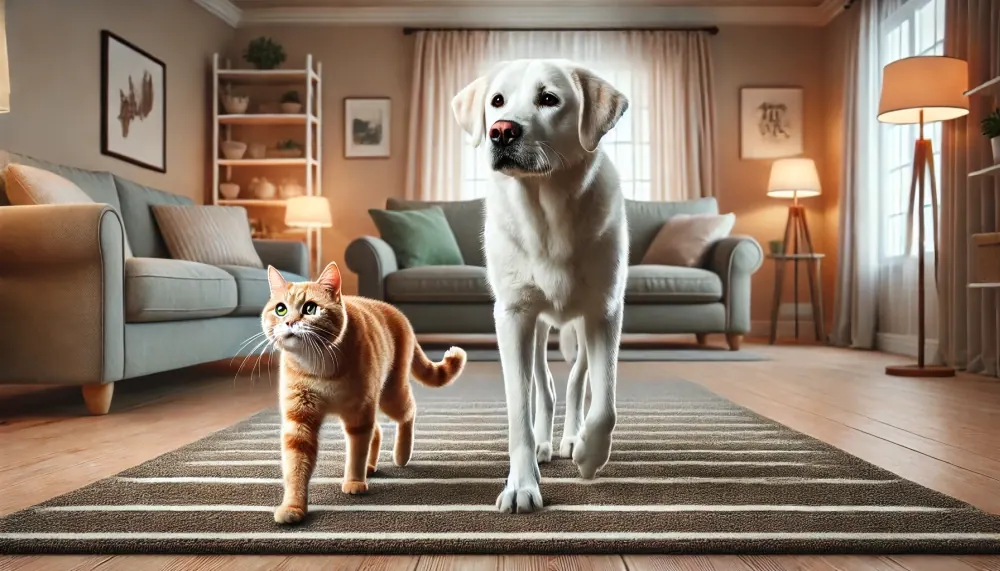
While animals clearly form bonds and display affection, the way they express love can vary significantly between species. Some animals, like dogs, are very demonstrative, showing overt signs of affection. Others, like cats, may be more subtle, expressing love through gentle nudges or spending time near their humans.
In the wild, animals also form strong bonds. Wolves, for example, have intricate social structures within their packs. They are loyal, protective, and show affection towards each other, grooming and playing together as a way of strengthening their bonds.
Primates, like chimpanzees and bonobos, exhibit behaviors that are strikingly similar to human affection. These animals will hug, kiss, and groom one another, often using physical contact as a way to build and maintain social connections. Bonobos, in particular, are known for their peaceful and affectionate interactions within their social groups, often engaging in playful or nurturing behavior.
Can Wild Animals Love?
One might wonder if wild animals, which aren’t domesticated like pets, can feel love. While it’s difficult to fully assess their emotional depth without anthropomorphizing, there is plenty of evidence suggesting that wild animals form deep social bonds. Take, for example, the complex family structures of elephants, or the monogamous partnerships formed by certain species of birds, such as swans. These animals stay loyal to their mates and often raise their young together, suggesting a form of love or attachment.
In some cases, animals have even been observed helping members of other species, which could be seen as an act of kindness rooted in empathy. For instance, dolphins have been known to help stranded whales, and there are documented cases of dogs adopting orphaned animals from different species.
Though animals may not experience love in exactly the same way humans do, there is compelling evidence to suggest that they do feel strong emotions, including affection, loyalty, and attachment. Whether it’s the loving bond between a dog and its owner, the deep empathy shown by elephants, or the affectionate behavior of animals in the wild, it’s clear that love is not an emotion unique to humans.
As our understanding of animal behavior grows, so too does our appreciation for the complex emotional lives of the creatures with whom we share the planet. Whether through the gentle nuzzle of a horse or the excited wag of a dog’s tail, animals show us love in their own unique ways.