Common Fillers in Commercial Dog Foods
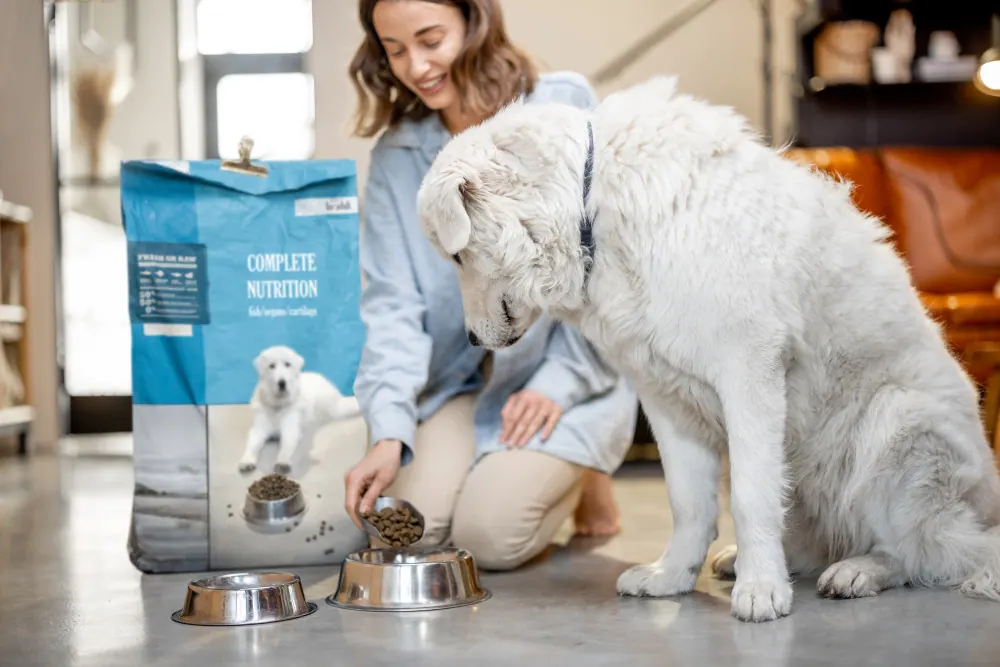
The pet food industry has seen a significant transformation over the years, with an increasing emphasis on the quality of ingredients used in dog foods. Despite this positive trend, many commercial dog foods still contain fillers—ingredients that provide little to no nutritional value to your dog. These fillers are often used to reduce manufacturing costs, help maintain shelf life, or improve the food’s texture and appearance. Understanding the common fillers used in commercial dog foods is crucial for pet owners who wish to provide their dogs with a nutritious and balanced diet.
As an Amazon Associate, we earn from qualifying purchases.
What Are Dog Food Fillers?
Fillers are ingredients added to dog food that are of low nutritional value. They are primarily used to add bulk to the food, allowing manufacturers to produce it more cheaply or to make the product appear more substantial. While some fillers can provide a minimal amount of dietary fiber, which is beneficial to a dog’s digestive system, they are generally considered subpar when it comes to meeting a dog’s nutritional needs.
Common Types of Fillers
1. Grains and Cereals
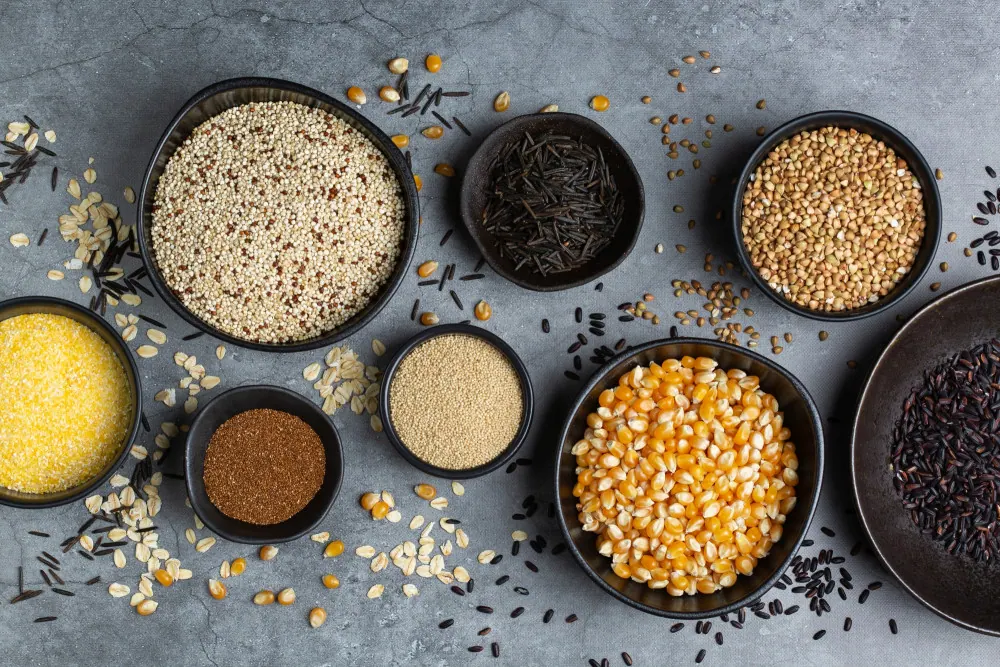
Corn, Wheat, and Soy: These grains are among the most common fillers found in dog food, primarily because they are cost-effective carbohydrate sources. However, their nutritional value for dogs is a subject of debate. Corn is often criticized for being a cheap energy source that is difficult for dogs to digest, potentially leading to spikes in blood sugar and contributing to weight gain. Wheat and soy are known allergens that can cause adverse reactions in some dogs, including skin itching and gastrointestinal distress. Furthermore, these grains are often used in processed forms, which can further reduce their nutritional benefits.
Rice and Barley: While not as problematic as corn, wheat, or soy, rice and barley are sometimes used in excess as fillers. Brown rice and barley can offer more nutritional value, including fiber and vitamins, but they should still be balanced with high-quality protein sources to ensure a well-rounded diet for dogs.
2. By-Products
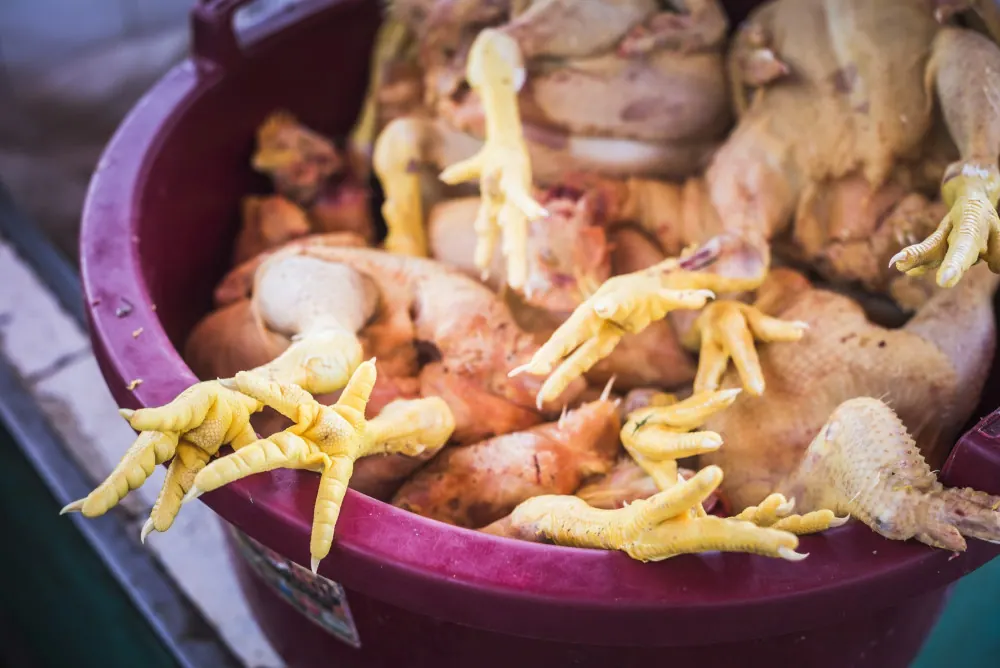
Meat By-Products: Meat by-products include non-muscle parts of animals, such as organs, bones, and tissues. While some by-products, like liver and kidneys, are rich in nutrients, the term “by-products” can also encompass less desirable parts. The nutritional quality of by-products varies greatly depending on the source and processing method. High-quality by-products can be beneficial for dogs, but low-quality options often serve more as fillers than nutritious ingredients.
Poultry By-Products: Similar to meat by-products, poultry by-products are made from non-muscle parts of birds. They can be a source of protein and other nutrients if sourced and processed carefully. However, the inconsistency in quality and the potential inclusion of low-nutrient parts make them a controversial filler.
3. Cellulose
Plant-Based Fiber: Cellulose, a plant-based fiber, is extracted from the cell walls of plants. It’s used in dog food to add bulk and help with stool consistency. While fiber is an essential part of a dog’s diet, contributing to gut health, cellulose is considered a low-quality filler when used in excess. It provides little to no nutritional value beyond its role in promoting bowel regularity. The source of cellulose can also vary, with some coming from wood pulp, making it a less desirable ingredient compared to more nutritious fiber sources like vegetables and fruits.
4. Pea Protein and Other Legume By-Products
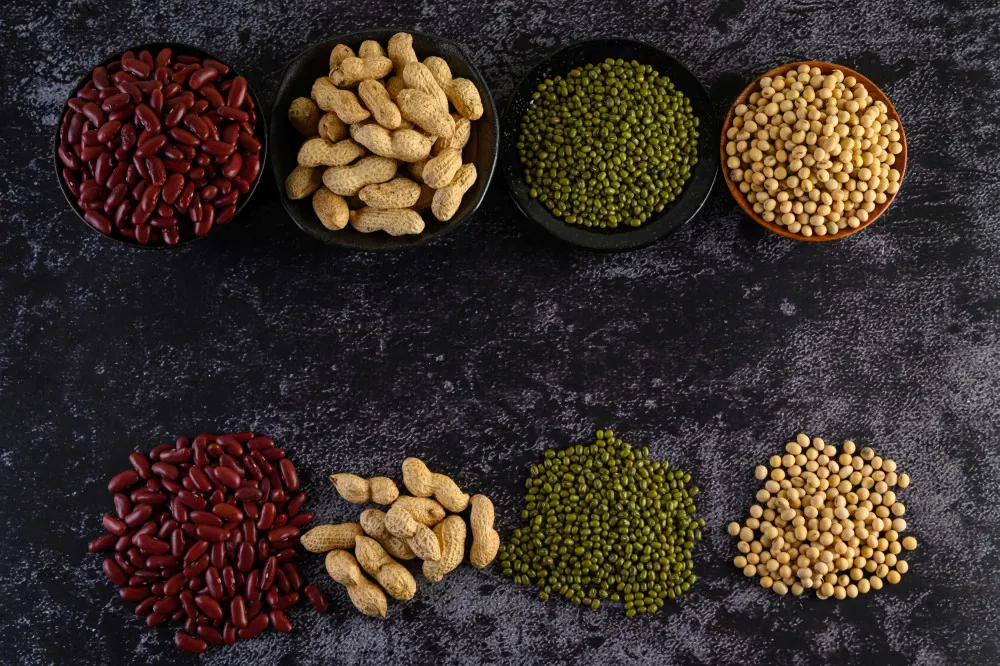
Legume-Based Proteins: In the quest for grain-free dog food options, manufacturers have turned to legumes like peas, lentils, and chickpeas as carbohydrate and protein sources. Pea protein, in particular, is concentrated from peas, removing much of the fiber and nutrients while retaining the protein. While legumes can provide a source of protein and are less likely to cause allergies compared to grains, their amino acid profile is incomplete compared to animal proteins. This means they should not be the primary protein source in dog food. Excessive use of legume by-products can also lead to an imbalance in certain nutrients, such as taurine, which is essential for heart health.
5. Artificial Colors and Flavors
Non-Nutritive Additives: Artificial colors and flavors are added to dog food to make it more appealing to pet owners and to encourage pets to eat foods that might otherwise be unattractive or bland. These additives do not provide any nutritional benefit and, in some cases, may be harmful. Artificial colors have been linked to behavioral issues and allergic reactions in dogs, while artificial flavors can encourage overeating or mask the taste of low-quality ingredients. Natural alternatives, such as spices and herbs, can provide flavor enhancement without the health risks associated with synthetic additives.

The Impact of Fillers on Dog Health
The use of fillers in dog food can have several negative effects on a dog’s health. For one, fillers can lead to obesity. Because they are less nutrient-dense, dogs may need to eat more to feel satiated, leading to an excessive calorie intake. Additionally, the low nutritional value of fillers means that dogs are not receiving the essential vitamins, minerals, and proteins they need for optimal health. This can result in deficiencies and related health issues over time.
Fillers can also exacerbate food allergies and sensitivities. Ingredients like corn, wheat, and soy are known allergens for some dogs, leading to skin irritations, gastrointestinal upset, and other allergic reactions. Furthermore, the poor digestibility of certain fillers can strain a dog’s digestive system, causing issues like bloating, gas, and diarrhea.
Choosing Dog Food Without Fillers
To ensure your dog is receiving a balanced and nutritious diet, it’s important to choose dog food with high-quality ingredients and minimal fillers. Here are some tips for selecting a healthier option for your pet:
- Read Ingredient Labels: Ingredients are listed by weight, so look for dog foods that list high-quality proteins (e.g., chicken, beef, fish) as the first ingredient.
- Avoid Artificial Additives: Choose dog foods that do not contain artificial colors, flavors, or preservatives.
- Look for Whole Foods: Opt for dog foods that use whole foods like fruits, vegetables, and whole grains (for dogs without grain sensitivities) instead of processed by-products and fillers.
- Consult a Veterinarian: Your vet can recommend specific dog food brands or formulations that would be most beneficial for your dog’s health, considering their age, breed, and any existing health issues.
See top-rated Dog Food Without Fillers on Amazon
Look for a complete-and-balanced statement as explained in the FDA guidance on complete and balanced pet food and AAFCO’s consumer guide to understanding pet food. The WSAVA Global Nutrition Guidelines are a useful higher-level reference when you are choosing a food.
The Role of Pet Owners
As pet owners, it’s our responsibility to scrutinize the ingredients in our dogs’ food and make informed choices about what we’re feeding them. While it may be tempting to opt for cheaper dog food options, the long-term health implications for our pets can end up costing more in veterinary bills and reduced quality of life for our beloved dogs. Investing in high-quality dog food without harmful fillers is an investment in our pets’ health and longevity.
Conclusion
Fillers in commercial dog foods are a concern for pet owners who strive to provide the best nutrition for their dogs. By understanding the common fillers used and their potential impacts on dog health, pet owners can make more informed decisions when selecting dog food. Opting for high-quality, nutrient-dense dog food without unnecessary fillers is crucial for maintaining the health, well-being, and happiness of our canine companions.


