Collie Eye Anomaly in Dogs: An Inherited Condition, Not a Home Cure
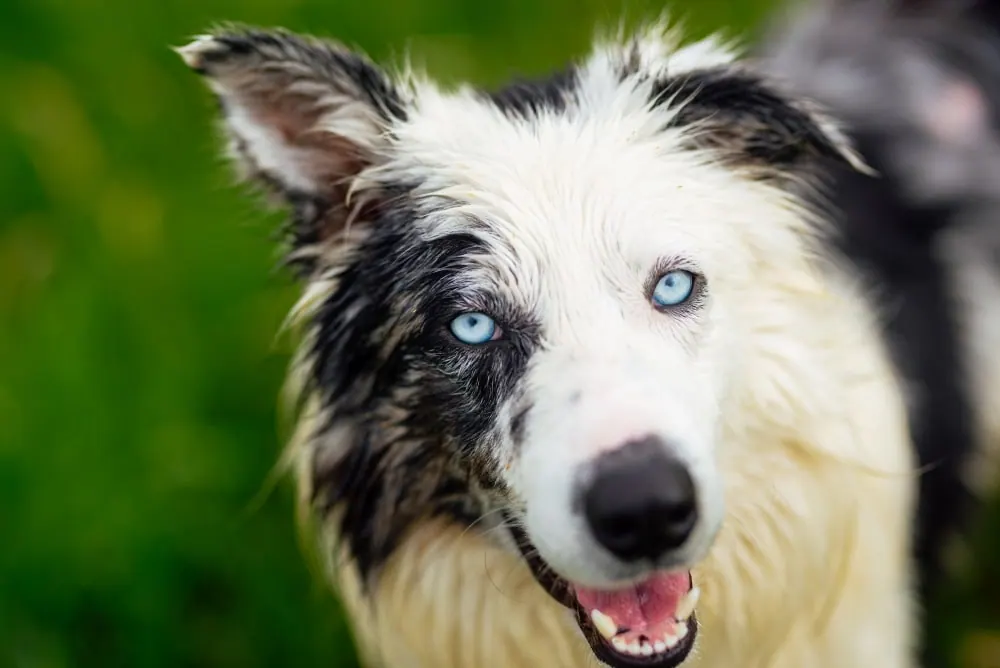
Collie Eye Anomaly (CEA) is an inherited eye condition seen most often in Collies, Shetland Sheepdogs, and some related herding breeds. It is present from early life and can range from mild changes that barely affect vision to, in some dogs, serious defects and blindness. There is no home treatment that reverses the genetic defect. A veterinary ophthalmologist can diagnose it, explain what your dog’s eyes show, and discuss monitoring. Responsible breeding programs use genetic testing and eye exams so affected dogs are not casually bred.
This is general information, not a diagnosis. The Merck Veterinary Manual dog-owner pages are a reliable place to read more before you talk with your veterinarian.
Some inherited eye and other conditions change a dog’s day-to-day needs; we also discuss how to tell if a dog is special needs.
If you have a herding breed, ask the breeder or rescue about CEA testing and schedule an eye exam if it has not been done. Sudden vision change, bumping into objects, or eye pain is a reason to call a veterinarian promptly, whether or not CEA is already on the record.
Collie Eye Anomaly (CEA) is a hereditary condition that affects the eyes of certain dog breeds, particularly Collies, Shetland Sheepdogs, and other herding breeds. This condition can lead to a range of vision problems, from mild impairment to complete blindness. Understanding CEA is crucial for dog owners, breeders, and veterinarians to ensure early detection and appropriate care.
What is Collie Eye Anomaly in Dogs?
Collie Eye Anomaly (CEA) is a congenital, inherited disorder that affects the development of the eye’s choroid, retina, and sclera. It is caused by a recessive gene, meaning that a dog must inherit the gene from both parents to develop the condition. CEA can vary significantly in severity, with some dogs experiencing only minor vision issues, while others may suffer from severe vision loss.
Symptoms of Collie Eye Anomaly in Dogs
The symptoms of CEA can range from mild to severe, depending on the extent of the malformation in the eye structures. Common symptoms include:
- Choroidal Hypoplasia: This is the most common and mildest form of CEA, where the choroid (a layer of blood vessels in the eye) is underdeveloped. It often does not significantly impact vision.
- Coloboma: This is a gap or hole in one of the eye structures, such as the iris, retina, choroid, or optic disc, which can lead to vision impairment.
- Retinal Detachment: In more severe cases, the retina may detach, leading to significant vision loss or blindness.
- Staphyloma: This occurs when the sclera (the white part of the eye) is thinned, causing a bulging area that can affect vision.
- Hemorrhages: Abnormal blood vessel development can lead to bleeding in the eye, which can further complicate vision issues.
Diagnosing Collie Eye Anomaly
CEA is usually diagnosed through a comprehensive eye examination conducted by a veterinary ophthalmologist. The examination involves several steps:
- Dilated Eye Exam: The dog’s eyes are dilated using special eye drops to allow the veterinarian to examine the internal structures of the eye more thoroughly.
- Ophthalmoscopy: This procedure involves using an ophthalmoscope to examine the retina, choroid, and other parts of the eye for abnormalities associated with CEA.
- Genetic Testing: DNA testing can confirm whether a dog carries the gene for CEA. This is particularly useful for breeders to identify carriers and avoid breeding two carriers together, which would increase the risk of producing affected puppies.
Treatment and Management of Collie Eye Anomaly
There is no cure for CEA, but the condition can be managed to ensure the dog’s quality of life. Treatment options depend on the severity of the symptoms:
- Monitoring: For dogs with mild CEA, regular eye exams may be sufficient to monitor the condition and ensure no progression that would require intervention.
- Surgical Intervention: In cases where there is retinal detachment or severe coloboma, surgical procedures may be necessary to repair the retina and preserve vision.
- Medical Management: Anti-inflammatory medications or treatments to reduce intraocular pressure may be prescribed in certain cases to manage symptoms and prevent further complications.
- Vision Aids: For dogs with significant vision impairment, using vision aids such as specialized harnesses and creating a safe, consistent environment at home can help them navigate their surroundings more comfortably.
Preventing Collie Eye Anomaly
Preventing CEA primarily involves responsible breeding practices. Breeders should perform genetic testing on potential breeding dogs to identify carriers of the CEA gene. By avoiding breeding two carriers together, the risk of producing affected puppies can be significantly reduced.
Living with a Dog with Collie Eye Anomaly
Dogs with CEA can lead fulfilling lives, especially if the condition is mild and well-managed. Owners of dogs with CEA should take several steps to ensure their pets’ well-being:
- Regular Veterinary Check-ups: Frequent visits to the veterinarian, particularly a veterinary ophthalmologist, can help monitor the dog’s eye health and catch any changes early.
- Safe Environment: Creating a safe and familiar environment at home can help dogs with vision impairment navigate their surroundings without injury.
- Training and Enrichment: Engaging in training activities that rely on other senses, such as hearing and smell, can provide mental stimulation and maintain a good quality of life for dogs with vision impairment.
- Support and Resources: Connecting with support groups and resources for owners of dogs with CEA can provide valuable information and community support.
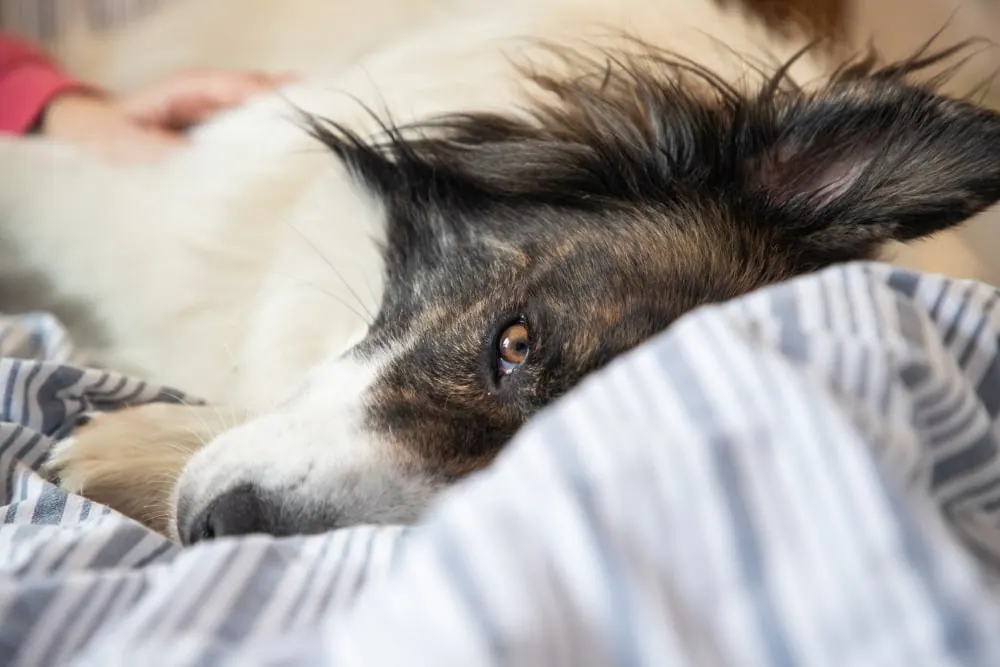
Collie Eye Anomaly is a challenging condition, but with proper diagnosis, treatment, and management, dogs with CEA can live happy and healthy lives. Understanding the symptoms and working closely with veterinary professionals are key to ensuring the best outcomes for affected dogs. Responsible breeding practices are essential to prevent the spread of this genetic condition and protect future generations of herding breeds from its effects.


