Colitis in Dogs: Symptoms, Causes, and Treatment Options
This is general information, not a diagnosis. The Merck Veterinary Manual dog-owner pages are a reliable place to read more before you talk with your veterinarian.
Colitis is a common condition that affects the colon, or large intestine, in dogs. It results in inflammation of the colon, leading to symptoms such as diarrhea, abdominal pain, and discomfort. As a responsible dog owner, understanding colitis, its causes, symptoms, and treatment options is crucial for ensuring the well-being of your canine companion. This article discusses the details of colitis in dogs, offering insights that can help you manage this condition effectively.
What is Colitis?
Colitis refers to inflammation of the colon, which is the final section of the digestive tract. The colon plays a significant role in absorbing water and nutrients, as well as storing waste before it is expelled from the body. When the colon becomes inflamed, its ability to perform these functions is compromised, leading to a range of gastrointestinal symptoms.
In dogs, colitis is not a specific disease but rather a symptom of various underlying conditions. It can be acute, appearing suddenly and lasting for a short duration, or chronic, persisting for weeks, months, or even longer.
Common Causes of Colitis in Dogs
There are several potential causes of colitis in dogs, each with its own set of contributing factors:
- Dietary Indiscretion: One of the most common causes of colitis is dietary indiscretion, where a dog eats something inappropriate or spoiled. This could include table scraps, garbage, or foods that are toxic to dogs. These items can irritate the colon, leading to inflammation.
- Infections: Bacterial, viral, or parasitic infections can cause colitis in dogs. Common pathogens include Salmonella, E. coli, and Giardia. These infections can enter the digestive system through contaminated food, water, or contact with infected animals.
- Stress: Stress-related colitis is another common form, especially in dogs that experience anxiety or significant changes in their environment. Stress can disrupt the normal functioning of the digestive system, leading to inflammation of the colon.
- Allergies: Food allergies or intolerances can also trigger colitis. Certain ingredients in a dog’s diet, such as beef, dairy, wheat, or soy, may cause an allergic reaction that results in inflammation of the colon.
- Inflammatory Bowel Disease (IBD): IBD is a chronic condition characterized by inflammation of the gastrointestinal tract. While the exact cause of IBD is unknown, it is believed to be an immune-mediated disorder where the dog’s immune system attacks its own digestive tract.
- Cancer: In some cases, colitis can be a symptom of colorectal cancer. Tumors in the colon can cause inflammation and disrupt normal bowel movements.
- Foreign Objects: Dogs that ingest foreign objects, such as bones, toys, or other non-food items, may experience colitis as these objects can irritate the lining of the colon.
- Medications: Certain medications, especially non-steroidal anti-inflammatory drugs (NSAIDs), can cause irritation and inflammation of the colon, leading to colitis.
Symptoms of Colitis in Dogs
The symptoms of colitis can vary depending on the underlying cause and severity of the condition. However, some of the most common signs to watch for include:
- Diarrhea: The most prominent symptom of colitis is diarrhea, often accompanied by mucus or blood. The stool may appear loose, watery, or even foamy.
- Frequent Bowel Movements: Dogs with colitis often have an increased urgency to defecate and may pass small amounts of stool more frequently than usual.
- Straining During Defecation: Your dog may strain or show signs of discomfort while attempting to defecate, often with little stool production.
- Abdominal Pain: Dogs with colitis may show signs of abdominal pain, such as whining, panting, or assuming a hunched posture.
- Loss of Appetite: A decrease in appetite or refusal to eat is common in dogs with colitis due to the discomfort associated with the condition.
- Weight Loss: Chronic colitis can lead to weight loss as the dog may not be absorbing nutrients properly.
- Lethargy: A general lack of energy or reluctance to engage in normal activities may be observed in dogs suffering from colitis.
- Vomiting: In some cases, vomiting may accompany colitis, especially if the condition is related to dietary indiscretion or ingestion of foreign objects.
Diagnosing Colitis in Dogs
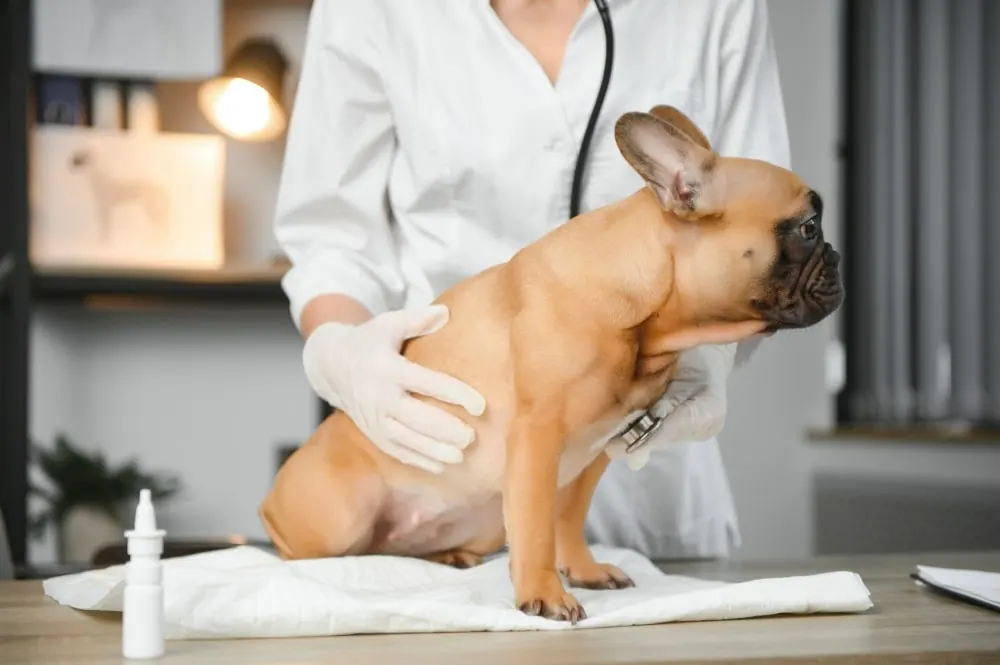
If your dog is showing symptoms of colitis, it’s essential to consult a veterinarian for a proper diagnosis. The vet will conduct a thorough physical examination and may recommend several diagnostic tests, including:
- Fecal Examination: A fecal sample may be analyzed to check for parasites, bacteria, or other pathogens that could be causing colitis.
- Blood Tests: Blood tests can help identify underlying health issues such as infections, allergies, or inflammatory conditions.
- Ultrasound or X-rays: Imaging tests like ultrasound or X-rays may be used to examine the gastrointestinal tract for abnormalities, such as tumors, foreign objects, or thickening of the colon walls.
- Colonoscopy: In some cases, a colonoscopy may be performed to visually inspect the colon and obtain tissue samples (biopsies) for further analysis.

Treatment Options for Colitis in Dogs
The treatment for colitis in dogs will depend on the underlying cause and severity of the condition. Common treatment options include:
- Dietary Changes: For many dogs with colitis, dietary management is a crucial part of treatment. Your vet may recommend a bland diet or a hypoallergenic diet to reduce inflammation and allow the colon to heal. Gradually reintroducing normal food over time can help prevent future episodes.
- Medications: Depending on the cause of colitis, your vet may prescribe medications such as antibiotics (for bacterial infections), antiparasitic drugs (for parasitic infections), anti-inflammatory drugs, or probiotics to support gut health.
- Stress Management: If stress is a contributing factor, addressing the source of stress and providing a calm, stable environment can help alleviate symptoms. In some cases, behavior modification or anti-anxiety medications may be recommended.
- Fluid Therapy: Dogs with severe diarrhea or dehydration may require fluid therapy to restore electrolyte balance and prevent complications.
- Surgery: In cases where colitis is caused by a foreign object or tumor, surgery may be necessary to remove the obstruction or affected tissue.
- Long-term Management: For chronic colitis, long-term management may involve ongoing dietary adjustments, regular veterinary check-ups, and monitoring for any signs of relapse.
Preventing Colitis in Dogs
While it may not be possible to prevent all cases of colitis, there are steps you can take to reduce your dog’s risk:
- Monitor Diet: Avoid feeding your dog table scraps or foods that could upset their stomach. Stick to a balanced, veterinarian-approved diet.
- Regular Vet Visits: Regular veterinary check-ups can help catch any potential health issues early, including those that could lead to colitis.
- Parasite Control: Ensure your dog is on a regular parasite control program to prevent infections that could cause colitis.
- Reduce Stress: Maintain a stable environment for your dog and minimize changes that could cause anxiety or stress.
- Supervise Outdoor Activities: Prevent your dog from scavenging or ingesting foreign objects while outdoors.
Colitis in dogs is a manageable condition with the right care and attention. By understanding the causes, symptoms, and treatment options, you can help your dog lead a comfortable and healthy life. If you suspect your dog may be suffering from colitis, seek veterinary advice promptly to ensure they receive the appropriate treatment and care.


