Can Dogs Have Corn Nuts? Better to Skip This Hard, Salty Snack
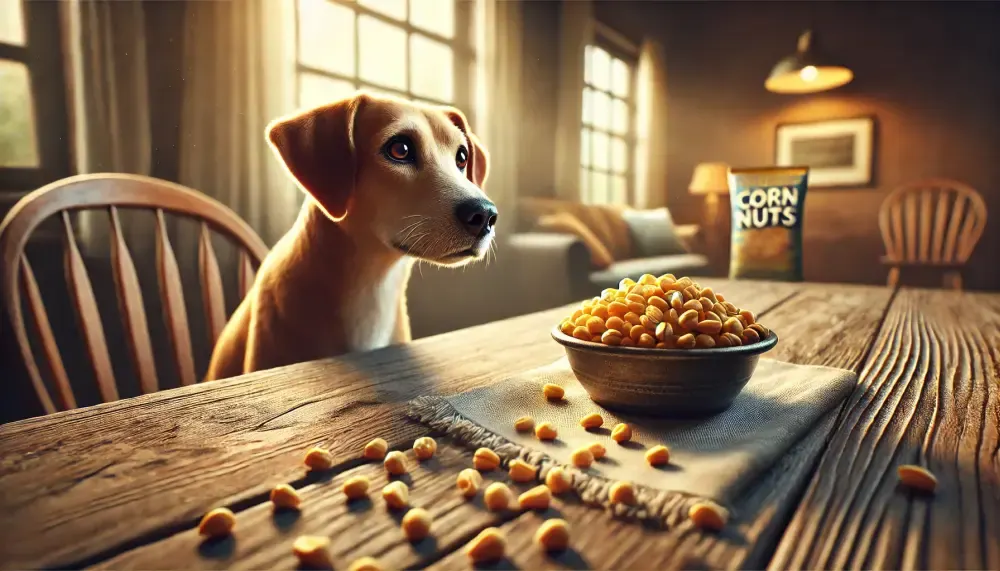
Corn nuts are a poor treat for dogs. They are hard, often heavily salted or seasoned, and easy to choke on or crack a tooth with. Flavored versions may include onion, garlic, chili, or other extras that do not belong in a dog’s bowl. A single stolen piece is unlikely to poison a large, healthy dog, but there is no good reason to offer them. If your dog ate a large amount, or a seasoned flavor, or is gagging, drooling, or in pain, call your veterinarian.
If you are unsure whether a food is safe, the ASPCA’s list of people foods to avoid feeding pets is a reliable starting point, and a veterinarian or poison-control professional should be called if a pet already ate something questionable.
If you are comparing this with other extras, we also have a guide on Can Dogs Have Cranberry Sauce? Better to Skip It.
If you are comparing this with other extras, we also have a guide on Can Dogs Eat Pickles? Better to Skip Them.
Corn nuts are a poor pantry snack. For safer extras, see what human food dogs can eat.
A measured best training treats is a safer crunchy reward. Keep meals as a complete food; see top dog food brands rather than sharing pantry snacks.
Corn nuts are a popular, crunchy snack made from roasted or deep-fried corn kernels, seasoned with various flavors. While they might be a tasty treat for humans, it’s important to understand whether they are suitable for dogs.
Are Corn Nuts Safe for Dogs?
In general, corn nuts are not considered safe for dogs. While a plain, unseasoned corn kernel itself is not toxic to dogs, corn nuts typically contain high levels of salt, oil, and artificial flavorings that can be harmful to your dog. The risks associated with feeding your dog corn nuts include:
- High Salt Content: Corn nuts are often loaded with salt, which can lead to sodium ion poisoning in dogs if consumed in large quantities. Symptoms of salt poisoning include vomiting, diarrhea, excessive thirst, tremors, and in severe cases, seizures.
- High Fat and Oil: Corn nuts are usually fried in oil, making them high in fat. This can contribute to obesity and pancreatitis in dogs if consumed regularly.
- Hard Texture: The crunchy texture of corn nuts can be difficult for dogs to chew and may pose a choking hazard, especially for smaller breeds.
Potential Health Risks of Feeding Corn Nuts to Dogs
If your dog manages to sneak a few corn nuts, there are some potential health issues to be aware of:
- Gastrointestinal Distress: Dogs are not used to processed foods, and consuming corn nuts can cause stomach upset, leading to vomiting, diarrhea, and gas.
- Choking Hazard: The hard and crunchy texture can get lodged in your dog’s throat, especially if your dog tends to gulp down snacks without chewing.
- Risk of Pancreatitis: The high fat content in fried snacks like corn nuts can trigger pancreatitis, a painful and potentially life-threatening inflammation of the pancreas.
What Should You Do If Your Dog Eats Corn Nuts?
If your dog has accidentally eaten a few corn nuts, keep an eye out for any signs of discomfort. Here’s what you should do:
- Monitor Their Behavior: Watch for symptoms such as vomiting, diarrhea, excessive thirst, or lethargy.
- Provide Fresh Water: Ensure your dog has access to plenty of fresh water to help flush out the excess salt.
- Consult Your Veterinarian: If your dog shows any symptoms of distress or you suspect they’ve eaten a large quantity of corn nuts, contact your vet immediately.
Healthier Alternatives to Corn Nuts
Instead of corn nuts, consider offering your dog healthier, dog-friendly snacks that are both safe and nutritious:
- Carrot Sticks: Low in calories and high in fiber, carrots make a great crunchy treat.
- Apple Slices: Apples provide vitamins and fiber, but make sure to remove the seeds and core before offering them to your dog.
- Pumpkin: Cooked pumpkin is a tasty and healthy option that’s rich in fiber and nutrients.
- Green Beans: A low-calorie snack that’s safe and full of vitamins, perfect for dogs who love a crunchy treat.
Can Dogs Eat Plain Corn?
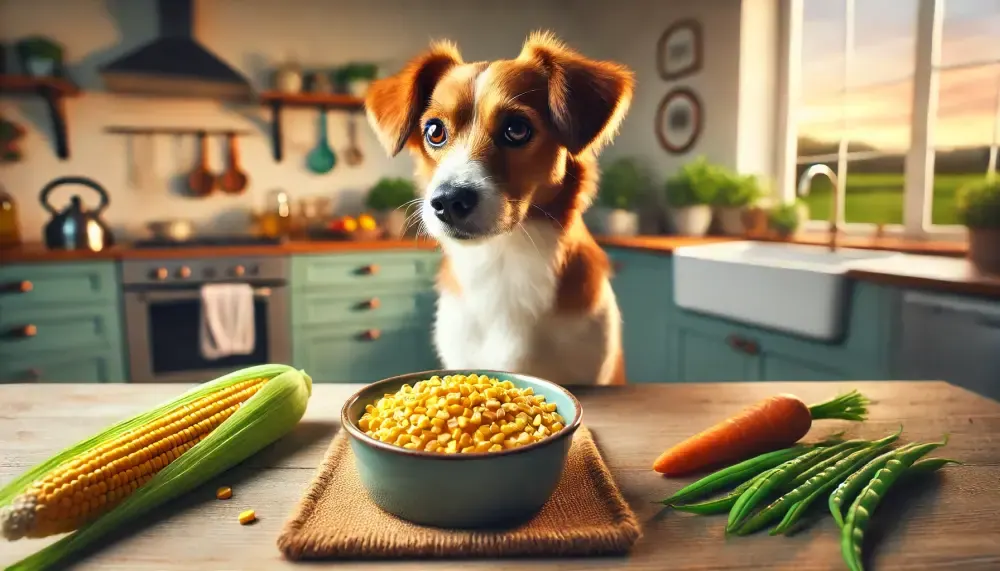
While corn nuts themselves are not recommended, plain, cooked corn kernels can be a safe treat for dogs when given in moderation. Corn is often found in dog food as a source of carbohydrates, providing energy. However, it’s important to avoid giving your dog corn on the cob, as it can pose a choking hazard or cause an intestinal blockage if swallowed.
How to Introduce Corn to Your Dog’s Diet
If you want to include corn in your dog’s diet, here are a few tips:
- Serve It Plain: Offer plain, cooked corn kernels without added salt, butter, or seasonings.
- Start with Small Portions: Introduce corn in small amounts to ensure your dog doesn’t have an allergic reaction or digestive issues.
- Avoid Corn on the Cob: Never give your dog corn on the cob, as it can be a choking hazard and may cause blockages in the intestines.
Corn nuts are not a suitable snack for dogs due to their high salt, fat content, and hard texture, which can pose health risks such as gastrointestinal distress, choking, and even pancreatitis. While plain, cooked corn can be safely given to your dog in moderation, corn nuts should be kept out of reach.
Always prioritize healthier snack options that are specifically designed for dogs or offer safe, natural treats like vegetables and fruits. If you ever have doubts about what’s safe for your dog, consult your veterinarian for guidance.
By choosing the right snacks, you can keep your furry friend happy, healthy, and safe from potential health issues.


