Can Dogs Have Canola Oil? Not as a Daily Kitchen Supplement
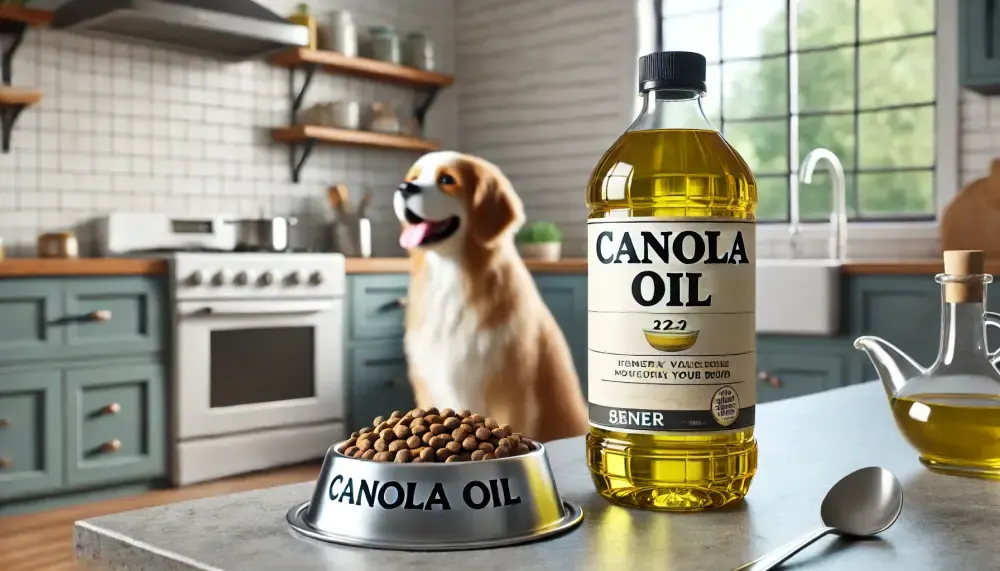
Dogs do not need a daily pour of canola oil added to an already complete food. Canola oil is a fat. A tiny amount in a homemade treat or in a formulated recipe is a different thing from supplementing “for coat health” with kitchen oil. Extra fat adds calories and can cause loose stool or, in some dogs, pancreatitis. Do not use oil as a treatment for dry skin, arthritis, or a dull coat, and do not follow a teaspoon-per-size chart from a blog. If you think your dog needs more fat in the diet, ask your veterinarian first.
If you are unsure whether a food is safe, the ASPCA’s list of people foods to avoid feeding pets is a reliable starting point, and a veterinarian or poison-control professional should be called if a pet already ate something questionable.
Complete commercial foods already include fats in amounts the formula is built around. See top dog food brands or wet vs dry dog food guide if you are choosing a main diet, and use a best dog food toppers only if it still fits the day’s calories. A search for cold-pressed canola oil is included only because that is the product people ask about, not because it is a recommended daily supplement.
As an Amazon Associate, we earn from qualifying purchases.
When oil shows up in a diet
A veterinary nutritionist may include a measured oil in a formulated homemade recipe. That measured amount is part of a complete plan. Informal “add a teaspoon to the kibble” advice is not the same thing. Dogs that are overweight, have a history of pancreatitis, or are on a medical diet should not get extra oil unless their veterinarian agrees.
What to do instead for skin or coat
Persistent dry skin or a poor coat needs a diagnosis: parasites, allergies, diet quality, or another medical issue. An omega-3 plan, if one is appropriate, should come from your veterinarian, not from a random kitchen oil.


