Can Dogs Eat Shrimp?
If you are unsure whether a food is safe, the ASPCA’s list of people foods to avoid feeding pets is a reliable starting point, and a veterinarian or poison-control professional should be called if a pet already ate something questionable.
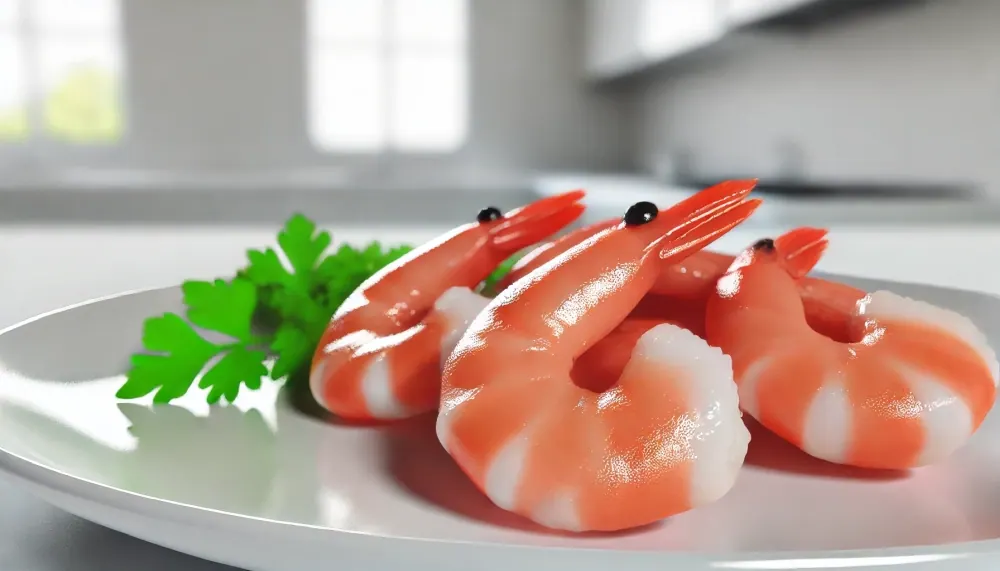
Dogs can often get curious about human food, and shrimp is no exception. Many pet owners wonder if shrimp is a safe treat for dogs. The good news is, in moderation and when prepared properly, shrimp can be a healthy and enjoyable snack for dogs. However, there are some considerations to keep in mind to ensure your dog remains safe while enjoying this seafood delicacy. In this article, we will explore the benefits and potential risks of feeding shrimp to your dog, along with how to properly prepare it.
Nutritional Benefits of Shrimp for Dogs
Shrimp is packed with beneficial nutrients that can be helpful to dogs when served correctly. Here are some of the key nutritional benefits:
- High Protein Content: Shrimp is an excellent source of lean protein, which is essential for maintaining healthy muscles and supporting your dog’s overall growth and development. Protein is especially important for active dogs that need a lot of energy and strength.
- Omega-3 Fatty Acids: Shrimp is rich in omega-3 fatty acids, which are known to promote heart health, reduce inflammation, and support a shiny, healthy coat. These fatty acids can also help improve cognitive function in dogs, making shrimp a brain-boosting snack.
- Vitamins and Minerals: Shrimp contains essential vitamins like vitamin B12, which supports your dog’s nervous system and promotes healthy red blood cells. It’s also a good source of phosphorus, which is important for strong bones and teeth.
- Antioxidants: Shrimp has antioxidants like selenium that help combat free radicals in the body. This can help protect your dog from cellular damage and reduce the risk of certain diseases.
Potential Risks of Feeding Shrimp to Dogs
While shrimp can offer several health benefits, there are some risks to be aware of:
- Raw Shrimp: Feeding your dog raw or undercooked shrimp is dangerous and can lead to bacterial infections such as salmonella or listeria. Always ensure the shrimp is thoroughly cooked before offering it to your dog.
- Shell and Tails: The hard shell and tails of shrimp pose a choking hazard and can cause intestinal blockages or injuries. Be sure to remove these parts before serving shrimp to your dog.
- Seasoning and Additives: Avoid giving your dog shrimp that has been seasoned or fried. Spices, butter, oils, and breading can upset your dog’s digestive system and even be toxic in some cases (like garlic and onion powder). Stick to plain, boiled, or grilled shrimp without any additives.
- Cholesterol Content: While shrimp is low in fat, it is relatively high in cholesterol. Feeding large amounts of shrimp to your dog regularly could contribute to high cholesterol levels, which might negatively impact their heart health over time.
How to Safely Prepare Shrimp for Your Dog
To ensure your dog can safely enjoy shrimp, follow these preparation tips:
- Cook Thoroughly: As mentioned earlier, always cook shrimp before serving it to your dog. Boiling or steaming shrimp is the best method as it ensures the shrimp is plain and free from unhealthy fats and additives.
- Remove Shell, Tail, and Vein: Peel off the shrimp shell and tail, and devein the shrimp. The shell and tail can be dangerous for dogs to consume, and the vein (which is actually the shrimp’s digestive tract) can sometimes contain harmful bacteria.
- Cut into Small Pieces: If your dog is on the smaller side or prone to gulping food, cut the shrimp into small, bite-sized pieces to avoid choking hazards.
- Serve in Moderation: Shrimp should be an occasional treat, not a regular part of your dog’s diet. Stick to small portions (1-2 shrimp at a time, depending on your dog’s size) and make sure it does not replace your dog’s regular, balanced meals.
Signs of Shrimp Allergy in Dogs
Like humans, some dogs may have allergic reactions to shrimp. Keep an eye out for these signs if you’re offering shrimp to your dog for the first time:
- Itching or scratching
- Swelling, especially around the face, paws, or ears
- Difficulty breathing
- Vomiting or diarrhea
- Red, inflamed skin
If your dog shows any of these symptoms after eating shrimp, it’s best to consult your veterinarian immediately. They can recommend whether shrimp should be avoided in the future and provide any necessary treatments for the allergic reaction.
Should Shrimp Be Part of Your Dog’s Diet?
Shrimp can be a healthy and tasty treat for dogs when prepared properly. However, it should only be served in moderation, as part of a balanced diet. Dogs primarily thrive on high-quality commercial dog food or a veterinarian-approved homemade diet. While shrimp offers some valuable nutrients, it should not replace the essential nutrients provided by their daily meals.
If your dog enjoys shrimp and shows no adverse reactions, there’s no harm in offering it occasionally as a special snack. Just remember to prepare it safely, avoid harmful seasonings, and watch for any signs of an allergic reaction.
Yes, dogs can eat shrimp — but only when it’s cooked and prepared correctly. Shrimp offers several health benefits, such as being a good source of protein, omega-3 fatty acids, and vitamins. However, due to potential risks like choking hazards and allergies, shrimp should be introduced to your dog’s diet cautiously and in moderation.
When it comes to feeding your dog shrimp, always ensure it’s plain, cooked, and served in small, manageable pieces. And if you’re ever in doubt, consult your veterinarian to make sure shrimp is a safe addition to your dog’s diet.
By following these guidelines, your dog can safely enjoy shrimp as an occasional treat, benefiting from its nutritional content without the risks.


