Can Dogs Eat Popcorn? Only Plain, Air-Popped Pieces
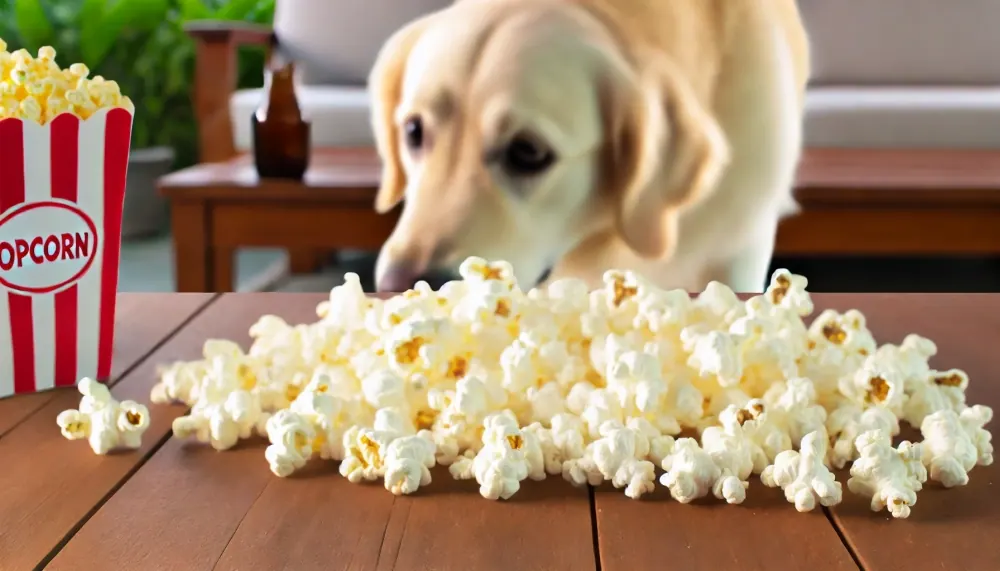
Plain, air-popped popcorn can be an occasional treat for most healthy dogs if you serve only the fully popped kernels, in a small handful, and skip the toppings. Butter, oil, salt, caramel, chocolate, and seasoning blends make it a poor snack. Unpopped or half-popped kernels are a choking and tooth risk. Some flavored popcorns or nearby candies may contain xylitol; those are never safe.
If you are unsure whether a food is safe, the ASPCA’s list of people foods to avoid feeding pets is a reliable starting point, and a veterinarian or poison-control professional should be called if a pet already ate something questionable.
If you are comparing this with other extras, we also have a guide on Can Dogs Eat Cumin? Only a Trace, and Not as a Supplement.
Popcorn is still just a starchy extra, not a training staple. A measured best training treats is usually easier to portion. Keep meals as a complete dog food; see top dog food brands if you are choosing the main bowl.
Popcorn is a beloved snack for many of us, whether enjoyed during movie nights or as a light bite between meals. But when those puppy eyes lock onto you while you’re munching on popcorn, the big question arises: Can dogs eat popcorn?
Popcorn in its plain and air-popped form is generally safe for dogs, but certain precautions should be taken. Not all popcorn is created equal, and some types can pose health risks for your furry companion. Let’s break down what you need to know about feeding popcorn to your dog.
The Nutritional Value of Popcorn
Popcorn itself, without any added salt, butter, or seasoning, is a whole grain snack low in calories and fat. It contains some fiber, vitamins like B vitamins, and minerals such as magnesium. For humans, it’s often considered a relatively healthy snack, especially when air-popped.
For dogs, however, popcorn doesn’t offer significant nutritional benefits. While it’s not harmful in small quantities, it’s also not a food you should consider as part of your dog’s regular diet. Dogs require more protein, healthy fats, and vitamins than what popcorn can provide. Nevertheless, in moderation, plain popcorn can be a fun and light snack for your dog.
Safe Popcorn for Dogs
Plain, air-popped popcorn without any seasoning is the only form of popcorn that’s safe for dogs to eat. The air-popping process makes it a light, crunchy snack, and when given in small amounts, your dog can enjoy it safely. Here are a few tips for offering popcorn as a snack:
- Serve plain popcorn: Avoid adding butter, salt, or any seasonings, as these can upset your dog’s stomach.
- Offer only fully popped kernels: Unpopped or partially popped kernels are hard and can become choking hazards or cause damage to your dog’s teeth.
- Keep portions small: While popcorn is not toxic, it should be offered in moderation. Too much popcorn can lead to digestive issues.
Popcorn to Avoid
While plain popcorn is safe in small amounts, flavored or heavily seasoned popcorn should be avoided. Here are types of popcorn that pose risks to your dog:
- Butter or oil-covered popcorn: The fats in butter and oil can lead to gastrointestinal issues, including diarrhea or vomiting. Consuming fatty snacks over time may also contribute to obesity or pancreatitis, a painful inflammation of the pancreas in dogs.
- Salted popcorn: Too much salt is dangerous for dogs. It can lead to excessive thirst, dehydration, or even sodium ion poisoning in extreme cases. Signs of salt poisoning in dogs include vomiting, diarrhea, tremors, and seizures.
- Flavored popcorn (like caramel or cheese): These types of popcorn are loaded with artificial flavorings, sugars, and preservatives, which can harm your dog’s digestive system. Sugary popcorn can contribute to weight gain and other health problems, while cheese-flavored options can contain high amounts of unhealthy fats and salts.
- Microwave popcorn: Microwave popcorn often contains artificial flavorings, preservatives, and a large amount of fat and salt. Many brands also coat the packaging with chemicals like perfluorooctanoic acid (PFOA), which may be harmful to both humans and animals when ingested in large amounts over time.
Potential Risks of Popcorn for Dogs
Even when served plain, popcorn can present some risks for dogs. Here are some things to keep in mind:
- Choking hazard: Unpopped or partially popped kernels are hard and could get stuck in your dog’s throat, posing a choking risk, especially in small dogs.
- Upset stomach: While a few kernels of plain popcorn are unlikely to harm your dog, offering too much may cause digestive problems, such as diarrhea or bloating.
- Weight gain: Feeding your dog too many snacks, even low-calorie ones like popcorn, can contribute to weight gain if not carefully monitored. Maintaining your dog’s healthy weight is critical for their overall well-being.
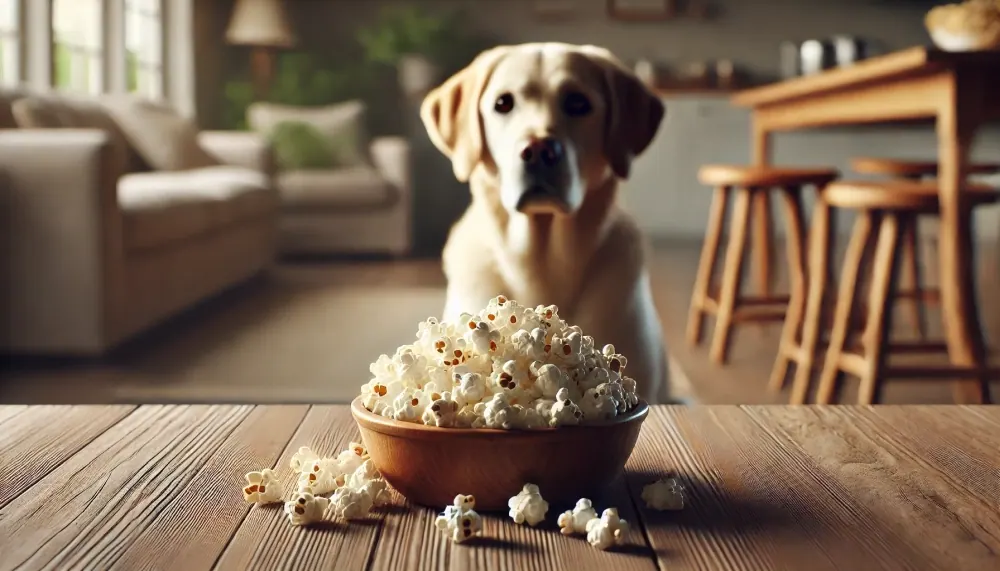
How to Safely Serve Popcorn to Your Dog
If you decide to give your dog popcorn, follow these safety guidelines to ensure it remains a fun and harmless treat:
- Pop it yourself: Air-pop the popcorn at home, and don’t add any butter, oil, or seasoning. This way, you’ll have complete control over the ingredients.
- Remove unpopped kernels: Always ensure that the popcorn is fully popped before giving it to your dog. The unpopped kernels can break teeth or pose a choking hazard.
- Offer as an occasional treat: Popcorn should never replace a balanced meal or become a regular snack. A few pieces here and there, particularly during a movie night, can be a nice occasional treat for your dog.
- Monitor your dog: If your dog has never had popcorn before, watch them closely after feeding to ensure they don’t have an adverse reaction. Some dogs may have sensitive stomachs and can experience bloating or discomfort after trying new foods.
Alternatives to Popcorn for Dogs
While popcorn can be a safe snack in moderation, there are plenty of other healthier, dog-friendly alternatives. Consider offering these treats instead:
- Carrot sticks: Crunchy and low in calories, carrots are a great snack for dogs and are packed with vitamins.
- Apple slices (without seeds): Apples offer a sweet and crunchy treat that’s rich in fiber and vitamins.
- Plain pumpkin: Pumpkin is beneficial for digestion and can be served as a pureed or baked snack.
- Green beans: Low in calories and high in fiber, green beans make an excellent, crunchy snack for dogs.
In short, dogs can eat popcorn, but it’s important to make sure it’s plain, fully popped, and served in moderation. Always avoid adding butter, salt, or seasonings, as these can lead to health issues. While popcorn doesn’t offer substantial nutritional value for dogs, it can be a fun and harmless treat when prepared safely. As with any new snack, monitor your dog for any signs of discomfort and always prioritize healthier alternatives when it comes to your dog’s diet.
By keeping these guidelines in mind, you and your furry friend can enjoy a fun and safe movie night snack together!


