Can Dogs Eat Pears? Yes, if You Remove the Seeds
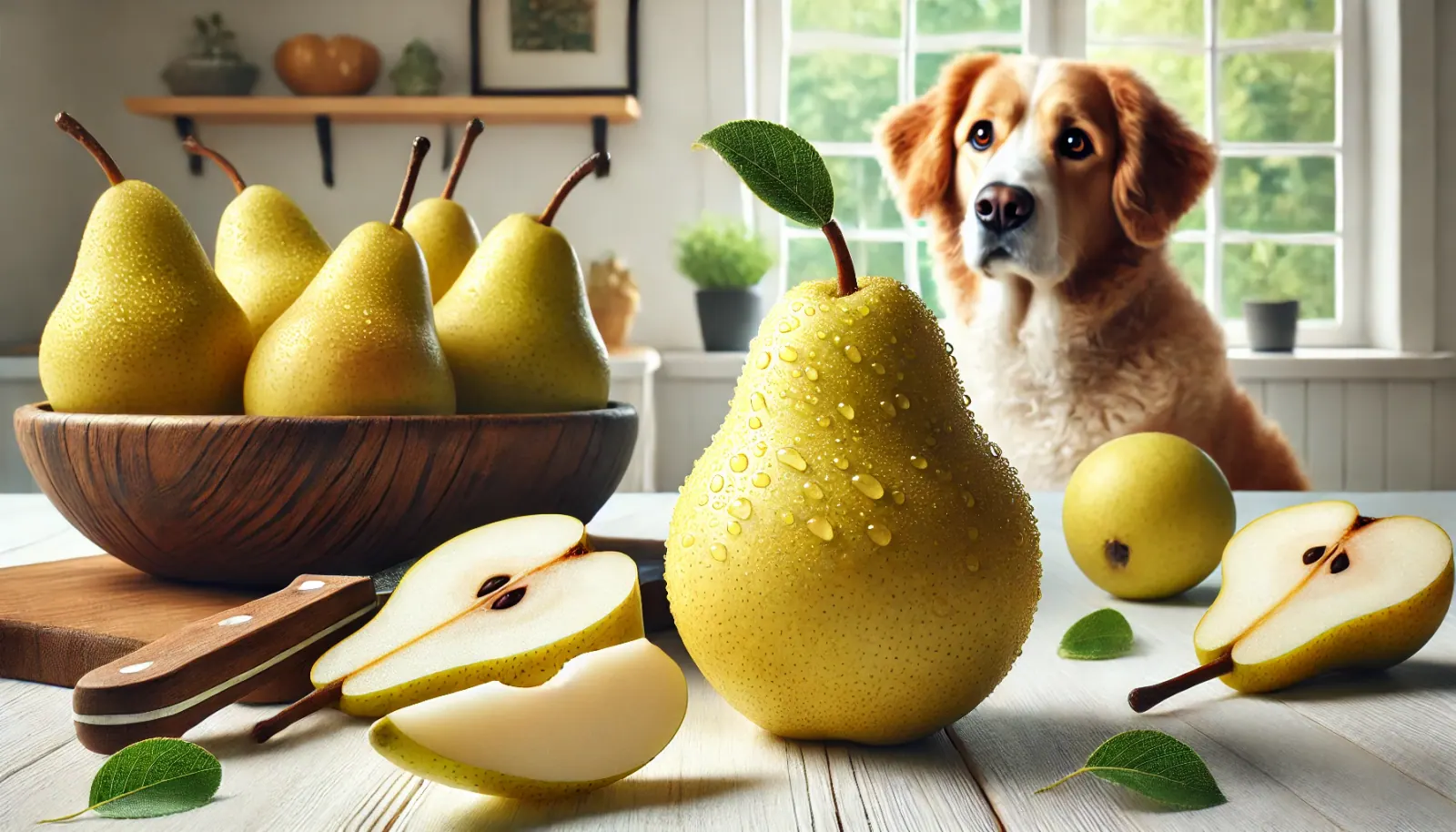
Yes, most dogs can eat a little ripe pear flesh. Remove the core, stem, and seeds first, and cut the fruit into bite-size pieces. Pear seeds and the core are not a good snack: the seeds contain trace amounts of cyanide compounds, and chunks of core can be a choking hazard. Skip canned pears in syrup, and skip any dessert that adds sugar, spices, or xylitol.
If you are unsure whether a food is safe, the ASPCA’s list of people foods to avoid feeding pets is a reliable starting point, and a veterinarian or poison-control professional should be called if a pet already ate something questionable.
Pear is still a treat, not a vitamin supplement. If you want a more predictable reward, use a measured best training treats and keep fruit occasional. Dogs that need a strict diet, or that have a sensitive stomach, should stick to food approved by their veterinarian. For the everyday bowl, see top dog food brands or best dog food toppers rather than adding more fruit.
If you’ve ever wondered whether it’s safe to share your pear with your dog, the answer is yes! Dogs can eat pears, and in moderation, they can make a tasty and healthy treat for your furry friend. However, as with any new food, it’s important to understand the benefits, risks, and proper ways to serve pears to your dog to ensure their health and well-being.
How to Safely Serve Pears to Your Dog
While pears are safe for dogs to eat, it’s important to follow a few guidelines when serving them:
- Wash the Pear Thoroughly: Before serving any fruit, ensure that it’s washed well to remove any dirt, pesticides, or chemicals that may be harmful to your dog.
- Remove the Seeds and Core: Pear seeds contain small amounts of cyanide, which can be toxic to dogs if consumed in large quantities. Always remove the core and seeds before offering pears to your dog.
- Cut into Small Pieces: Cut the pear into bite-sized pieces to prevent choking, especially if you have a small dog. Large chunks of fruit can be difficult for dogs to chew and digest properly.
- Moderation is Key: While pears are healthy, they should only be offered as an occasional treat. Too much fruit can upset your dog’s stomach or lead to diarrhea due to the high sugar content.
Potential Risks of Feeding Pears to Dogs
Although pears can be a nutritious addition to your dog’s diet, there are a few risks to keep in mind:
- Choking Hazard: The core of a pear is tough and can be a choking hazard, especially for small dogs. Make sure to remove the core and cut the fruit into appropriate sizes.
- Gastrointestinal Upset: Some dogs may be more sensitive to fruit than others. If it’s your dog’s first time trying pears, start with a small amount to ensure they don’t experience any digestive issues like vomiting or diarrhea.
- Sugar Content: Pears contain natural sugars, and too much fruit in your dog’s diet can lead to weight gain or other health issues, especially in dogs with diabetes. Always offer pears in moderation.
Can All Dogs Eat Pears?
In general, most dogs can enjoy pears as a treat. However, if your dog has specific health conditions like diabetes or digestive sensitivities, it’s best to consult with your veterinarian before introducing any new food. Dogs with these conditions may need to avoid pears or limit their intake to very small portions.
Pear Alternatives for Dogs
If your dog doesn’t seem to enjoy pears or you’re looking for other fruits to incorporate into their diet, there are several dog-friendly fruits to consider:
- Apples: Like pears, apples are high in fiber and vitamins. Just be sure to remove the seeds and core before serving.
- Blueberries: Packed with antioxidants and low in sugar, blueberries are a great, bite-sized snack for dogs.
- Bananas: A good source of potassium and fiber, bananas can be a soft, easy-to-digest treat for dogs.
- Watermelon: Low in calories and hydrating, watermelon (without the seeds) can be a refreshing snack for dogs, especially in the summer.
How Often Can You Feed Pears to Your Dog?
Pears should be offered in moderation as part of a balanced diet. Treats, including fruits like pears, should make up no more than 10% of your dog’s daily caloric intake. The bulk of their nutrition should come from high-quality, vet-approved dog food. It’s always a good idea to rotate different treats and fruits to provide a variety of nutrients while keeping your dog excited about snack time.
Final Thoughts: Can Dogs Eat Pears?
Yes, dogs can eat pears! As long as they’re served in moderation and prepared properly (with the seeds and core removed), pears can be a healthy and refreshing treat for your dog. Packed with vitamins, fiber, and antioxidants, this fruit can support your dog’s overall health and well-being. Just remember to introduce any new food slowly and consult your vet if you’re unsure how it will affect your dog’s specific dietary needs. By understanding the benefits and risks of feeding your dog pears, you can confidently share this delicious fruit with your furry companion as an occasional treat!


