Can Dogs Eat Peanuts? Only a Few Plain, Unsalted, Shelled Ones
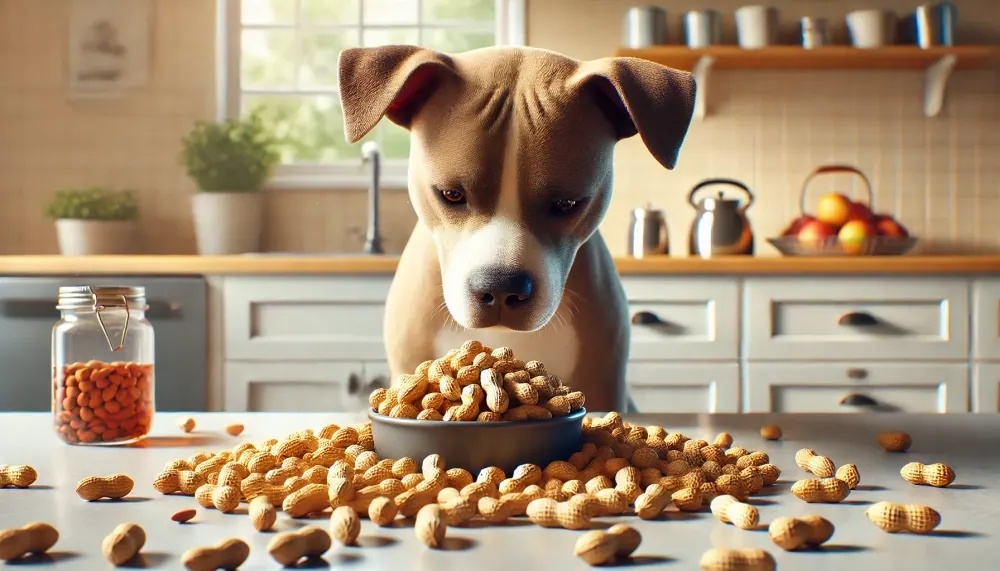
Plain, unsalted, dry-roasted or raw peanuts, with the shell removed, can be an occasional treat for most healthy dogs in a tiny amount. They are high in fat, so a handful is too much, and salted, flavored, or chocolate-coated peanuts are a poor snack. Never offer peanuts or peanut butter that may contain xylitol (birch sugar). Macadamia nuts are a different nut and are unsafe for dogs; do not assume a mixed-nut bowl is “just peanuts.” Shells are a choking and blockage risk.
If you are unsure whether a food is safe, the ASPCA’s list of people foods to avoid feeding pets is a reliable starting point, and a veterinarian or poison-control professional should be called if a pet already ate something questionable.
If you are comparing this with other extras, we also have a guide on Can Dogs Eat Cheerios? Only Plain, and Only a Few.
Peanut butter for dogs has the same xylitol rule and should stay as a smear, not a spoonful, especially in dogs prone to pancreatitis. A measured best training treats or a simple option from our best organic dog treats guide is usually easier to portion than pantry nuts. Keep meals as a complete food; see top dog food brands.
Peanuts are a popular snack enjoyed by millions of people around the world. They’re packed with protein, healthy fats, and fiber, making them a tasty and nutritious treat for humans. But can your dog safely enjoy them too? In this article, we’ll explore whether or not dogs can eat peanuts, the health benefits, potential risks, and the best way to feed them to your dog.
Are Peanuts Safe for Dogs?
The simple answer is yes, dogs can eat peanuts — but with a few important considerations. Peanuts themselves are not toxic to dogs, and in moderation, they can even be a healthy treat. However, there are some crucial factors to keep in mind when sharing this snack with your dog.
Firstly, plain, unsalted peanuts are the safest option. Salted or flavored peanuts can contain harmful ingredients like excessive sodium, which is bad for your dog’s health. Additionally, some peanuts may be roasted with oils, spices, or coatings that aren’t safe for dogs.
How to Safely Give Peanuts to Your Dog
If you decide to feed your dog peanuts, follow these simple guidelines to ensure it’s a safe and enjoyable treat:
- Choose Plain Peanuts: Always offer unsalted, unflavored peanuts without any additional oils or seasonings.
- Avoid Peanut Shells: Peanut shells can be hard for dogs to digest and may even cause gastrointestinal issues. Make sure to only give your dog shelled peanuts.
- Moderation is Key: A few peanuts every once in a while are perfectly fine, but avoid making peanuts a regular part of your dog’s diet. Overfeeding can lead to weight gain and other health issues.
- Peanut Butter Caution: While peanut butter can be a fun treat for dogs, always check the ingredients. Some peanut butters contain xylitol, an artificial sweetener that is highly toxic to dogs. Only give your dog peanut butter that is xylitol-free and low in added sugars or salts.
What to Do If Your Dog Eats Too Many Peanuts
If your dog accidentally consumes a large quantity of peanuts, monitor them closely for any signs of distress. Some symptoms of overeating peanuts include:
- Vomiting
- Diarrhea
- Lethargy
- Abdominal pain
In cases where your dog shows these symptoms, it’s best to contact your veterinarian for guidance. They may suggest bringing your dog in for an examination or monitoring them at home depending on the severity of the situation.
Alternatives to Peanuts for Dogs
If you’re concerned about giving your dog peanuts, there are plenty of other healthy treats you can offer. Some great alternatives include:
- Carrots: Low in calories and high in fiber, carrots are an excellent crunchy snack for dogs.
- Apple slices: Apples provide fiber and vitamins, but be sure to remove the seeds, as they contain small amounts of cyanide.
- Pumpkin: Plain, cooked pumpkin is rich in fiber and great for digestive health.
- Green beans: These are low in calories and can be a nutritious, crunchy treat for dogs that love to chew.
Yes, dogs can eat peanuts — but only in moderation and under the right conditions. Make sure to stick to plain, unsalted peanuts and avoid overfeeding. Keep in mind the potential risks, especially if your dog is prone to allergies or weight gain. Peanuts can be a fun treat when offered safely, but always prioritize your dog’s overall balanced diet for the best health outcomes.
By understanding the benefits and risks of feeding your dog peanuts, you can make informed decisions that support your pet’s well-being.


