Can Dogs Eat Deli Meat? Better as a Rare, Plain Bite Than a Habit
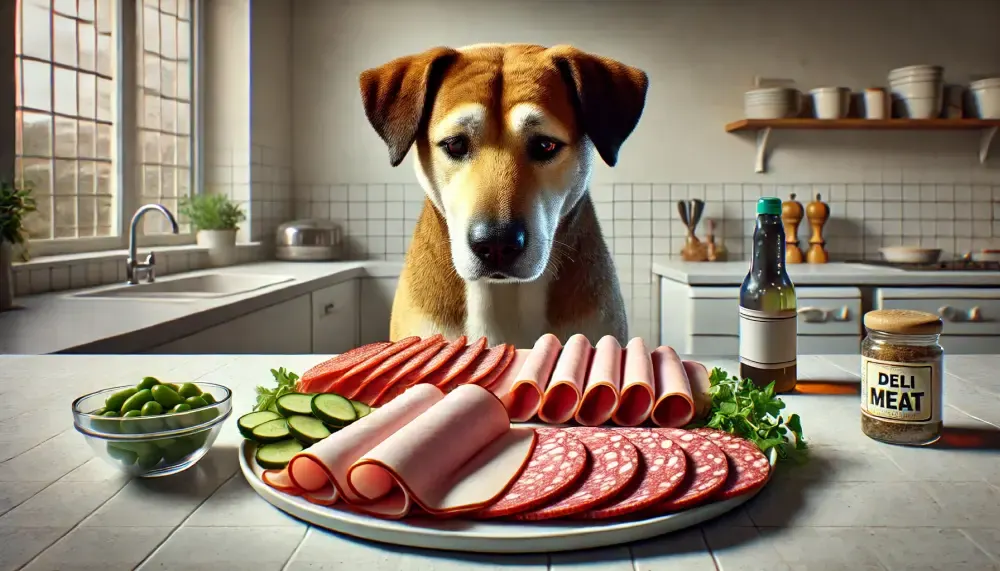
Deli meat is a poor everyday treat for dogs. It is typically high in salt and fat, and many slices are seasoned with onion, garlic, spices, or preservatives. A single plain, unseasoned sliver of turkey or chicken is unlikely to poison a large, healthy dog, but there is no good reason to make it a habit. Skip spicy meats, ham with a heavy glaze, salami, and any product that could include xylitol in a nearby food. If your dog stole a large amount, or the meat was seasoned with onion or garlic, call your veterinarian.
Better options: safe meats for dogs.
If you are unsure whether a food is safe, the ASPCA’s list of people foods to avoid feeding pets is a reliable starting point, and a veterinarian or poison-control professional should be called if a pet already ate something questionable.
A measured best training treats or a simple option from our best organic dog treats guide is a better reward than leftovers from a sandwich. Keep meals as a complete dog food; see top dog food brands if you are choosing the main bowl.
Deli meat, also known as cold cuts or sandwich meat, is a popular choice for human snacks and meals. With its convenience and variety of flavors, it might seem tempting to share a slice or two with your furry friend. But is deli meat safe for dogs? Let’s dive into the facts, examining the risks, benefits, and healthier alternatives.
Understanding Deli Meat Ingredients
Deli meats are typically made from processed meats such as turkey, ham, salami, or roast beef. These meats often contain preservatives like nitrates and nitrites, as well as high amounts of salt, seasonings, and sometimes sugar. The additives used to preserve deli meats and enhance their flavor can pose risks to dogs.
1. High Sodium Content
Most deli meats are loaded with sodium, which can be harmful to dogs. While humans can handle higher salt intake, dogs are more sensitive to excess sodium. Consuming too much can lead to salt poisoning, which may cause symptoms like excessive thirst, vomiting, diarrhea, and in severe cases, seizures or even death.
2. Nitrates and Nitrites
Nitrates and nitrites are commonly used to preserve the color and extend the shelf life of deli meats. Although these compounds are safe in small amounts for humans, they can cause problems for dogs, particularly in large quantities. Over time, consuming nitrates may contribute to cancer and other health issues in dogs.
3. Seasonings and Spices
Many deli meats are seasoned with ingredients such as garlic, onion, and black pepper. While these might enhance the flavor for humans, they can be toxic to dogs. Both garlic and onion, even in powdered form, can cause anemia by damaging your dog’s red blood cells.
Risks of Feeding Deli Meat to Dogs
While there are some advantages, the risks of feeding deli meat to dogs far outweigh the benefits. Here’s why you should exercise caution:
1. Digestive Issues
The high salt and fat content in deli meat can upset your dog’s digestive system. Even small amounts of fatty meats like salami or bologna can lead to diarrhea, stomach cramps, and discomfort.
2. Obesity and Pancreatitis
Feeding your dog fatty deli meats regularly can contribute to weight gain and obesity. Obesity increases the risk of several diseases, including diabetes and heart problems. In more serious cases, the fat in deli meats can trigger pancreatitis, an inflammation of the pancreas that causes severe pain, vomiting, and loss of appetite.
3. Increased Risk of Cancer
Long-term consumption of processed meats has been linked to cancer in both humans and animals. The nitrates and preservatives in deli meat may elevate the risk of cancer in dogs, especially if consumed frequently.
Healthier Alternatives to Deli Meat
If you’re looking for a protein-rich snack for your dog, consider these healthier alternatives:
1. Cooked, Unseasoned Meat
Lean, cooked meats like chicken, turkey, or beef are much better choices than processed deli meat. Be sure to avoid adding any seasonings, oils, or sauces that could upset your dog’s stomach.
2. Freeze-Dried Meat Treats
Freeze-dried meat treats are a fantastic alternative to deli meat. These treats are typically made from single ingredients, like beef liver or chicken breast, and contain no additives or preservatives.
3. Fresh Veggies and Fruits
Certain fruits and vegetables, such as carrots, apples, and cucumbers, can make excellent low-calorie snacks for dogs. They’re nutritious, safe, and offer a crunchy texture that many dogs love.
When Is It Safe to Give Deli Meat to Dogs?
If you’re determined to share a slice of deli meat with your dog, there are a few ways to minimize the risks:
1. Choose Plain, Low-Sodium Meat
Opt for low-sodium turkey or chicken breast with no added seasonings. Avoid meats like ham or salami, which are high in fat and sodium.
2. Cut Into Small Pieces
Cut the meat into small, bite-sized portions. This reduces the likelihood of overfeeding and helps prevent any digestive upset.
3. Offer Only Occasionally
Deli meat should be treated as a very occasional snack, not a regular part of your dog’s diet. Limit it to special occasions or emergencies when other treats aren’t available.
Is Deli Meat Safe for Dogs?
While dogs can technically eat deli meat, it’s not the healthiest option. The high sodium content, preservatives, and seasonings used in deli meats pose significant risks to your dog’s health, especially if consumed in large quantities or on a regular basis. To keep your canine companion happy and healthy, it’s best to stick to unseasoned, cooked meats or dog-specific treats.
If you ever decide to offer deli meat to your dog, do so sparingly and choose low-sodium, unseasoned varieties. But remember, there are many safer and more nutritious alternatives that can satisfy your dog’s cravings without compromising their health.


