Can Dogs Eat Cheese?
If you are unsure whether a food is safe, the ASPCA’s list of people foods to avoid feeding pets is a reliable starting point, and a veterinarian or poison-control professional should be called if a pet already ate something questionable.
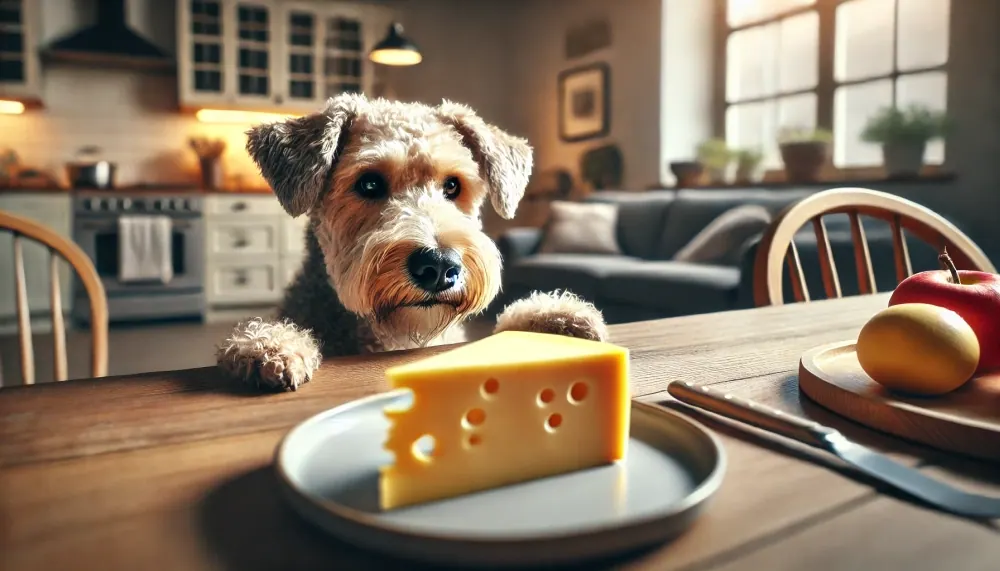
Dogs love treats, and cheese is often at the top of the list when it comes to flavorful snacks that dogs adore. Whether it’s a reward during training or an occasional indulgence, many dog owners wonder, can dogs eat cheese? The short answer is yes, but with some important considerations regarding types, amounts, and potential health impacts. Let’s explore the benefits, risks, and guidelines for feeding cheese to dogs.
Is Cheese Safe for Dogs?
Cheese is generally safe for dogs to eat in moderation. Most dogs can tolerate small amounts of cheese without any issues, and they may even benefit from some of the nutrients it provides. Cheese contains protein, calcium, vitamin A, essential fatty acids, and B-vitamins, which can support overall health in dogs.
However, not all cheeses are created equal, and some may pose risks to your dog’s health depending on their digestive system, age, or existing health conditions.
Benefits of Cheese for Dogs
Cheese can be a healthy snack when given in the right amounts. Here are some potential benefits:
- High in Protein: Cheese provides protein, which is essential for building and repairing muscle tissue.
- Rich in Calcium: Calcium is necessary for maintaining strong bones and teeth. Cheese can offer a boost of this mineral for your dog.
- Useful for Training: Because of its strong flavor and aroma, cheese makes an excellent high-value treat during training sessions.
- Source of Vitamins: Cheese contains vitamins like A and B12, which support vision, skin health, and nerve function.
- Great for Hiding Medications: If your dog is picky about taking pills, cheese can be a great way to disguise medication.
Risks of Feeding Cheese to Dogs
While cheese can be a tasty treat, it’s important to be aware of some risks. Here are potential concerns:
- Lactose Intolerance: Many dogs are lactose intolerant, meaning they cannot properly digest lactose, a sugar found in dairy products. If your dog is lactose intolerant, eating cheese may result in symptoms like gas, diarrhea, or vomiting.
- High Fat Content: Cheese is high in fat, and too much of it can lead to weight gain, obesity, or even pancreatitis—a serious and painful condition where the pancreas becomes inflamed.
- Salt Content: Some cheeses are high in sodium, which can lead to excessive thirst and urination or, in extreme cases, sodium poisoning. Processed cheeses often contain even more salt and preservatives, making them less suitable for dogs.
- Allergies: Dogs can be allergic to dairy, leading to itchy skin, ear infections, or gastrointestinal upset. If you suspect your dog has a dairy allergy, it’s best to avoid cheese altogether.
Which Cheeses Are Best for Dogs?
If you decide to treat your dog to some cheese, it’s important to choose the right type. Here are a few dog-friendly options:
- Low-Fat Cheeses: Cottage cheese or mozzarella can be good choices since they are lower in fat and lactose than other types.
- Hard Cheeses: Cheeses like cheddar are usually tolerated well in small amounts since they have less lactose compared to soft cheeses.
- Cream Cheese: As long as it’s plain and unsweetened, small amounts of cream cheese can be safe for dogs. Avoid flavored or sweetened versions that contain harmful additives like onion or garlic.
Cheeses to Avoid for Dogs
Some cheeses can pose more significant risks to your dog’s health and should be avoided:
- Blue Cheese: Contains roquefortine C, which can be toxic to dogs in large amounts and may cause vomiting, diarrhea, or even seizures.
- Cheese with Additives: Avoid any cheeses that contain added ingredients like garlic, onions, or herbs, as these can be harmful or toxic to dogs.
- High-Fat Cheeses: Cheeses like brie or camembert are very high in fat and should be avoided to prevent digestive upset or pancreatitis.
- Processed Cheese: Cheese products like American cheese, cheese spreads, or string cheese often contain artificial ingredients and high levels of salt that aren’t good for dogs.
How Much Cheese Is Safe for Dogs?
As with any treat, moderation is key. Too much cheese can quickly lead to weight gain and digestive problems. For most dogs, small pieces of cheese as an occasional treat are fine. If you are unsure how much cheese is safe for your specific dog, follow this rule of thumb:
- Limit cheese treats to 10% or less of your dog’s daily caloric intake.
- For small dogs, offer no more than a couple of small cubes or a teaspoon of cheese.
- For larger dogs, a few more cubes or up to a tablespoon is generally safe.
Signs Your Dog Shouldn’t Eat Cheese
If your dog has a history of pancreatitis, obesity, or lactose intolerance, it’s best to avoid feeding them cheese. Here are some signs that your dog may not tolerate cheese well:
- Diarrhea
- Vomiting
- Excessive gas
- Lethargy
- Abdominal pain or discomfort
If your dog exhibits any of these symptoms after eating cheese, discontinue feeding it and consult your vet.
Can dogs eat cheese? Yes, but it depends on the individual dog, the type of cheese, and how much you’re offering. For most dogs, a small amount of cheese is a delightful, high-value treat that can even provide some nutritional benefits. However, owners should remain cautious about overfeeding cheese and be mindful of their dog’s tolerance to lactose. As always, if you’re unsure whether cheese is suitable for your dog, consult your veterinarian for personalized advice.
Cheese can be a great occasional treat—just be sure to serve it in moderation and avoid varieties that are high in fat, sodium, or harmful additives.


