Can Dogs Eat Cantaloupe? Yes, Small Cubes of Ripe Flesh
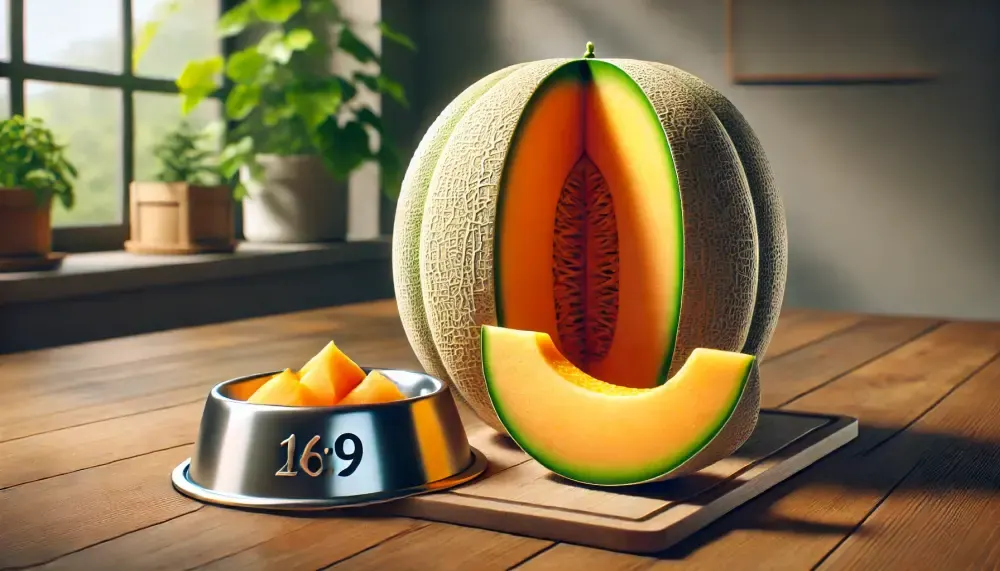
Ripe cantaloupe flesh can be an occasional treat for most healthy dogs if you serve it plain, in small cubes, with the rind and seeds removed. The fruit is mostly water and natural sugar, so a large pile can loosen stool. Skip cantaloupe desserts, sugary melon salads, and any dish with xylitol. The rind is tough and is a choking or blockage risk; throw it away rather than offering it as a chew.
If you are unsure whether a food is safe, the ASPCA’s list of people foods to avoid feeding pets is a reliable starting point, and a veterinarian or poison-control professional should be called if a pet already ate something questionable.
If you are comparing this with other extras, we also have a guide on Can Dogs Eat Mushrooms?.
Cantaloupe is not a vitamin supplement or a hydration plan. A measured best training treats is usually a more predictable reward. Keep the everyday diet a complete food; see top dog food brands or best dog food toppers.
If you’re a dog owner wondering about adding more variety to your pet’s diet, cantaloupe might have crossed your mind. With its juicy sweetness, this popular summer melon seems like a great treat, but is it safe for dogs? The answer is yes – dogs can safely enjoy cantaloupe in moderation. This guide will explore the benefits, potential risks, and tips for safely feeding cantaloupe to your dog.
How to Safely Feed Cantaloupe to Your Dog
To ensure a safe and enjoyable experience, here are some guidelines for serving cantaloupe to your furry friend:
1. Remove the Rind and Seeds
Before serving cantaloupe, thoroughly wash the melon, and remove the rind and seeds. The rind is tough and can be difficult for dogs to digest, while the seeds may pose a choking risk.
2. Cut into Bite-Sized Pieces
Slice the cantaloupe into small, bite-sized pieces that are easy for your dog to chew and swallow. This reduces the risk of choking, especially for smaller dogs.
3. Offer in Moderation
Although cantaloupe is nutritious, it should only be given in moderation. A few small pieces are usually sufficient for a medium-sized dog. Keep in mind that treats, including cantaloupe, should make up no more than 10% of your dog’s daily calorie intake to avoid disrupting their balanced diet.
4. Avoid Cantaloupe-Flavored Products
Stick to fresh cantaloupe rather than canned or flavored varieties, which may contain added sugars or artificial ingredients that are harmful to dogs.
When Not to Feed Cantaloupe to Your Dog
In certain cases, cantaloupe might not be the best choice for your pet. Here are a few scenarios where you may want to avoid it:
1. Dogs with Diabetes or Obesity
Due to its sugar content, cantaloupe may not be suitable for dogs with diabetes or those struggling with obesity. Excessive sugar can elevate blood glucose levels and contribute to weight gain, which can worsen these conditions.
2. Dogs with Sensitive Stomachs
For dogs with sensitive digestion, cantaloupe might lead to an upset stomach, particularly if they’re not used to it. Start with a very small piece and observe your dog’s reaction before offering more.
3. Dogs with Allergies
If your dog has known food allergies, consult your veterinarian before introducing cantaloupe. Although rare, allergies to cantaloupe are possible, and it’s better to be cautious.